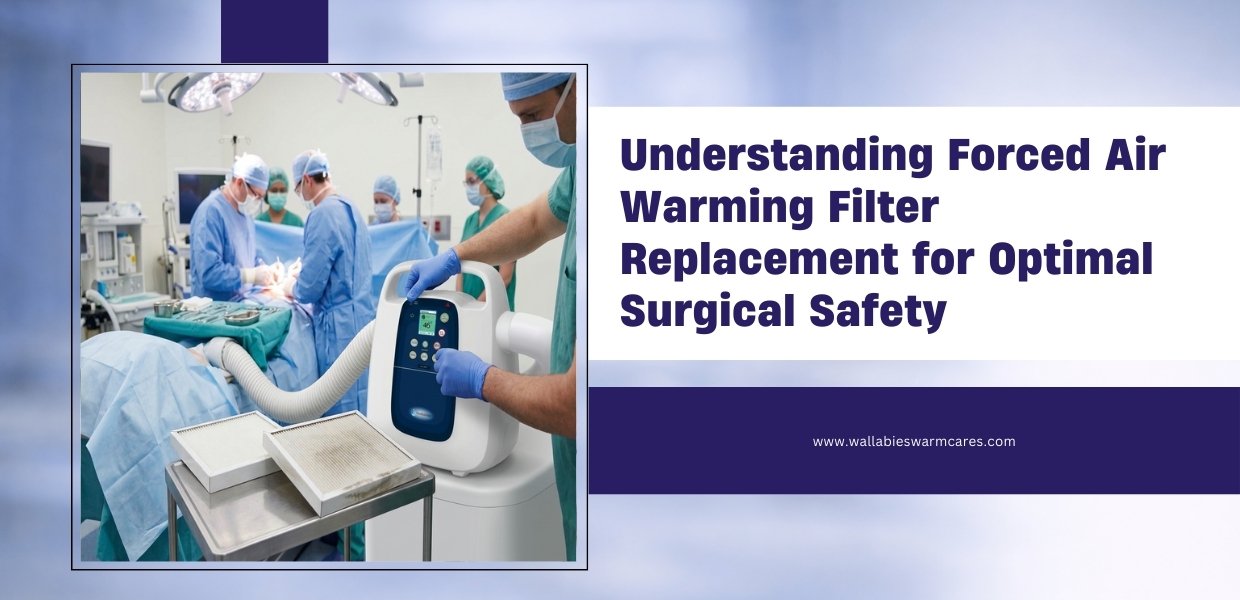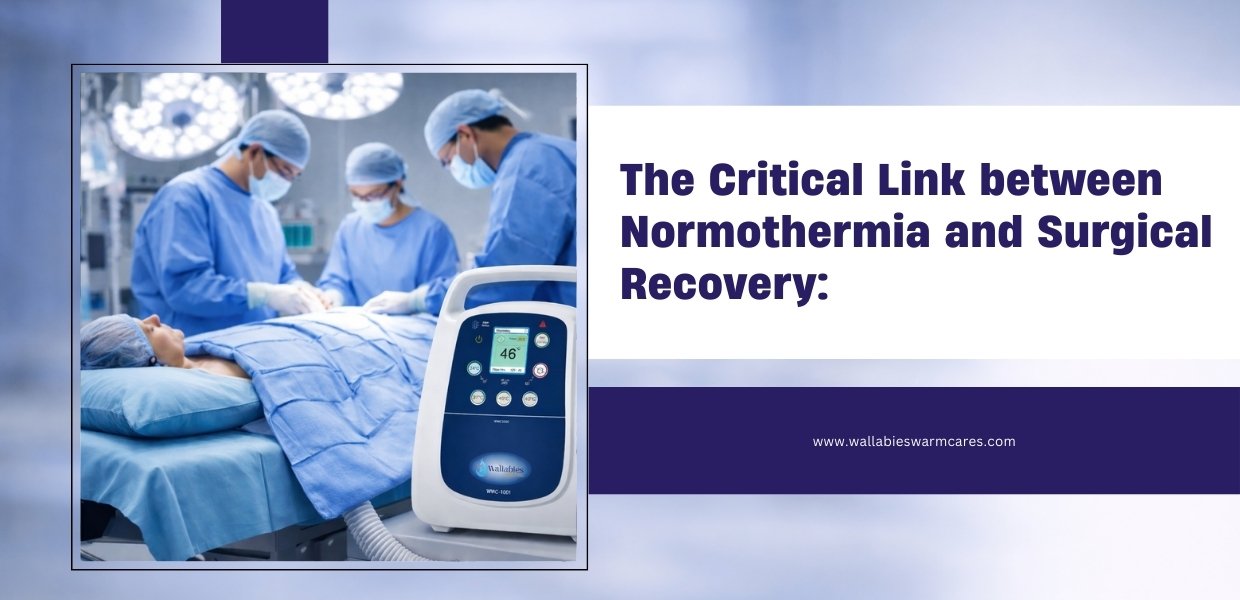
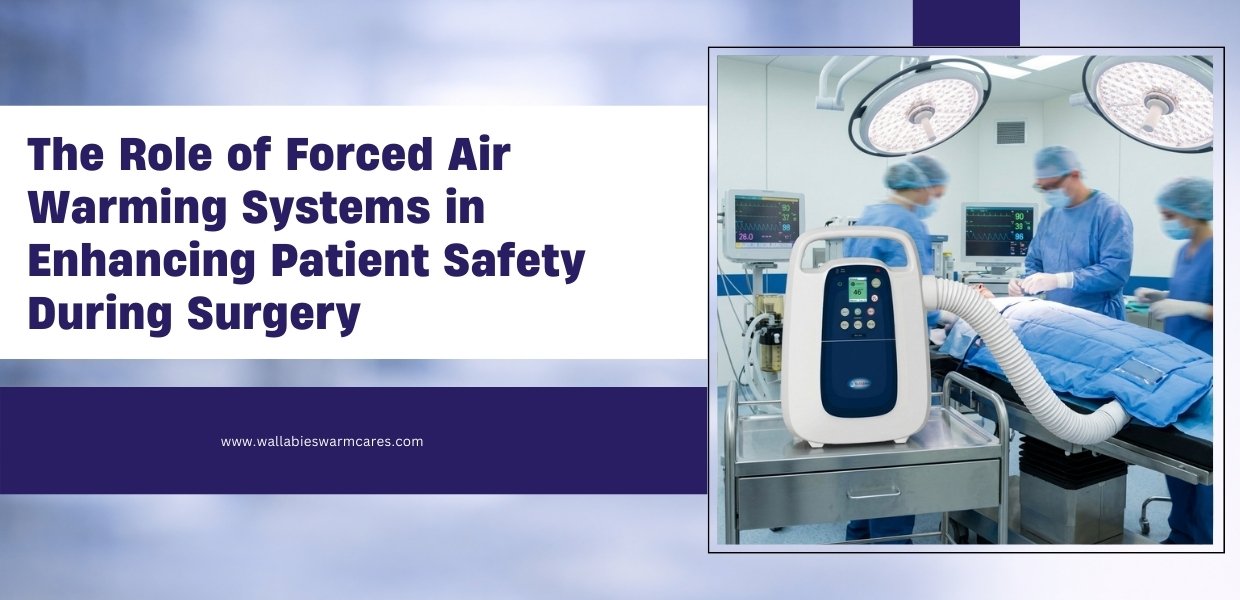
What if a simple change in surgical protocols could significantly reduce patient hypothermia and enhance recovery? Surgical patients are at risk of hypothermia during operations, which can lead to complications such as extended recovery times and increased morbidity. By implementing forced air warming systems, healthcare professionals can effectively combat these risks and improve overall patient outcomes. This article discusses the effectiveness of forced air warming systems compared to traditional heating methods and how they enhance patient safety during surgery.
Comparative Effectiveness of Forced Air Warming Systems and Traditional Methods
Evaluating the effectiveness of forced air warming systems against traditional methods reveals significant differences in patient comfort and safety.
Traditional Heating Methods Explained
Traditional warming approaches, such as warming blankets and heating lamps, have been used in surgical settings for decades. Warming blankets typically rely on heated surfaces to transfer warmth directly to the patient, while heating lamps depend on radiant heat. However, these methods have inherent risks. Studies indicate that warming blankets might cause burns or skin irritation, particularly if left on for extended periods. Furthermore, they may not effectively maintain core body temperature, leaving patients vulnerable to hypothermia during prolonged surgeries. According to the evidence reported by OHSU, traditional heating methods can vary widely in effectiveness and may even exacerbate hypothermia in certain patients.
Benefits of Forced Air Warming Systems
In contrast, forced air warming systems present numerous benefits that significantly mitigate the risks associated with traditional methods. Designed to blow warm air through specially created blankets, these systems provide uniform heat distribution, which is crucial for maintaining a stable core temperature. Research shows substantial reductions in hypothermia rates among patients when utilizing forced air warming, leading to faster recovery times and increased patient satisfaction.
In a controlled trial referenced by the National Institutes of Health, patients receiving forced air warming demonstrated a marked decrease in postoperative complications compared to those warmed using traditional techniques. This evidence demonstrates the clear advantage of forced air systems, making them an essential addition to modern surgical protocols.
Understanding the Mechanisms Behind Forced Air Warming
Understanding how forced air warming systems operate reveals their pivotal role in ensuring patient safety during surgical procedures.
The Science Behind Forced Air Heating
Forced air warming systems function through heat transfer principles that rely on convection as the primary mechanism for warming patients. Warm air is blown through the blankets, which envelop the patient and create a thermal barrier. This method of thermal regulation efficiently maintains normothermia, preventing the drop in core body temperature often seen during surgery.
Scientific studies highlight the efficiency of forced air warming systems. For instance, a review from NIH details how these devices maintain temperatures far superior to traditional methods, further affirming their status as a gold standard in patient warming protocols (source).
Patient Safety Advantages
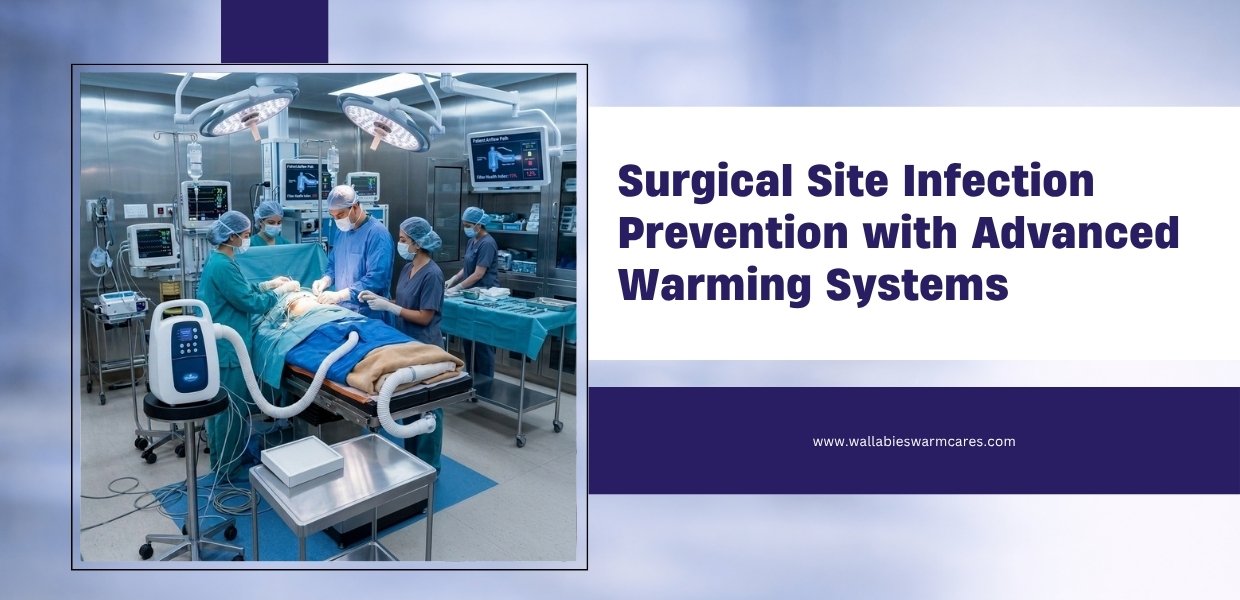
The use of forced air warming systems leads to considerable benefits in terms of patient safety. By preventing hypothermia, these systems reduce the likelihood of surgical site infections, lengthier recovery periods, and potential complications associated with anesthesia. Many healthcare practitioners have reported that the consistent warmth provided by forced air systems helps enhance not just physiological outcomes but also the emotional comfort of patients undergoing surgery.
Such testimonials underscore the advantages of switching to forced air warming, creating a positive feedback loop of enhanced patient care and satisfaction.
Addressing Common Concerns and Misconceptions
Despite their proven benefits, concerns about safety and efficacy persist among healthcare providers regarding forced air warming.
Common Safety Risks in Traditional Warming Methods
Traditional warming methods come with their share of concerns. Studies have indicated that heating blankets can create risks of overheating and burns, particularly in sensitive populations such as the elderly or those with compromised skin integrity. Furthermore, these methods may cause inconsistencies in temperatures across the patient’s body, contributing to chilly extremities or thermal discomfort during surgery.
Debunking Myths About Forced Air Warming Systems
There are numerous misconceptions surrounding forced air warming systems. One prevalent myth is that these systems can cause overheating, leading to hyperthermia in patients. However, evidence suggests that forced air warming provides controlled, consistent temperatures that effectively maintain core warmth without the risks associated with overheating. The CDC guidelines emphasize the safe application of thermal management systems, mitigating concerns raised by skeptics.
It’s essential for healthcare providers to differentiate fact from fiction, as informed decisions can significantly impact surgical outcomes.
Current Challenges in the Patient Warming Market
The patient warming sector faces various challenges that impact the adoption and operational efficiency of warming technologies like forced air systems.
Identifying Market Gaps
Current market analysis reveals gaps in available technologies that can adequately address patient safety and comfort needs. Many existing warming systems either lack efficacy or introduce risks that can compromise patient care. Reports indicate that healthcare facilities frequently encounter difficulties in procuring reliable, high-quality patient warming devices, which can hinder their ability to ensure optimal patient outcomes.
Emerging Solutions and Innovations
In response to these challenges, manufacturers of forced air warming technologies are continually introducing innovations. Recent models now feature advanced smart monitoring systems that track patient temperature in real-time, promoting enhanced safety protocols during surgical procedures. The findings of a systematic review by Virginia Commonwealth University showcase how new technologies in patient warming are leading to improved safety and outcomes for patients, positioning forced air warming systems as the frontrunners in this evolving field.
Safety Considerations and Best Practices
Implementing forced air warming technologies comes with best practices that healthcare professionals must adhere to for optimal utilization.
Key Safety Protocols
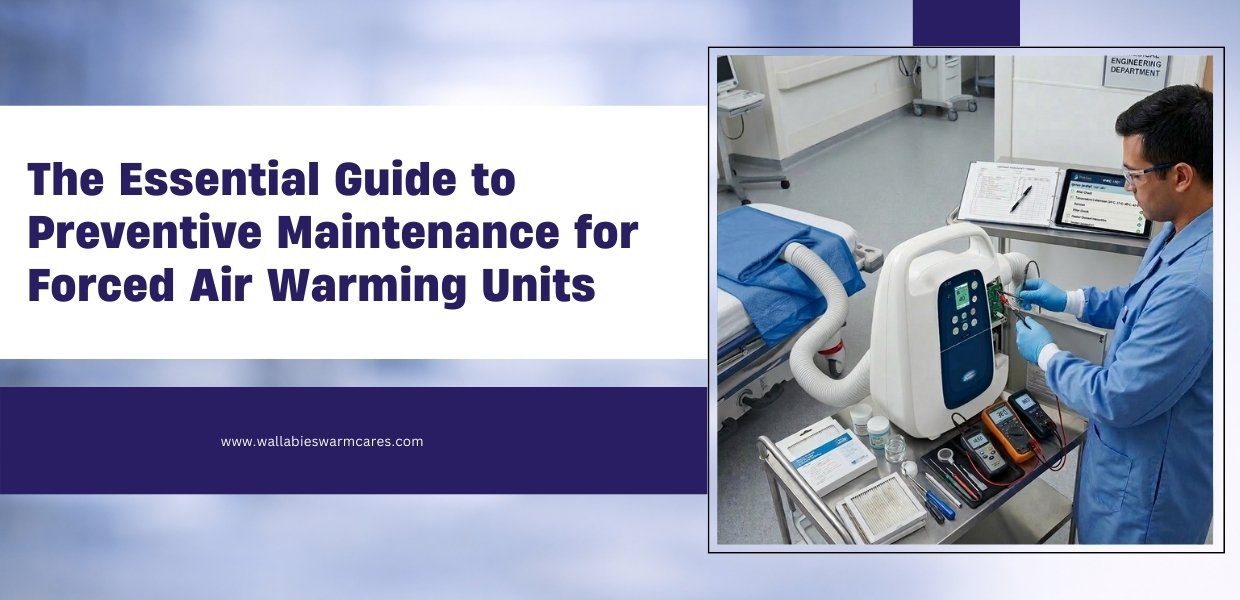
To maximize the benefits of forced air warming systems, it is vital to follow established safety protocols for surgery. This includes regular maintenance of the equipment, monitoring patient temperatures continuously, and ensuring proper blanket fitting to avoid cold areas.
Implementation Guidelines for Healthcare Facilities
Healthcare facilities looking to integrate forced air warming should consider developing a checklist outlining necessary steps. This may encompass staff training sessions, detailed equipment reviews, and access to comprehensive documentation on best practices. Proper implementation ensures that the technology operates at its fullest potential, addressing both patient safety and comfort.
Experts recommend referencing relevant resources such as Wallabies Warm Care’s patient warming machine guide for further guidance.
Frequently Asked Questions
Q: How do forced air warming systems work?
Forced air warming systems deliver heated air through specially designed blankets to maintain core body temperature. They are proven to mitigate the risk of hypothermia during surgeries.
Q: Are there any safety risks associated with forced air warming systems?
While there are concerns, studies have shown that forced air warming systems are generally safe when used correctly and can significantly reduce the risk of hypothermia.
Q: What are the benefits of switching to forced air warming systems?
The primary benefits include reduced hypothermia risk, faster recovery times, and improved patient satisfaction based on recent studies.
Q: What are common misconceptions about forced air warming?
Many fear that they can overheat patients; however, studies show that forced air systems provide controlled, safe temperatures that actually help maintain core warmth.
Q: How do I implement forced air warming in my facility?
Begin by reviewing equipment needs, staff training, and protocols to ensure proper usage. Guidance can be found in common industry resources.
Conclusion
Forced air warming systems stand out as effective solutions for enhancing patient safety during surgical procedures. Their advantages extend beyond preventing hypothermia to improving overall recovery experiences, as evidenced by substantial data and patient testimonials. Implementing established best practices can further optimize patient care, ensuring healthcare facilities prioritize both safety and efficiency.
For more information on patient warming solutions and to explore our range of products, visit Wallabies Warm Care. We believe that safety and efficiency in surgical procedures start with the right patient warming technology.