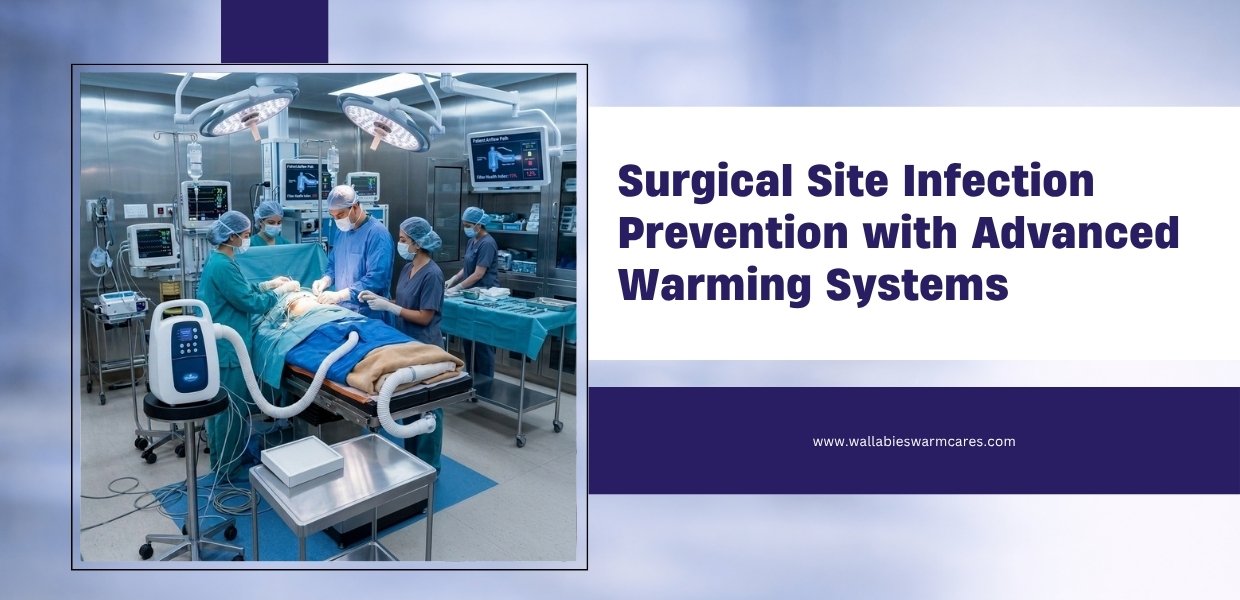
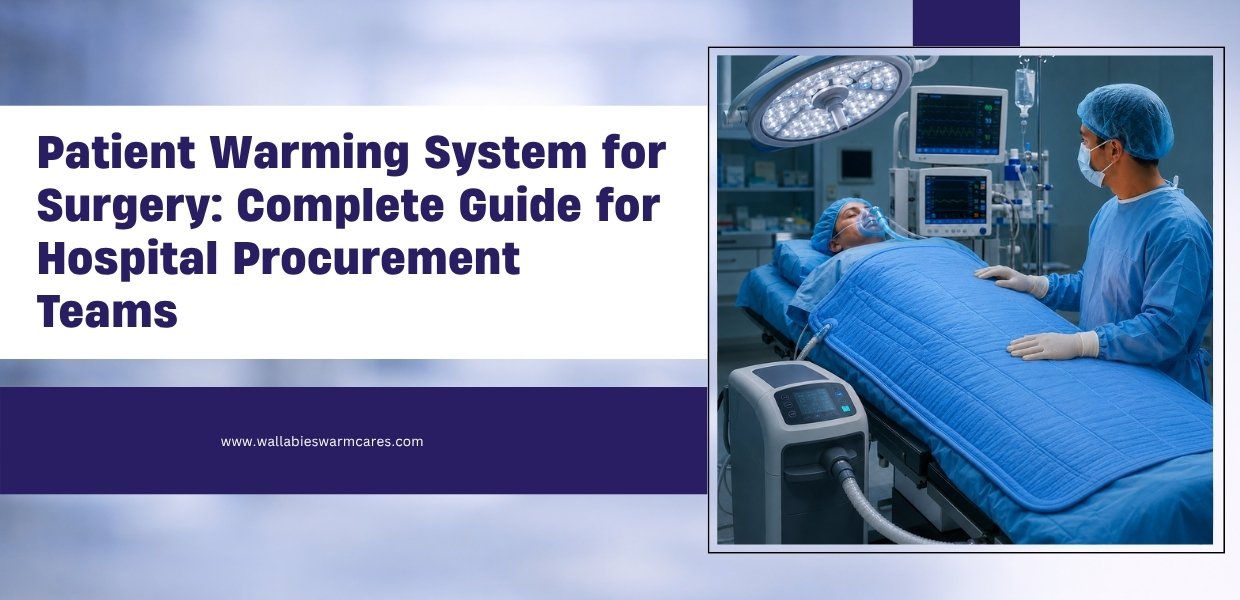
Did you know that maintaining normothermia can significantly reduce postoperative complications by up to 50%? Hypothermia during surgery is a serious concern, often leading to extended recovery times and increased risk of infections. This guide will explore patient warming systems, their applications, benefits, and evidence supporting their use in surgical settings.

Table of Contents
- The Critical Importance of Maintaining Normothermia During Surgery
- Comprehensive Comparison of Patient Warming Devices
- Steps to Effectively Integrate Warming Systems in Surgical Practices
- Emerging Technologies and Innovations in Patient Warming Solutions
- Frequently Asked Questions
- Conclusion
- Related Resources
The Critical Importance of Maintaining Normothermia During Surgery
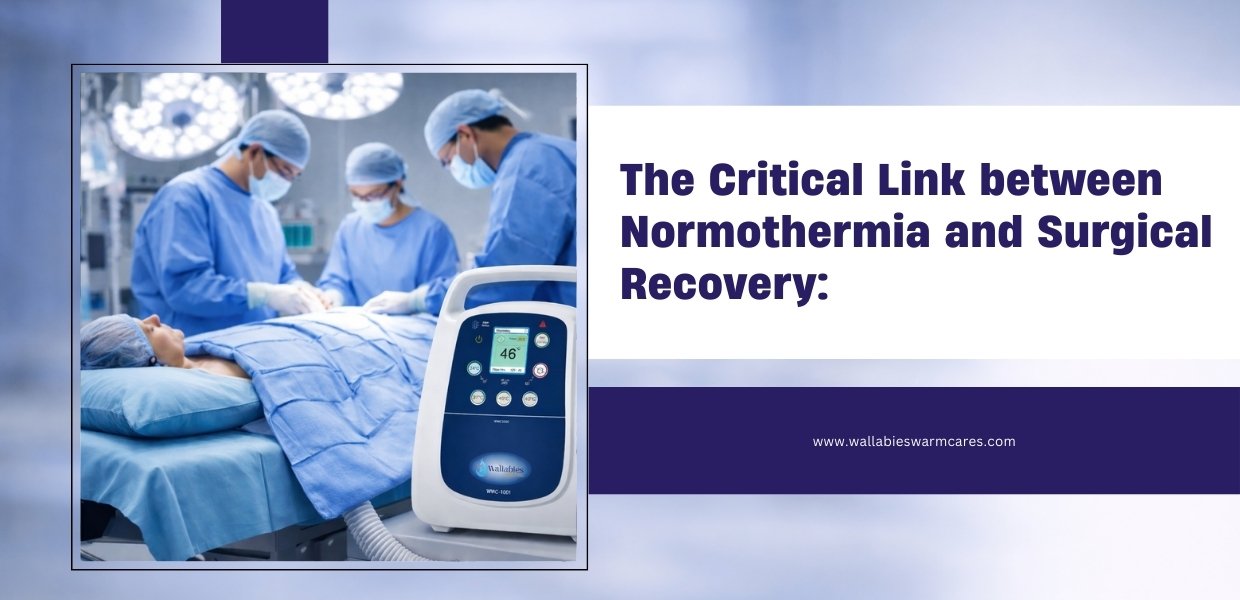
Maintaining normothermia is vital for surgical success. According to various studies, adequate thermal regulation during surgery can affect recovery times and surgical outcomes significantly. Hypothermia, defined as a core body temperature below 36°C (96.8°F), can lead to numerous complications, including increased bleeding, extended hospital stays, and heightened risk of infection. A recent systematic review highlighted that approximately 50% of patients in surgical settings experience unintended hypothermia, leading to critical repercussions on patient recovery and satisfaction. Recognizing these risks, clear protocols have emerged to underscore the importance of maintaining normothermia.
Understanding Hypothermia and Its Effects on Patients
Hypothermia during surgery is not just a mere nuisance; it can significantly undermine surgical outcomes. The physiological effects of hypothermia include inhibited coagulation, prolonged anesthesia effects, and increased susceptibility to surgical site infections. Statistics reveal that patients experiencing hypothermia face a staggering increase in postoperative complications, ranging from 30-50%. Consequently, addressing this issue through effective patient warming protocols becomes imperative in enhancing surgical safety. According to PubMed Central clinical studies, implementing standardized warming protocols reduces these risks substantially, enabling a safer surgical experience.
Clinical Importance of Patient Warming Protocols
Developing and implementing patient warming protocols aligns with best clinical practices. Effective warming strategies include maintaining the operating room temperature, employing warming devices, and utilizing pre-warming methods before induction. A comparative analysis has shown that warmed patients experience markedly better outcomes, with decreased rates of hypothermia and improved recovery metrics. The adherence to established guidelines—as suggested by The National Library of Medicine—emphasizes the need for these protocols and their clinical implications in surgical care.
Comprehensive Comparison of Patient Warming Devices
As technology advances, various patient warming devices have emerged, each with unique advantages and methodologies. Understanding these systems helps healthcare providers select the best appropriate tools for their specific surgical contexts.
Forced Air Warming Systems
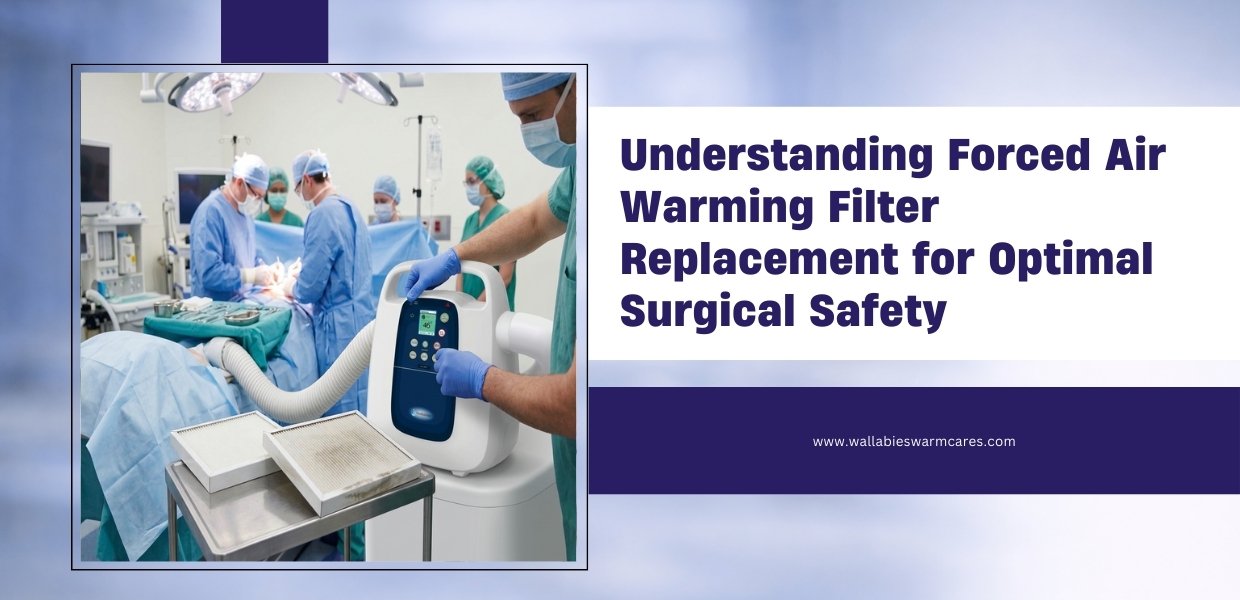
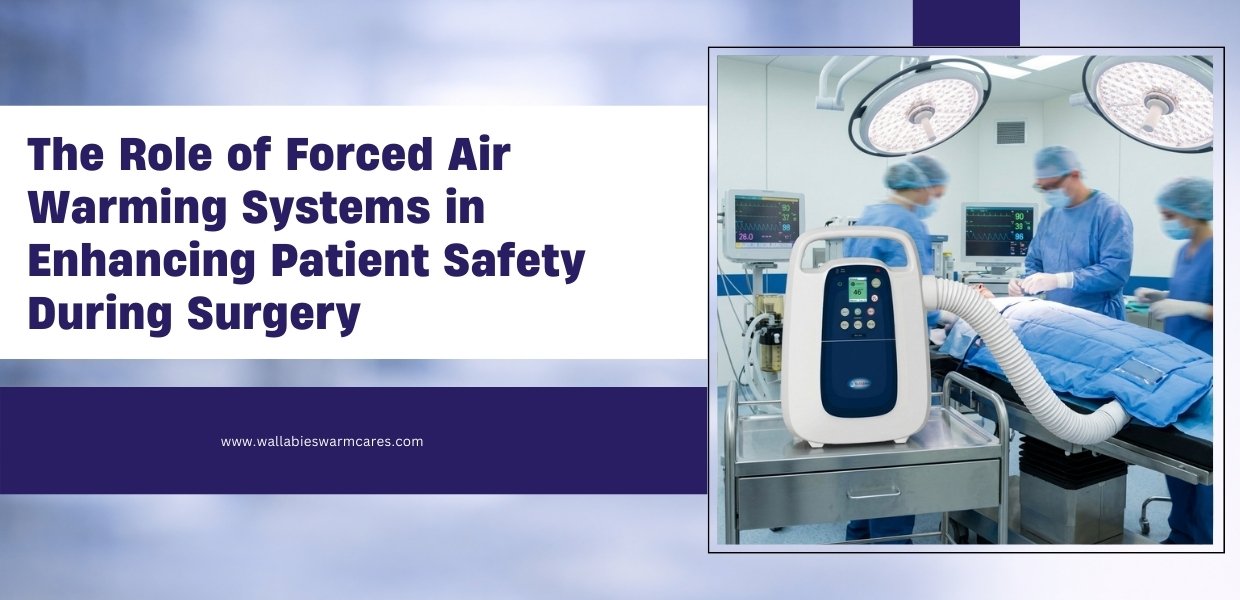
Forced air warming systems utilize a heater that blows warm air into a blanket, effectively increasing the patient’s core temperature. These devices are recognized for their rapid warming capabilities and ease of use. Numerous studies show significant benefits, including improved patient outcomes and a reduced incidence of hypothermia. However, some drawbacks include noise levels and potential drafts in the surgical environment. Like any medical device, understanding both the advantages and disadvantages is crucial for optimal use in surgeries. Insights from PubMed Central reveal that forced air warming is particularly effective in both adult and pediatric surgeries owing to its efficiency.
Resistive Heating Technology
Resistive heating technology employs heating elements that warm the patient directly via conductive blankets. These systems are highly effective in maintaining targeted temperatures, providing consistent warmth without the noise associated with forced air systems. While they may warm the patient slower than forced air devices, resistive heating is beneficial in scenarios where continuous temperature regulation is needed. Most importantly, they have proven effective in reducing postoperative complications. Enhanced by cutting-edge designs, these systems ensure patients recover warmth lost throughout surgical procedures.
Advantages of Hybrid Systems
Hybrid systems that integrate both forced air and resistive heating technologies offer a compelling approach to patient warming. By combining the rapid warmth of forced air with the steady warmth of resistive heating, these systems maximize benefits while mitigating individual drawbacks. Successful implementation of hybrid systems is evident in various clinical settings, showcasing their versatility and adaptability to different surgical environments. Such systems are paving the way for innovative practices in patient care aimed at improving outcomes across the board.
Steps to Effectively Integrate Warming Systems in Surgical Practices
Integrating patient warming systems into surgical practices requires strategic planning and adherence to established guidelines.
Developing a Patient Warming Protocol
To develop an effective patient warming protocol, healthcare providers should start by evaluating current practices. Gather a multidisciplinary team to identify gaps in temperature management strategies and outline step-by-step procedures for implementation. This includes preoperative measures, intraoperative warming techniques, and postoperative monitoring. Establishing clear guidelines streamlines warming practices, improving adherence and overall patient care.
Staff Training and Education
The successful adoption of patient warming systems hinges on the training and education of clinical staff. Providing comprehensive training sessions that cover technical aspects and practical applications of warming systems will ensure that staff is well-prepared. Suggested resources include workshops, webinars, and simulation-based training. Highlighting the significance of staff engagement empowers institutions to implement successful patient warming solutions effectively.
Emerging Technologies and Innovations in Patient Warming Solutions
As technology evolves, the realm of patient warming continues to grow, introducing innovative solutions aimed at enhancing patient care.
New Materials and Designs
Innovative materials, such as advanced textiles that provide superior warmth retention, are increasingly utilized in the development of patient warming solutions. Emerging products in the market showcase a focus on maximizing warmth while improving patient comfort. This not only promotes better outcomes but fosters a more comfortable surgical experience, bridging the gap between technology and patient-centric care.
Future Directions in Patient Warming
The future of patient warming is poised to intersect with the Internet of Things (IoT), enhancing monitoring and control in real-time. Smart warming devices capable of providing feedback to clinicians can help personalize care by considering individual patient needs. Anticipated advancements in this area promise to redefine patient warming strategies, leading to improved clinical efficiency and patient outcomes. Insights and projections from industry reports endorse the viability and necessity of integrating IoT into future patient warming solutions.
Frequently Asked Questions
Q: How do patient warming devices benefit surgical outcomes?
Patient warming devices are critical in maintaining normothermia, which reduces complications such as infection rates and length of postoperative recovery. Proper use of these devices results in enhanced patient safety and satisfaction.
Q: What types of patient warming systems are available?
There are various patient warming systems, including forced air warming systems, resistive heating blankets, and hybrid solutions that combine both technologies for maximum efficacy.
Q: What should a hospital consider when purchasing warming systems?
Hospitals should consider factors such as effectiveness, ease of integration into existing practices, cost, and available training for staff when selecting patient warming systems.
Conclusion
Maintaining normothermia is essential in surgical care to reduce the risk of postoperative complications. Understanding the different technologies available enables healthcare providers to choose the right system for their needs. Ongoing education and protocol development are key to successful implementation of patient warming systems. For more insights on patient warming solutions, contact us to discuss your specific needs.
Related Resources
- Forced Air Warming Machines – Explore our range of advanced forced air warming devices.
- Warming Blankets – Check out our warming blankets designed for optimal patient care.
- Distributors – Find our authorized distributors for easy procurement.
- Contact Us – Get in touch for more information on our solutions.