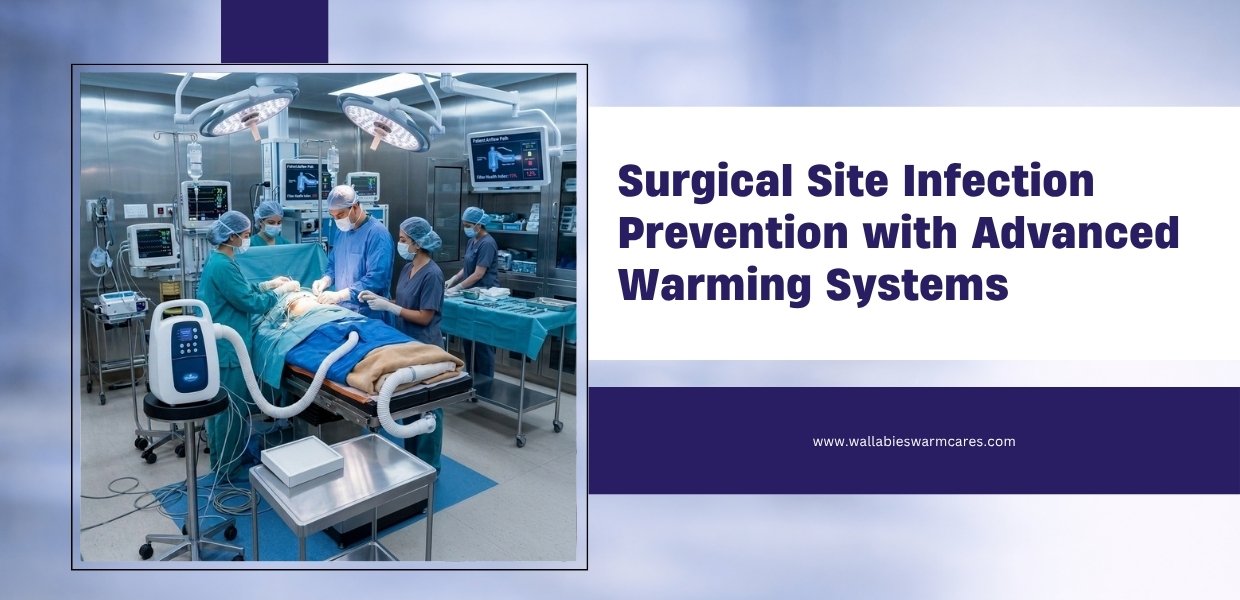
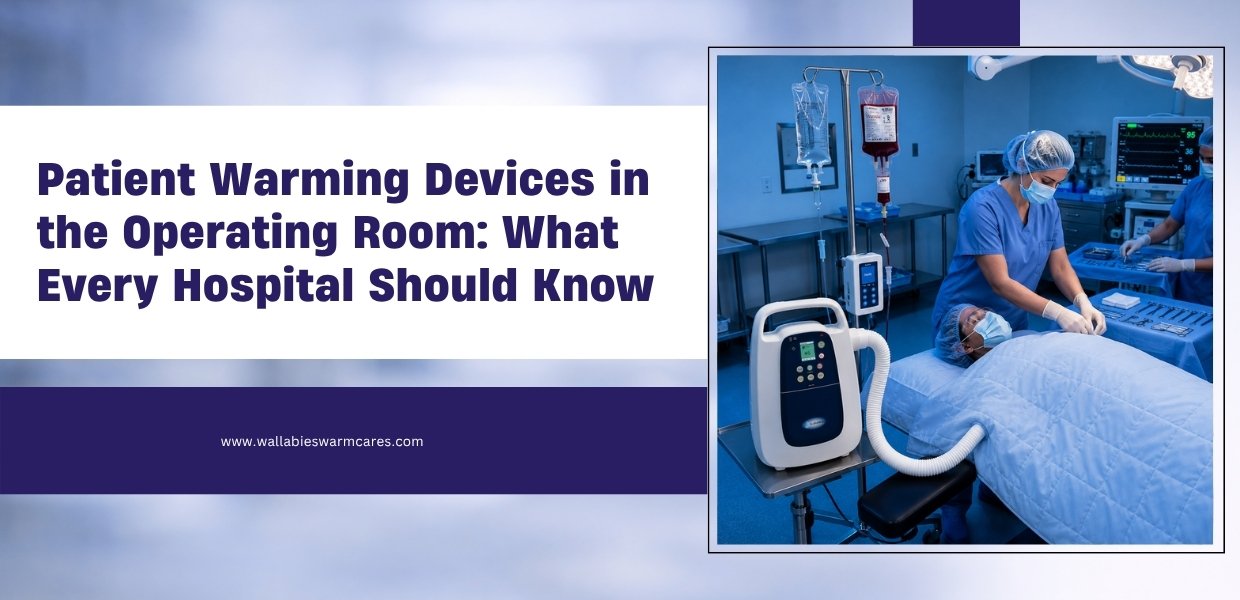
The operating room is one of the most temperature-hostile environments a patient will ever experience. Cold ambient temperatures, anaesthesia-induced thermoregulatory disruption, surgical skin exposure, and cold intravenous fluids combine to create a predictable, dangerous, and entirely preventable outcome: inadvertent perioperative hypothermia. The good news is that the clinical tools to prevent it are well established, well evidenced, and available to every hospital. Patient warming devices in the operating room are the frontline defence that every perioperative team needs to understand, select, and deploy correctly. This guide covers everything hospital administrators, OR teams, and procurement managers need to know about warming devices in the operating room from the science of heat loss in surgery, to the types of active warming devices available, the latest AORN and NICE guidelines, and how to choose the right system for your facility.
Why Patient Warming in the Operating Room Matters
Inadvertent perioperative hypothermia (IPH) defined as a core body temperature below 36°C affects a large proportion of surgical patients who do not receive active warming. It is not a minor inconvenience: it is a clinically significant complication with serious, well-documented consequences.
Heat loss during surgery occurs through four physical mechanisms:
- Radiation: The body continuously emits heat to the cooler OR environment the primary route of heat loss in surgery.
- Conduction: Direct contact with cold surfaces the OR table, positioning devices, prep fluids draws heat from the skin.
- Convection: Cold OR air currents carry heat away from exposed skin and body cavities.
- Evaporation: Moisture from open body cavities, skin prep solutions, and breathing carries significant heat away. For every gram of water evaporated, approximately 0.58 kcal of heat is lost.
Anaesthesia compounds this by disrupting the body’s thermoregulatory response patients lose the ability to shiver, vasoconstrict, or generate metabolic heat effectively. The most rapid temperature drop occurs in the first 30–60 minutes of anaesthesia induction, primarily due to redistribution of core body heat to peripheral tissues.
The consequences of allowing this to go unaddressed are significant:
- Surgical site infections: Hypothermia triples the risk of SSI by impairing peripheral blood flow and immune function.
- Increased blood loss: Cold impairs platelet function and coagulation, increasing intraoperative bleeding and transfusion requirements.
- Cardiac complications: Hypothermia causes vasoconstriction and cardiovascular strain, raising the risk of arrhythmias and myocardial events.
- Prolonged recovery: Hypothermic patients experience delayed anaesthesia metabolism, extended PACU stays, and slower wound healing.
- Patient discomfort and shivering: Post-operative shivering is one of the most distressing experiences for patients and one of the most easily prevented.
AORN 2025 Guideline Update: The updated AORN Patient Temperature Management guideline reinforces that active warming is significantly more effective than passive insulation alone, and recommends continuous warming from the preoperative phase through the postoperative period with minimal interruptions.
Types of Patient Warming Devices in the Operating Room
Modern patient warming devices are categorised into passive and active strategies. Passive methods slow heat loss; active methods actively transfer heat to the patient. Clinical guidelines consistently recommend active warming as the primary approach for perioperative temperature management.
Passive Warming Methods
Passive warming involves insulating the patient to reduce heat loss. Common methods include cotton blankets, reflective space blankets, warm cotton gowns, and head coverings. While these measures are useful for comfort and mild heat preservation, they do not actively warm the patient and are insufficient alone for procedures lasting more than 30 minutes. AORN and NICE guidelines are clear that passive insulation should be used alongside not instead of active warming devices.
1. Forced Air Warming Devices (Convective Warming)
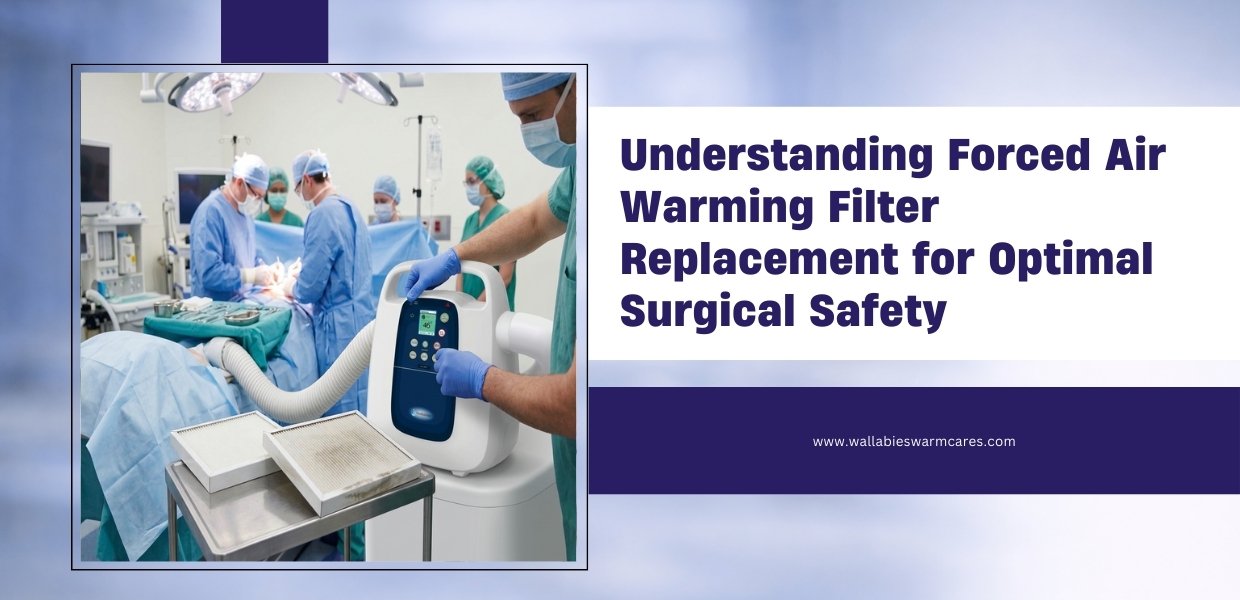
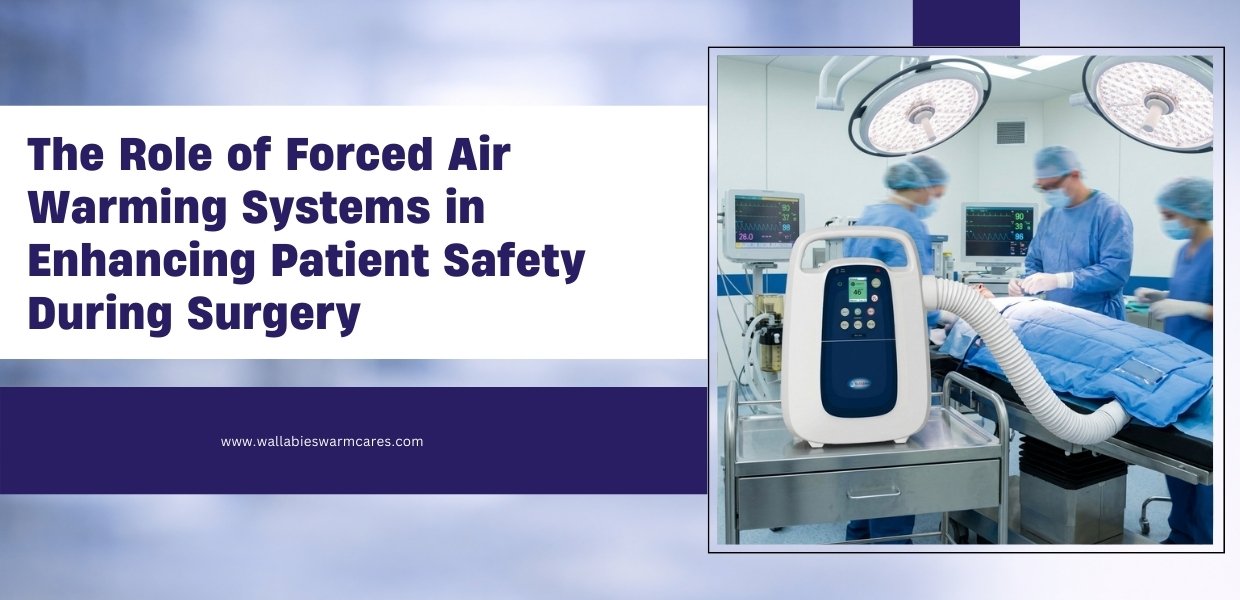
The most widely used and evidence-backed category of active warming OR device. Forced air warming machines deliver precisely heated air through a flexible hose into a disposable warming blanket placed over the patient. The blanket distributes warm air via thousands of micro-perforations, creating a convective heat envelope around the patient’s body surface.
Forced air warming systems are effective for all three phases: pre-warming before induction, intraoperative warming during the procedure, and post-operative rewarming in the PACU. They are compatible with a wide range of blanket configurations upper body, lower body, full body, underbody, and paediatric making them adaptable to virtually all surgical specialties and positions.
2. Conductive Warming Systems
Conductive devices transfer heat through direct physical contact with the patient. Common examples include resistive heating pads, heated mattress overlays, carbon polymer underbody blankets, and heated surgical table systems. These are particularly useful for surgical patient warming during procedures where over-body access is restricted such as prone or lateral positioning as the heat source is underneath the patient.
Conductive systems are often used in combination with forced air warming for comprehensive 360-degree warming coverage during high-risk or lengthy procedures.
3. Fluid Warming Devices
As covered in detail in our fluid warmer clinical guide, cold intravenous fluids and blood products are a major cause of internal heat loss during surgery. IV fluid warmers and blood warmers heat fluids to near body temperature (37°C – 42°C) before they enter the patient’s circulation, preventing inside-out hypothermia during procedures requiring significant fluid replacement.
Fluid warmers are essential in major abdominal, vascular, cardiac, and trauma surgery and are a mandatory component of massive transfusion protocols (MTP). They complement surface warming devices to manage all routes of heat loss simultaneously.
4. Radiant Warming Devices
Radiant warmers use infrared heat emitted from an overhead source to warm the patient directly without physical contact. They are primarily used in neonatal intensive care units (NICU) and neonatal resuscitation areas, where newborns require warmth while full clinical access is maintained for procedures such as intubation and cannulation. In the OR, radiant warming is occasionally used as a supplemental measure during paediatric procedures.
5. Warming Cabinets
Heated cabinets maintain a ready supply of warm blankets, gowns, and IV fluid bags for immediate patient use. While not active warming devices on their own, warming cabinets are a core component of pre-warming protocols particularly in pre-operative holding areas where patients are prepared for surgery. They ensure that pre-warmed blankets are always available without delay, supporting surgical patient warming protocols from the moment of patient arrival.
Forced Air Warming Devices in the OR: A Closer Look
Among all warming devices in the operating room, forced air warming (FAW) systems are consistently identified in clinical literature as the most effective active warming modality for perioperative use. Understanding how they work and what differentiates a high-quality system is essential for informed procurement decisions.
A forced air warming system has two core components:
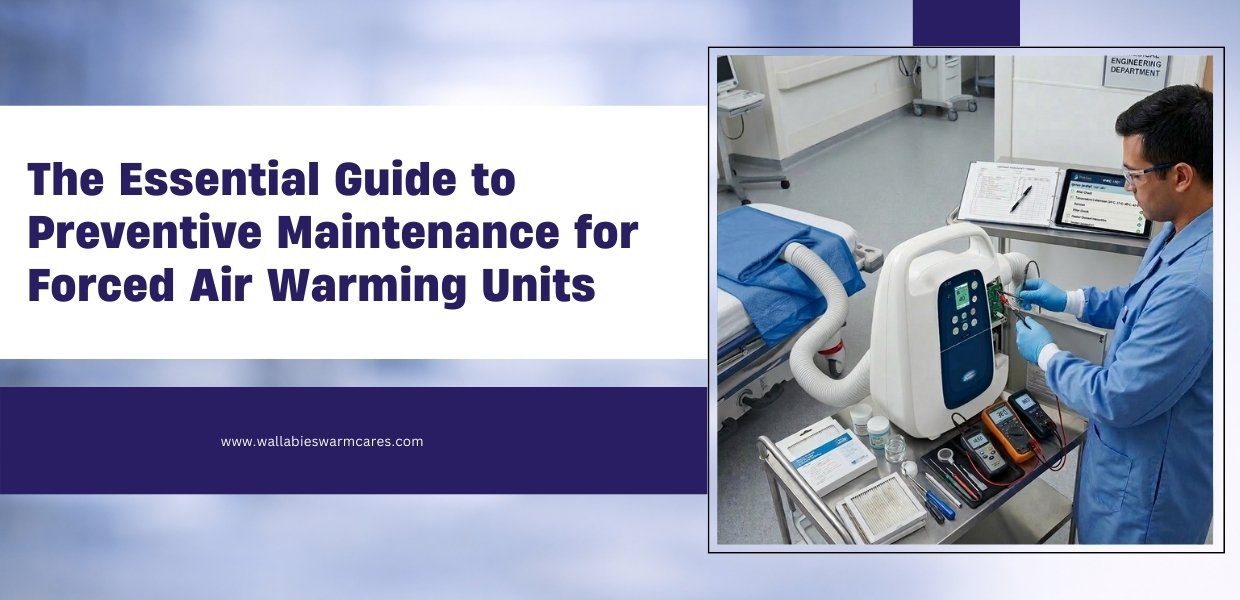
- The warming unit: Draws ambient air through a HEPA filter, heats it to a clinically set temperature (typically 32°C–43°C) via a precision heating element, and delivers warm air through a flexible hose at a controlled flow rate.
- The disposable warming blanket: A single-use inflatable blanket with thousands of micro-perforations on the patient-facing surface, designed to distribute warm air evenly across the target body area.
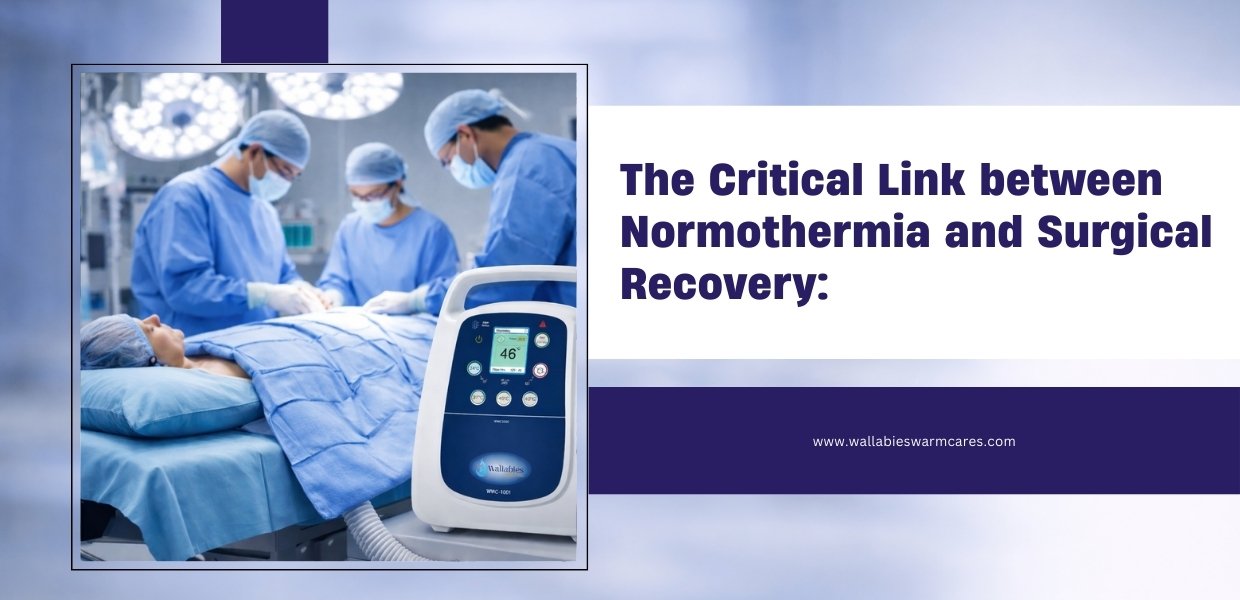
Pre-warming with a forced air warming device for at least 30 minutes before anaesthesia induction is the most evidence-supported intervention for reducing redistribution hypothermia. By warming the patient’s peripheral tissues before the core heat redistributes during induction, pre-warming significantly reduces the temperature drop in the first critical hour of surgery.
Key features to look for in a forced air warming system include:
- Precise digital temperature control across multiple settings
- Low noise operation (below 52 dB) for the surgical environment
- Compatibility with a full range of blanket configurations
- Built-in safety cutoffs and alarm systems
- ISO 13485 certification at the manufacturer level
- Compact, mobile design for easy deployment across departments
Fluid Warmers in the Operating Room
No discussion of patient warming devices in the operating room is complete without addressing intravenous fluid warming. Surface warming devices manage external heat loss; fluid warmers manage the heat lost internally through cold IV fluids and blood products.
In procedures involving significant fluid replacement abdominal surgery, vascular surgery, cardiac surgery, orthopaedic procedures, trauma cold fluids can dramatically accelerate hypothermia. Each litre of room-temperature crystalloid or unit of refrigerated blood reduces mean body temperature by approximately 0.25°C in an adult. In a major case involving multiple litres of fluid, the cumulative impact without active intravenous fluid warming is severe.
Modern in-line IV fluid warmers and blood warmers heat fluids as they flow through a disposable warming set connected in-line with the patient’s IV administration system. Microprocessor-controlled temperature management maintains fluid delivery between 37°C and 42°C with automatic safety cutoffs above 42.5°C to protect blood products from hemolysis.
For trauma resuscitation requiring rapid, high-volume fluid delivery, high-flow rapid infusion warmers provide warmed fluid at rates that standard warmers cannot achieve a critical requirement for preventing the deadly Triad of Death (hypothermia, acidosis, coagulopathy) in major trauma patients.
How to Choose the Right Patient Warming Devices for Your OR
Selecting the right patient warming devices for your operating room requires a structured evaluation approach. Consider the following criteria:
- Assess your patient and procedure mix: Identify the surgical specialties and procedure types in your facility. Short day-case procedures have different warming needs from major cardiac or trauma surgery.
- Cover all three phases: Ensure your warming protocol addresses preoperative, intraoperative, and postoperative phases. Devices that support continuous warming from pre-op through PACU recovery are most effective.
- Combine surface and fluid warming: For any procedure involving significant fluid administration, a forced air warming system alone is insufficient. Pair surface warming with an IV fluid warmer for complete perioperative temperature management.
- Evaluate blanket compatibility: The warming machine should support the full range of blanket types your OR needs upper body, lower body, full body, underbody, and paediatric from a single platform.
- Check quality certifications: Look for ISO 13485 certification at the manufacturer level, IEC 60601-1 electrical safety compliance, and regional regulatory approvals (CDSCO for India, FDA for USA, CE mark for Europe).
- Perform pre-purchase evaluation: The 2025 AORN guideline update specifically recommends pre-purchase evaluations for all normothermia devices including performance testing, staff training requirements, and total cost of ownership over the device’s lifespan.
- Consider service and supply reliability: Evaluate the supplier’s ability to support your facility with consistent blanket supply, maintenance support, and technical documentation.
AORN and NICE Guidelines for Patient Warming in the OR
Two clinical bodies provide the most widely adopted guidelines for patient warming devices in surgical care:
AORN – Association of periOperative Registered Nurses (2025 Updated Guideline)
The AORN Guideline for Patient Temperature Management (updated 2025) provides perioperative nurses and OR teams with the most current evidence-based framework for perioperative temperature management. Key recommendations from the 2025 update include:
- Pre-warming for at least 30 minutes before anaesthesia induction using active warming devices such as forced air warming systems.
- Active warming is mandatory the guideline reinforces that passive insulation alone is not sufficient for patients undergoing general anaesthesia. Active warming must be initiated and maintained throughout all phases.
- Continuous warming with minimal interruptions new 2025 recommendations emphasise that warming should continue from the intraoperative phase into the postoperative period without unnecessary breaks.
- Pre-purchase evaluation of all warming devices a new 2025 recommendation explicitly requiring hospitals to formally evaluate warming devices before procurement.
- Patient risk assessment identify patients at elevated hypothermia risk (older patients, longer procedures, significant fluid requirements) and adjust warming protocols accordingly.
NICE – National Institute for Health and Care Excellence (CG65)
NICE guideline CG65 (Hypothermia: prevention and management in adults having surgery) recommends that all adult patients undergoing surgery receive active warming when the procedure is expected to last 30 minutes or longer, or when the patient’s temperature on admission to the OR is below 36°C. NICE specifies forced air warming as the preferred active warming OR modality and recommends pre-warming in the pre-operative setting.
Compliance Note: For Indian hospitals, the NABH (National Accreditation Board for Hospitals) quality standards incorporate perioperative temperature management protocols. ISO 13485-certified warming device suppliers align with these quality management requirements.
Wallabies Warm Care: Complete OR Warming Solutions
At Wallabies Warm Care, we manufacture ISO 13485-certified patient warming systems specifically designed for operating room, ICU, and recovery environments. Based in Pune, India, we supply hospitals and distributors across India, the USA, Europe, and worldwide providing complete perioperative temperature management solutions from a single trusted source.
Forced Air Patient Warming Machine
Our flagship product is a purpose-built forced air warming device for operating rooms and critical care settings. Engineered for precision convective warming, it supports all phases of the perioperative pathway and is compatible with our full range of warming blankets for upper body, lower body, full body, underbody, and paediatric use. Low noise operation, intuitive digital controls, and a compact mobile design make it a practical choice for daily OR use.
Warming Blankets
Our range of single-use surgical warming blankets is designed for even warm air distribution, maximum patient comfort, and full clinical access during procedures. Multiple configurations serve diverse surgical specialties from standard adult procedures to complex paediatric and neonatal care.
Blood and Fluid Warmer
Completing the perioperative warming portfolio, our blood and fluid warmer supports intravenous fluid warming during surgery and critical care. Working alongside our surface warming system, it provides comprehensive protection against all routes of perioperative heat loss from the skin surface to the bloodstream.
To explore distributor partnership opportunities or request product specifications for your hospital, visit wallabieswarmcares.com or contact our team today.
Frequently Asked Questions About Patient Warming Devices in the OR
What are patient warming devices used for in the operating room?
Patient warming devices in the operating room are used to prevent inadvertent perioperative hypothermia a core temperature drop below 36°C which commonly occurs during surgery due to anaesthesia, cold OR environments, skin exposure, and cold IV fluids. Active warming devices maintain the patient’s normothermia (36°C–37.5°C) before, during, and after the procedure, reducing the risk of surgical site infections, blood loss, cardiac complications, and prolonged recovery.
What is the most effective patient warming device for the OR?
Forced air warming (convective warming) is consistently identified in clinical literature and supported by AORN and NICE guidelines as the most effective active warming method for perioperative temperature management. A forced air warming device actively delivers controlled warm air across the patient’s body surface throughout all phases of surgery. For procedures involving significant fluid administration, an in-line IV fluid warmer should also be used alongside the surface warming system.
When should patient warming devices be started in the OR?
AORN and NICE guidelines both recommend beginning active warming OR at least 30 minutes before anaesthesia induction a practice called pre-warming. Pre-warming with a forced air warming system significantly reduces redistribution hypothermia during induction. Warming should then continue uninterrupted throughout the intraoperative phase and into post-operative recovery in the PACU.
What is the difference between active and passive warming in the OR?
Passive warming methods such as cotton blankets, reflective sheets, and warm gowns slow the rate of heat loss but do not actively add heat to the patient. Active warming devices such as forced air warming systems, conductive pads, and fluid warmers actively transfer heat to the patient and can raise core body temperature. AORN 2025 guidelines confirm that active warming is more effective than passive insulation alone, and is necessary for all patients undergoing general anaesthesia.
What AORN guidelines apply to patient warming devices in 2025?
The AORN Guideline for Patient Temperature Management (updated 2025) recommends: pre-warming for at least 30 minutes before induction; active warming throughout the intraoperative phase; continuous warming into the postoperative period with minimal interruptions; formal pre-purchase evaluation of all normothermia devices; and patient risk assessment to identify those at elevated hypothermia risk. The guideline also confirms that passive insulation is insufficient as a standalone strategy.
Are patient warming devices required for short surgical procedures?
NICE CG65 recommends active patient warming for any procedure expected to last 30 minutes or longer, or when a patient’s pre-operative temperature is below 36°C. For shorter procedures, risk assessment should guide the decision. Patients who are elderly, very thin, undergoing regional anaesthesia, or receiving significant IV fluids may benefit from active warming OR even in short procedures.
How do hospitals in India choose the right patient warming system?
Indian hospitals increasingly align with NABH quality standards and international guidelines for surgical patient warming. When procuring patient warming devices, Indian procurement teams should look for: ISO 13485-certified manufacturers; CDSCO compliance for the Indian market; comprehensive blanket compatibility for diverse procedure types; reliable domestic supply for consumables; and full technical and clinical support. Domestic manufacturers like Wallabies Warm Care provide ISO 13485-certified solutions with the supply reliability and cost advantages suited to the Indian hospital procurement environment.
Conclusion
Choosing and deploying the right patient warming devices in the operating room is one of the most impactful decisions a hospital can make for patient safety. The evidence is unambiguous: active perioperative warming reduces surgical site infections, blood loss, cardiac complications, and recovery time. AORN’s 2025 updated guidelines have reinforced that warming must be continuous, active, and formally planned not an afterthought.
A complete perioperative temperature management strategy combines forced air surface warming, IV fluid warming, and appropriate passive insulation, covering all three phases of the surgical pathway. Hospitals that invest in the right warming devices in the operating room from an ISO 13485-certified manufacturer protect their patients, meet clinical guidelines, and improve measurable outcomes.
Wallabies Warm Care manufactures complete patient warming solutions forced air warming machines, warming blankets, and blood and fluid warmers trusted by hospitals worldwide. Contact our team at wallabieswarmcares.com or explore distributor partnership opportunities at /distributors/.