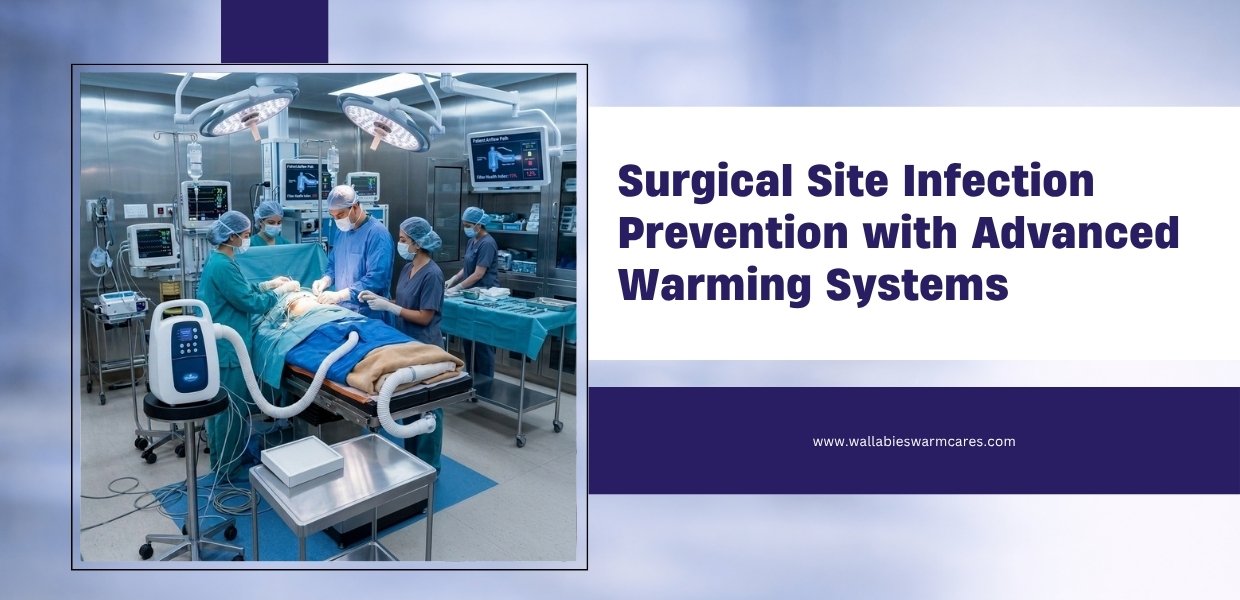
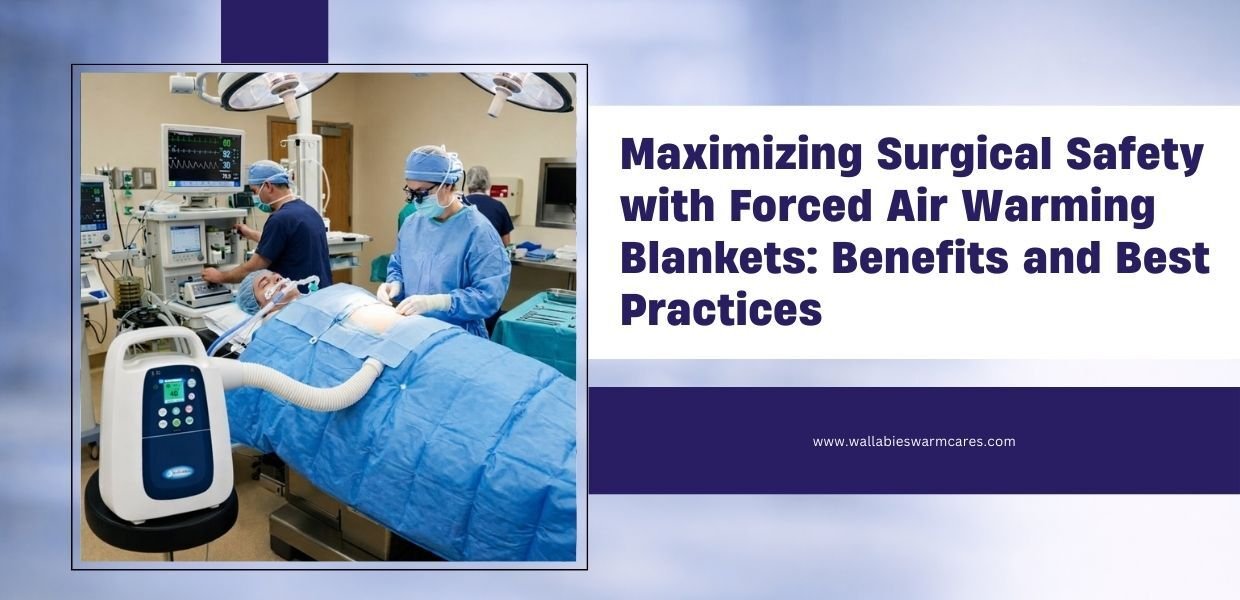
Did you know that maintaining normothermia can significantly decrease surgical complications? Hypothermia during surgery is linked to increased risks of postoperative infections, extended recovery times, and heightened discomfort for patients. Despite the substantial evidence supporting the use of warming technologies, many surgical settings still lack effective warming solutions. This article explores the advantages and applications of forced air warming blankets, providing evidence-based insights aimed at healthcare professionals dedicated to enhancing patient safety during surgical procedures.
Understanding Forced Air Warming Blanket Technology
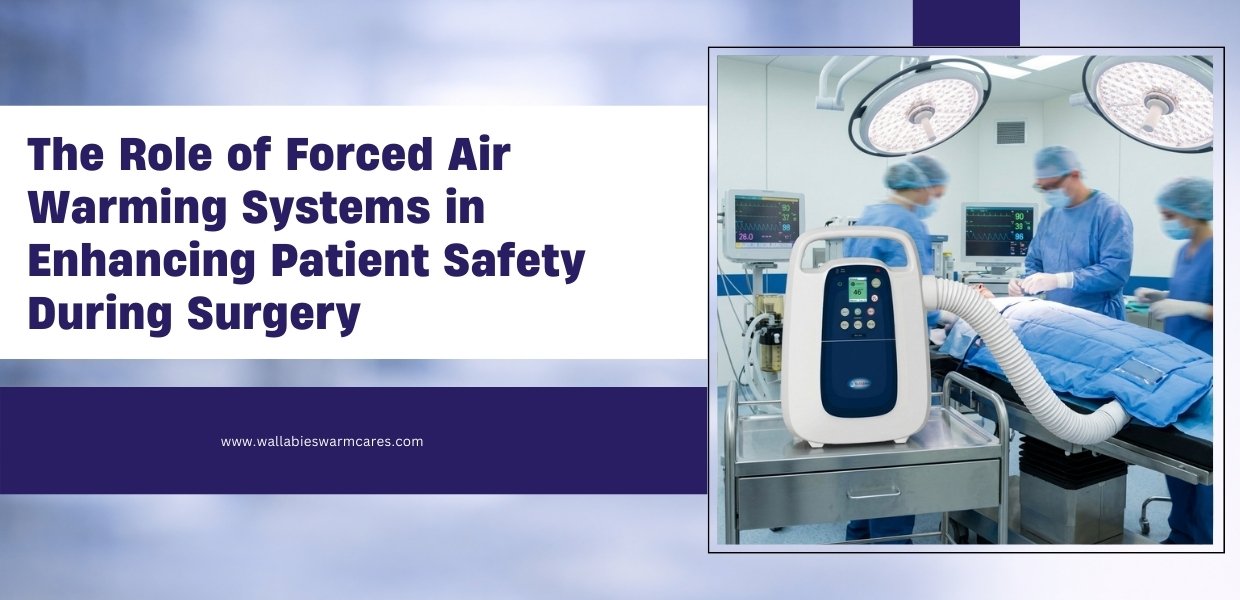
The technology behind forced air warming blankets has evolved to improve patient outcomes during surgical procedures. These devices utilize a fan to blow warm air into a specially designed blanket, maintaining a consistent temperature while allowing for heat distribution across the patient’s body.
Mechanism of Action
Forced air warming blankets work through a sophisticated system of air distribution and temperature control. Warm air generated by the unit is directed through hoses into the blanket. As the air flows through, it raises the blanket’s surface temperature, creating a warm, comfortable environment for the patient. This mechanism supports normothermia—keeping the patient’s body temperature stable—resulting in reduced physiological stress during surgery.
The use of diagrams to illustrate airflow and heating processes can further enhance comprehension, illustrating how effectively forced air blankets maintain warmth without compromising patient safety through overheating.
Clinical Applications Across Surgical Disciplines
Warming blankets are indispensable across various surgical fields, including orthopedic, general, and pediatric surgeries. Within orthopedic settings, forced air warming blankets help minimize the risk of hypothermia due to prolonged procedures and exposure to cooler ambient temperatures. In a general surgery context, consistent use of these blankets is shown to correlate with decreased infection rates and improved patient outcomes. Embracing warming technology in pediatric settings is essential to protect the vulnerable population, as children often experience greater temperature drops during surgical interventions.
According to the OHSU evidence brief on warming devices, implementing effective warming strategies is critical for improving surgical outcomes and ensuring the safety of patients across all demographics.
Benefits of Forced Air Warming Blankets in Reducing Hypothermia Risks
Using forced air warming blankets provides numerous clinical benefits supported by a wealth of research evidence.
Evidence of Reduced Hypothermia Incidents
Studies have shown that hypothermia prevention becomes significantly more effective with the use of warming blankets. For instance, a meta-analysis revealed that utilizing forced air warming systems can reduce the incidence of perioperative hypothermia by up to 70%.
According to a study published by NIH, patients receiving active warming during surgery experienced markedly fewer complications related to body temperature drops, which include adverse cardiovascular and coagulation responses.
Impact on Patient Post-Operative Recovery
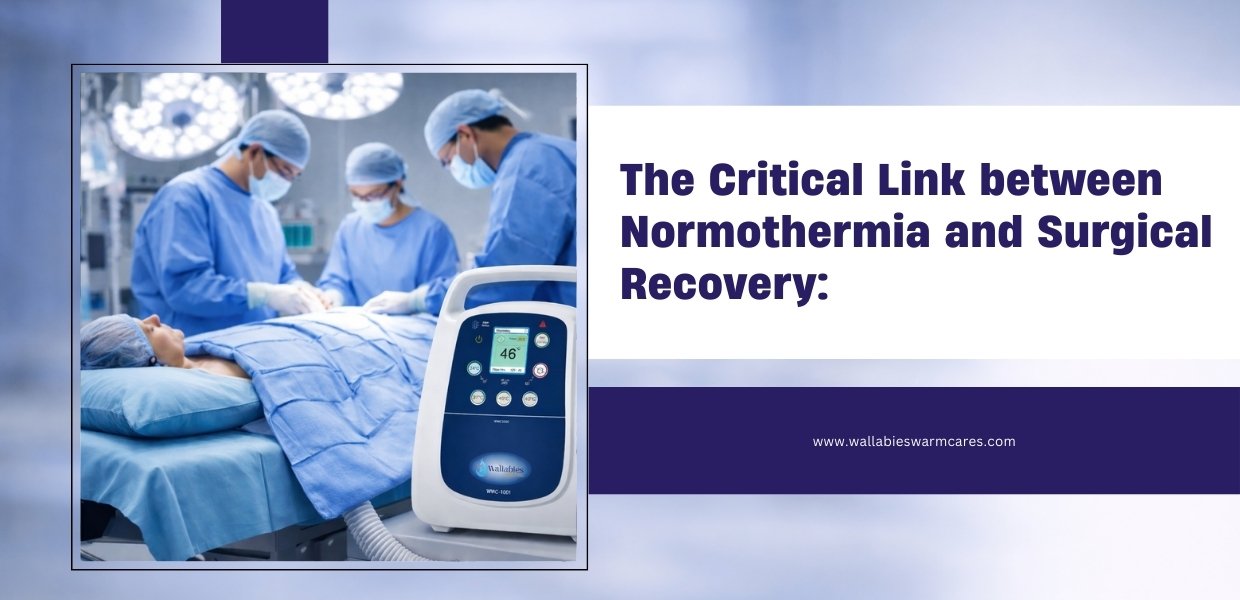
Improved temperature management has a direct correlation with patient recovery times and surgical outcomes. Warming blankets lead to enhanced recovery effects, reducing the need for prolonged post-operative care. Patients kept normothermic report lower pain levels and faster return to preoperative function, which is linked to shorter hospital stays and increased patient satisfaction.
A systematic review indicates that rapid recovery not only boosts overall satisfaction but also reduces healthcare costs and resource utilization, making warming blankets a practical choice for surgical settings.
Comparing Different Types of Warming Blankets for Optimal Use
Not all warming blankets offer the same advantages. Understanding the differences can help healthcare providers make informed choices.
Forced Air vs. Resistive Heating Blankets
A comparative analysis indicates that forced air warming systems generally outperform resistive heating blankets in terms of effectiveness, comfort, and safety. Forced air systems provide rapid heating while allowing for better heat distribution, minimizing overheating risks.
| Feature | Forced Air Warming | Resistive Heating |
|---|---|---|
| Heating Speed | Fast | Moderate |
| Comfort Level | High | Variable |
| Cost Effectiveness | Moderate | Lower |
| Clinical Settings | Versatile | Specific |
Suitability for Various Surgical Procedures
When considering the suitability of various types of blankets, it’s important to tailor choices based on specific surgical procedures. For example, forced air warming blankets are preferred in lengthy surgeries, where maintaining normothermia without overheating becomes paramount. Conversely, for shorter procedures, simpler thermal models may suffice.
Referencing credible data and NIH clinical trial findings on surgical site infections can guide practitioners in selecting the most suitable warming solution based on surgical needs and patient demographics.
Addressing Infection Risks Related to Warming Blankets
Concerns about infection transmission when using warming blankets are valid but manageable through proper practices.
Understanding Infection Risks in Surgical Settings
Infection risks associated with warming devices primarily stem from inadequate maintenance protocols and sanitation efforts. Documented cases highlight the need for strict observance of hygiene standards when using these blankets in surgical environments.
Best Practices for Safe Usage
To ensure patient safety, adherence to the latest infection control guidelines such as those from the CDC is crucial. Key best practices include:
- Regularly cleaning and maintaining the warming devices.
- Utilizing single-use barriers or covers when necessary.
- Training surgical staff on proper usage and maintenance protocols to mitigate risks.
Implementing these measures greatly enhances the safety of using forced air warming blankets in surgical settings.
Best Practices for Implementing Forced Air Warming Blankets in Surgery
Ensuring successful deployment of forced air warming blankets involves following established protocols that maximize effectiveness while prioritizing patient safety.
Protocols for Effective Deployment
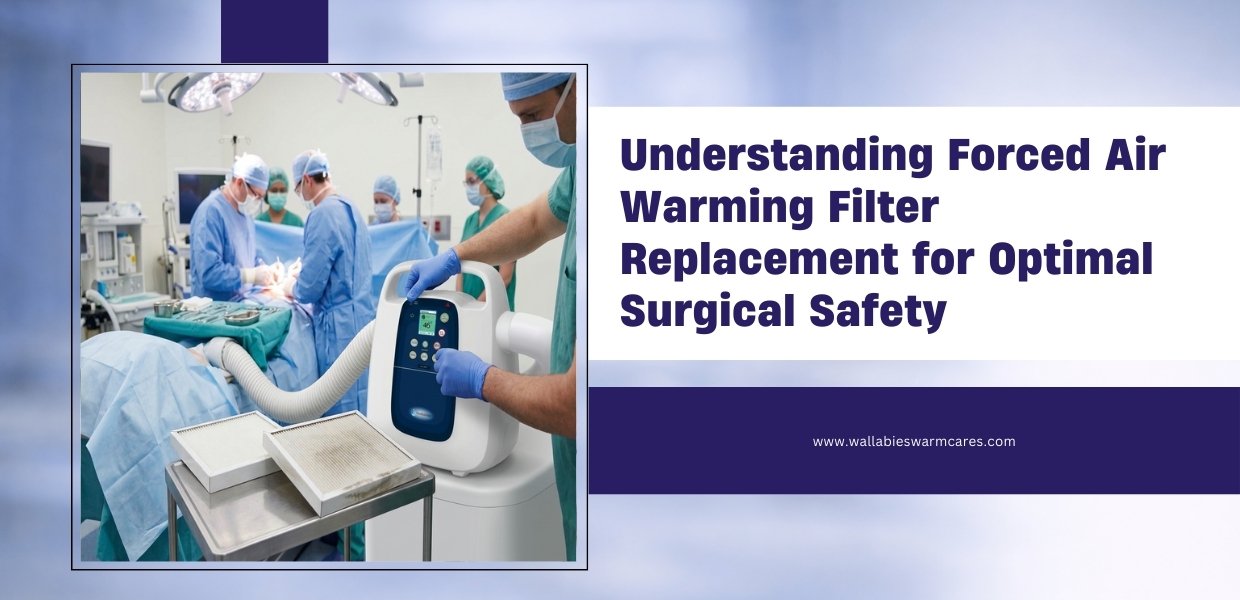
Effective deployment starts with pre-operative assessments to determine the patient’s warming needs. Blankets should be set up to pre-warm patients at least 30 minutes before the surgery, ensuring a stable temperature is reached before anesthesia. Continuous monitoring should be conducted throughout the procedure to adjust heating as necessary.
Special Considerations for Pediatric and Geriatric Patients
Pediatric and geriatric populations often have unique needs when it comes to temperature management. Special attention should be given to the thinner skin of pediatric patients that may require lighter settings, alongside ensuring the elderly, who often have difficulty regulating body heat, receive adequate warming prior to, during, and post-surgery.
The use of best practices for patient warming ensures that vulnerable populations receive the highest standard of care, thus improving their surgical outcomes.
Frequently Asked Questions
Q: Do forced air warming blankets prevent hypothermia in surgeries?
Yes, studies show they significantly reduce the incidence of hypothermia, leading to improved surgical outcomes.
Q: What are the risks of using warming blankets?
While effective, there are concerns about infection if not properly maintained. Following hygiene protocols greatly mitigates this risk.
Q: What are the best practices for using warming blankets in surgery?
Following manufacturer guidelines and CDC recommendations is crucial for effective and safe usage of warming blankets during surgical procedures.
Q: How long should warming blankets be used during surgery?
Typically, they should be applied before and maintained throughout the surgical procedure to ensure optimal warming.
Q: Can warming blankets be used in all types of surgeries?
They are recommended for most surgical procedures, with specific considerations for certain patient populations such as pediatrics and geriatrics.
Conclusion
Forced air warming blankets are essential in reducing surgical hypothermia risks and enhancing patient safety. Understanding their underlying technology and clinical applications empowers surgical teams to leverage these tools effectively. With proper protocols and best practices, healthcare professionals can ensure optimal outcomes in patient care.
Download our comprehensive guide on enhancing surgical safety with warming technologies, and embrace evidence-backed practices with forced air warming blankets to maximize patient safety and care quality.