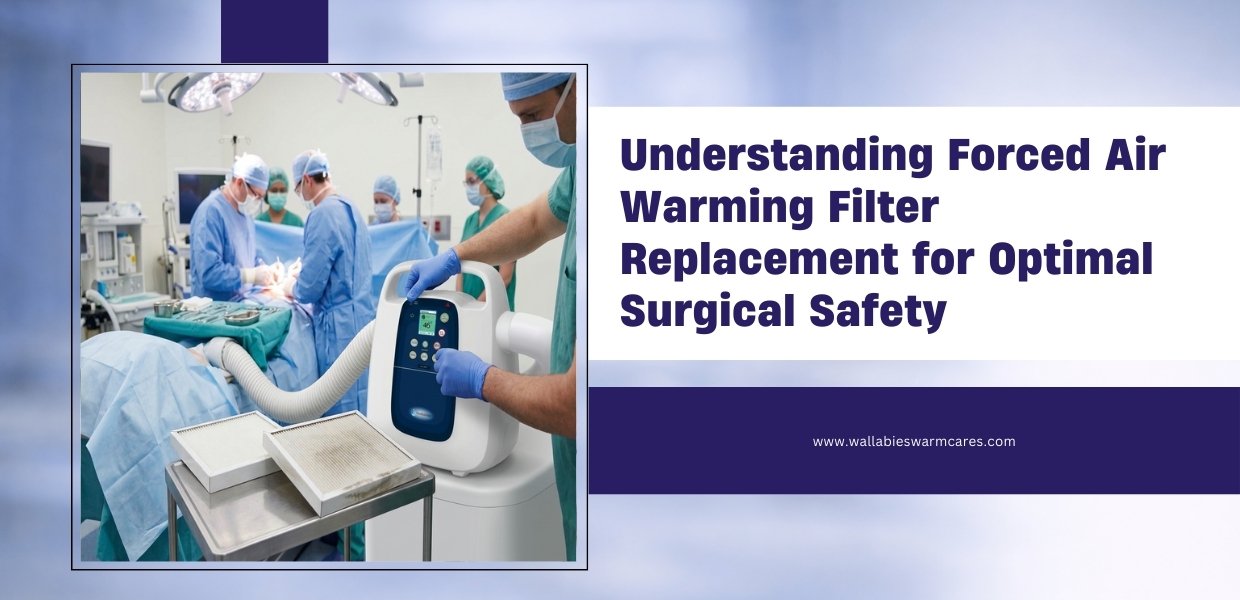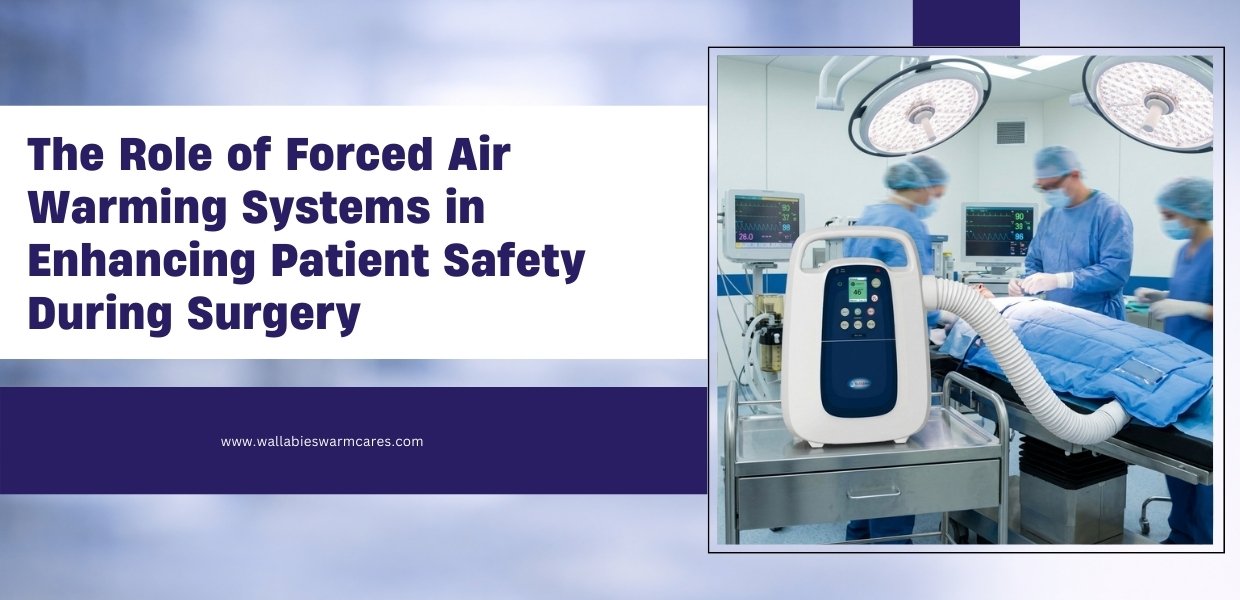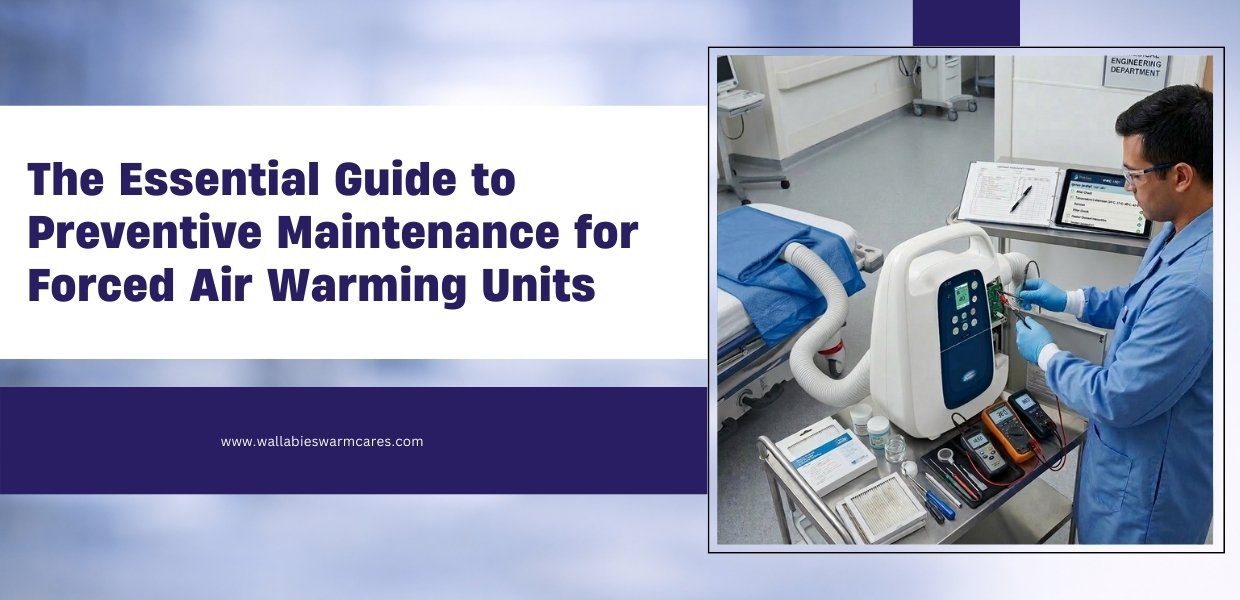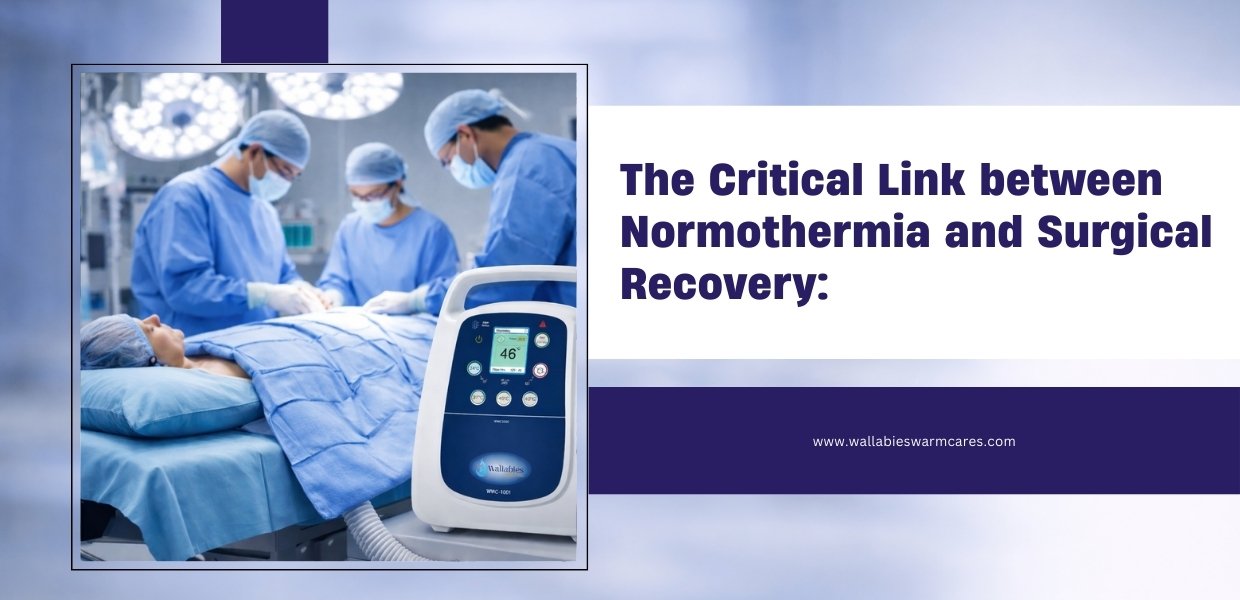
In operating rooms, maintaining patient normothermia is critical; yet, many healthcare professionals encounter challenges with traditional warming methods. Hypothermia during surgery can lead to surgical complications, prolonged recovery times, and increased hospital stays, raising questions about the efficacy and safety of existing warming technologies. This comprehensive guide will explore the effectiveness, safety features, and user experiences of forced air warming systems, helping healthcare professionals make informed decisions.

Table of Contents
- Effectiveness of Forced Air Warming Systems in Surgical Procedures
- Critical Safety Features of Forced Air Warming Units
- User Experiences and Reviews of Forced Air Warming Systems
- Comparison of Different Forced Air Warming Devices
- Emerging Trends in Patient Temperature Management Technology
- Frequently Asked Questions
- Conclusion
- Related Resources
Effectiveness of Forced Air Warming Systems in Surgical Procedures
Forced air warming systems have emerged as a cornerstone in maintaining normothermia during surgical procedures. Their effectiveness hinges on a few key mechanisms and substantial clinical data.
Mechanism of Forced Air Warming
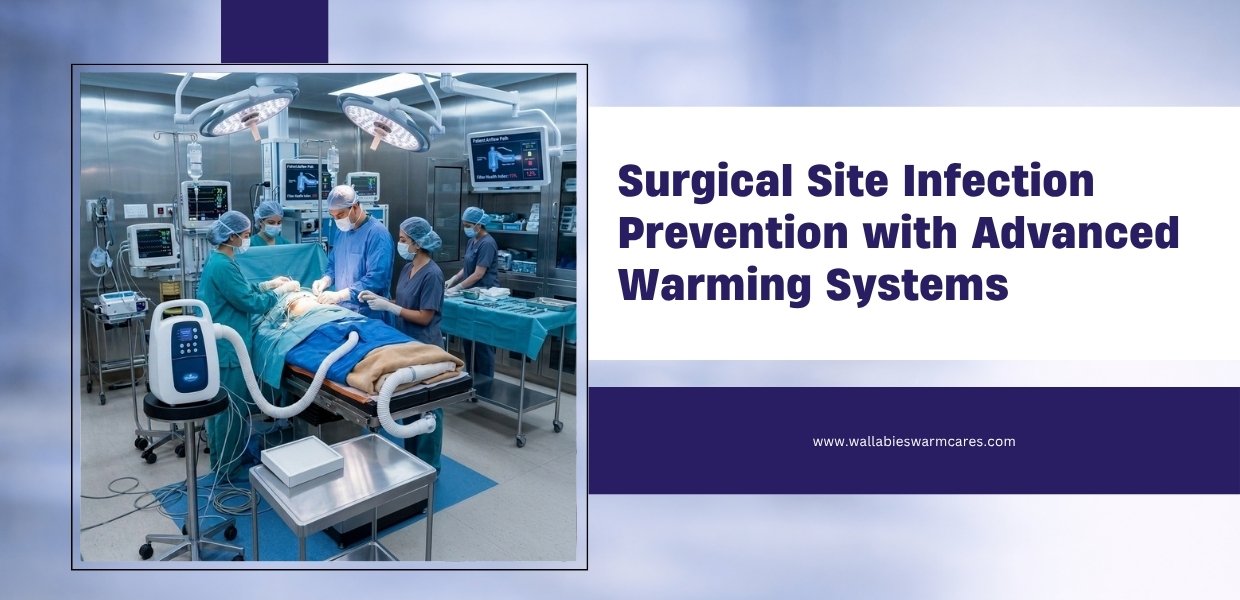
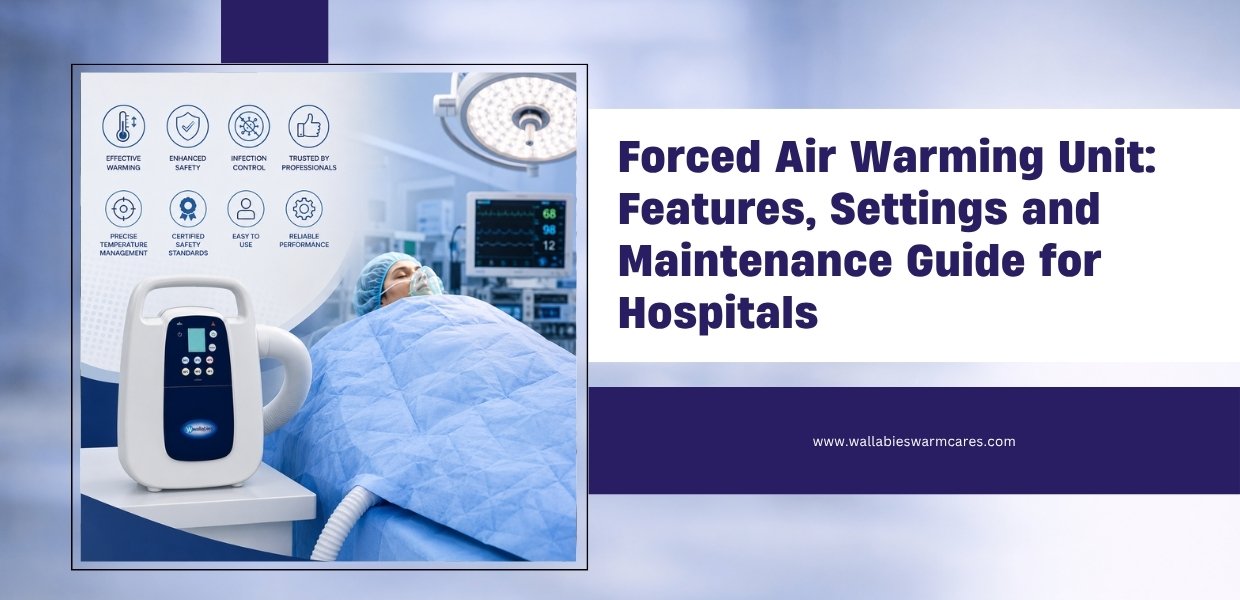
The fundamental operation of a forced air warming system involves warm air being blown over the patient’s body, typically through a specialized blanket that houses the heated air. This technique utilizes convection to gradually raise the patient’s skin temperature.
Heat transfer occurs as warm air circulates, ensuring uniform temperature distribution across the body’s surface. Studies show this method is effective in reducing the incidence of intraoperative hypothermia, as it optimally maintains a constant temperature necessary for surgical success.
According to a study published by the National Institutes of Health, forced air warming systems are superior in maintaining normothermia compared to traditional methods (source: NIH). This evidence bolsters healthcare practitioners’ confidence in adopting these systems during procedures.
Statistical Evidence for Efficacy
Clinical trials consistently reveal that forced air warming systems significantly prevent intraoperative hypothermia. A comprehensive review of the literature produced by Oregon Health & Science University indicates that the incorporation of these devices results in improved patient outcomes, such as shorter recovery times and reduced hospital stays (source: OHSU).
Among recent studies, a trial demonstrated a clear correlation between the use of forced air warming and decreased hypothermia rates, identifying a decreased average drop in body temperature during operations. These findings affirm that when utilized correctly, forced air warming systems are effective in maintaining normothermia and enhancing surgical safety.
Critical Safety Features of Forced Air Warming Units
While effectiveness is paramount, safety features in forced air warming units cannot be overlooked. These systems must comply with rigorous safety certifications to ensure patient protection.
Key Safety Certifications to Look For
Each forced air warming system must meet specific safety standards. In the U.S., systems like the Bair Hugger must adhere to FDA regulations which are put in place to safeguard both patients and operators.
Notable safety certifications include:
- ISO 13485
- CE Marking in Europe
- Compliance with AORN guidelines
These certifications indicate a commitment to quality and safety, vital in surgical settings (source: FDA).
Comparing Safety Features Across Leading Brands
Healthcare professionals should consider various safety features across popular forced air warming systems, including Bair Hugger, ThermalComfort, and others. Each brand offers distinct benefits, such as:
- Temperature Control: Robust systems that prevent overheating
- Infection Control: Designs minimizing contamination risks
- User-Friendly Interfaces: Ensuring simplicity for healthcare staff
A focused comparison of these safety features can provide insights essential for selecting safe and effective warming devices in clinical settings.
User Experiences and Reviews of Forced Air Warming Systems
User experiences provide critical insights into the practical implications and effectiveness of forced air warming systems.
Compilation of User Testimonials
Healthcare professionals widely recognize the reliability of forced air warming systems in surgical settings. Testimonial reviews from nurses and anesthesiologists highlight advantages including:
- Ease of Use: Many users find these systems straightforward to operate, essential during high-pressure situations.
- Patient Outcomes: A significant percentage report fewer issues with hypothermia post-surgery, enhancing overall patient recovery.
This feedback illustrates the practical benefits of adopting forced air warming technology.
Addressing Concerns and Anti-Testimonials
Despite their benefits, concerns about forced air warming systems exist. Some health professionals cite potential risks such as contamination or improper usage leading to localized overheating. Addressing these concerns involves:
- Training Staff: Ensuring proper usage and safety protocols are adhered to
- Routine Maintenance: Regular checks to confirm equipment safety and cleanliness
Clear guidelines on mitigating these concerns can foster trust in forced air warming systems, enabling their fuller adoption in surgical settings.
Comparison of Different Forced Air Warming Devices
A thorough comparison of the various forced air warming devices available on the market is essential for informed purchasing decisions.
Head-to-Head Comparison of Top Brands
| Feature | Bair Hugger | ThermalComfort | ConvaTec |
|---|---|---|---|
| Temperature Control | Yes | Yes | Yes |
| Infection Control | High | Medium | Low |
| Ease of Use | Excellent | Good | Average |
| Price Range | $2000-$2500 | $1500-$2000 | $1000-$1500 |
Each system has its strengths and weaknesses, where features such as temperature control and infection prevention play critical roles in clinical effectiveness.
Best Practices When Choosing a Device
When selecting a forced air warming system, consider the following:
- Assess Clinical Needs: Determine specific patient care requirements.
- Evaluate Features: Identify systems that offer essential safety and operational features.
- Analyze User Feedback: Consult testimonials from current users.
These best practices can streamline the selection process and enhance patient warming strategies.
Emerging Trends in Patient Temperature Management Technology
With continual advancements in medical technology, exploring emerging trends in temperature management systems is critical.
New Technologies on the Horizon
Research into new forced air warming technologies is generating interest. Innovations may include:
- Smart Sensors: Devices equipped with adaptive technology that adjusts heating based on a patient’s real-time temperature readings.
- Integration with Surgical Tools: Streamlined systems that communicate with other surgical instruments to enhance setting efficiency.
These trends position forced air warming systems at the forefront of technological advancement in healthcare.
Integrating Technology with Patient Care
The integration of advanced technologies with traditional forced air warming systems can drive improved patient outcomes. By leveraging analytics and reporting features, healthcare professionals can monitor patient temperatures more effectively, leading to better management of surgical conditions.
Frequently Asked Questions
Q: How effective are forced air warming systems in preventing hypothermia?
Forced air warming systems have shown high efficacy in maintaining normothermia, as outlined by clinical studies demonstrating reduced hypothermia incidences during surgery.
Q: Are there any safety concerns associated with forced air warming?
While generally safe, some concerns about forced air warming systems include contamination and infection risks, which can be mitigated by proper usage and maintenance.
Q: How does the Bair Hugger system compare to other devices?
Bair Hugger is widely recognized for its effectiveness; however, comparative reviews suggest evaluating features, pricing, and user satisfaction when selecting a device.
Q: How do I properly use and maintain my forced air warmer?
Proper usage entails following manufacturer guidelines; maintenance should include regular checks and cleanings as per safety standards.
Conclusion
In summary, forced air warming systems are vital for preventing hypothermia and enhancing patient safety during surgical procedures. Compliance with safety features and certifications is crucial in guiding healthcare professionals toward the right equipment. As emerging trends in temperature management continue to evolve, these systems represent a reliable solution to enhance surgical success. For further insights into forced air warming technology, contact us to explore our comprehensive range of solutions.
Related Resources
- Forced Air Patient Warming Machine – Explore our advanced warming machines designed for optimal patient care.
- Downloadable Resources – Access our informative brochures and clinical resources.
- Learn About Our Distributors – Find out where to get our products and support.
- Contact Us – Get in touch for more information or assistance.