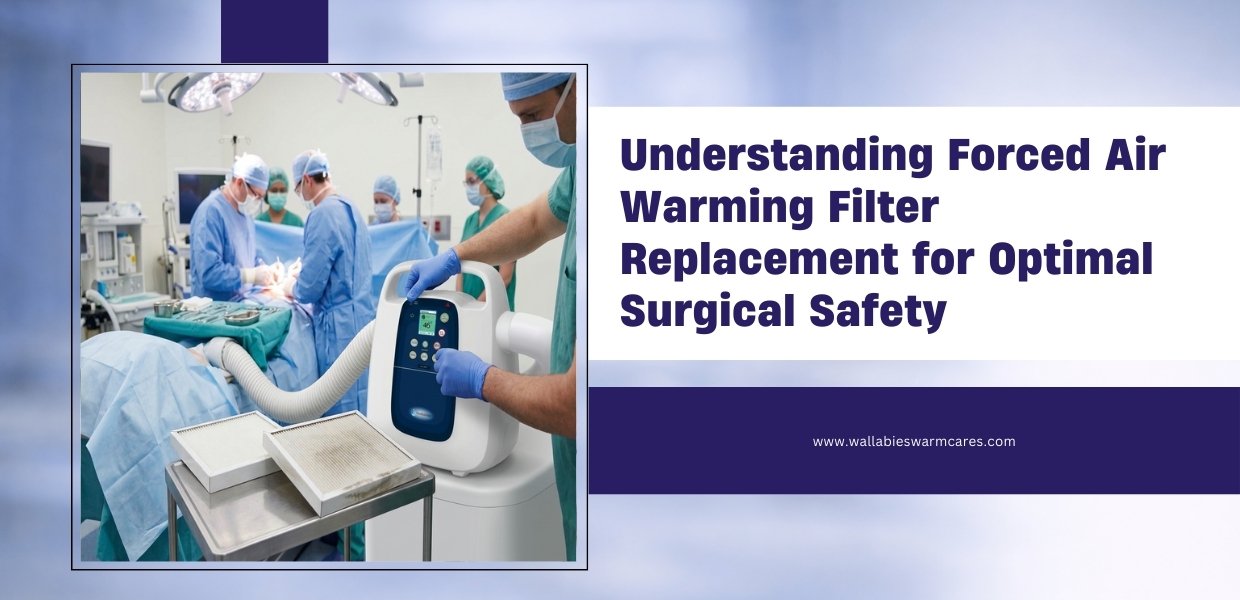
Did you know that improper maintenance of forced air warming systems can compromise surgical outcomes? The effectiveness of surgical procedures heavily relies on maintaining patients’ body temperature. Healthcare professionals often overlook essential maintenance practices for forced air warming filters, potentially endangering patient safety during procedures. This article elaborates on the critical importance of filter replacement, addressing common misconceptions and highlighting regulatory requirements that are frequently missed.
The Role of Forced Air Warming Systems in Surgical Environments
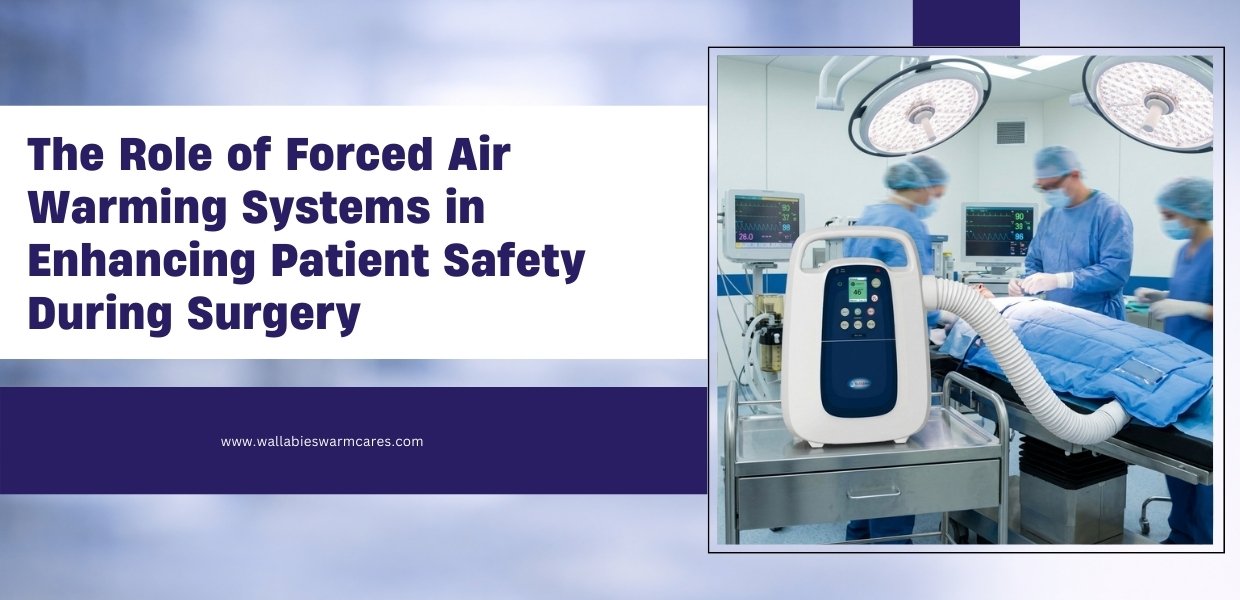
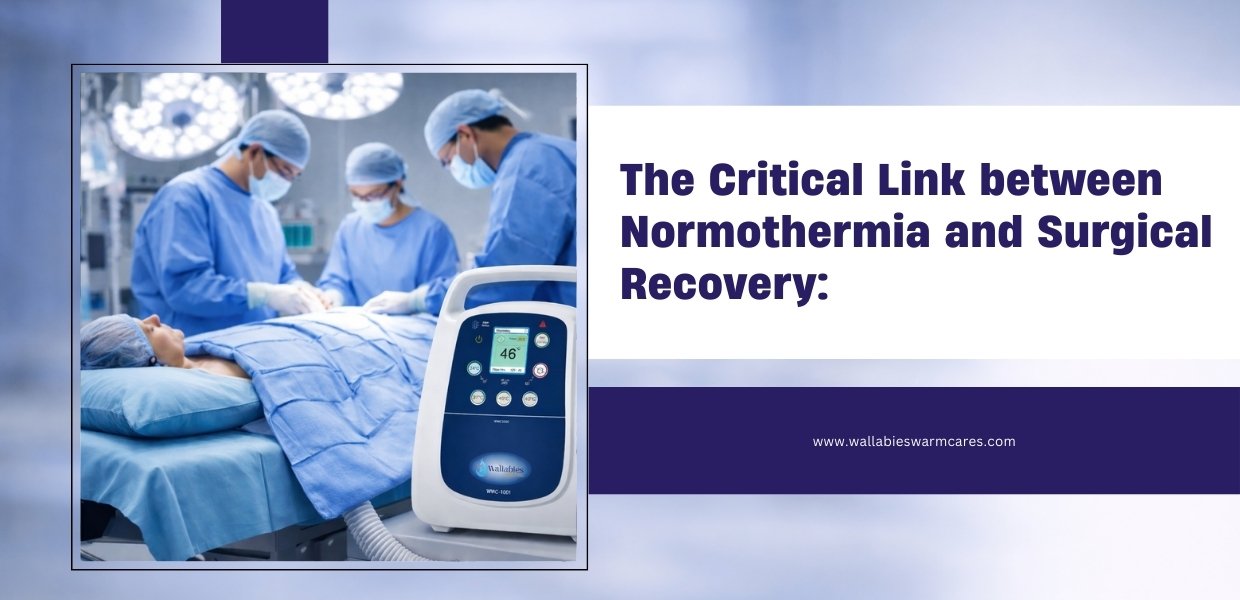
Forced air warming systems are specialized medical devices designed to maintain patients’ body temperatures during surgeries. These systems play a crucial role in patient safety by preventing hypothermia, which can lead to complications such as increased infection risk, longer recovery times, and delayed healing.
How Forced Air Warming Systems Work
These systems operate by blowing warm air through specially designed blankets placed over the patient, ensuring even heat distribution. The components include a warming unit, which generates heated air, and a system of hoses that directs this air to the warming blankets. The effectiveness of forced air warming systems has been supported by extensive research, including a systematic review on forced-air warming systems that highlights their impact on maintaining normothermia during surgery. Companies like Wallabies Warm Care play an essential role in implementing these systems in surgical settings, ensuring the highest standards of patient safety.
Benefits of Using Forced Air Warming Systems
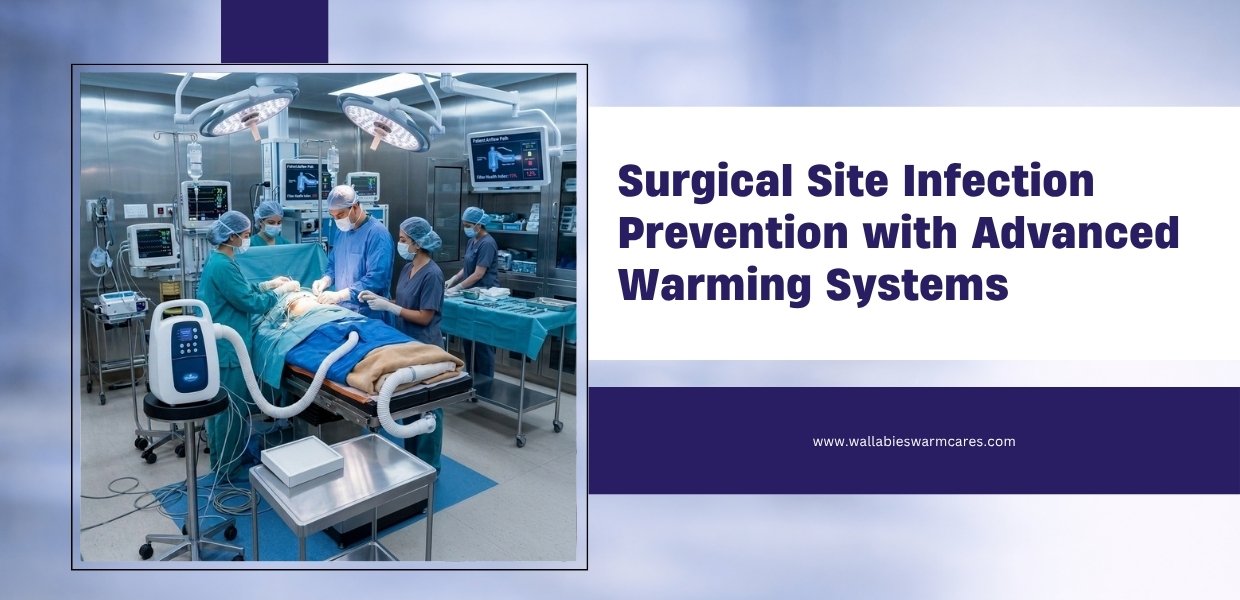
Maintaining surgical temperature through forced air warming systems offers numerous benefits. These include reduced risk of surgical site infections, enhanced patient comfort, and improved overall surgical outcomes. The evidence is clear: proper temperature management is a vital aspect of infection control and patient satisfaction within the surgical environment.
Comparative Analysis of HEPA vs. Bacterial Filters
Choosing the right type of filter for your forced air warming system is essential for maintaining air quality and optimizing surgical safety.
Understanding HEPA Filters in Surgical Environments
HEPA (High-Efficiency Particulate Air) filters are designed to capture at least 99.97% of particles that are 0.3 microns in size. This includes a range of harmful pathogens, making them indispensable in surgical environments. Their effectiveness is backed by information from the U.S. EPA about HEPA filters, which outlines their critical role in maintaining clean air in healthcare facilities.
The Role of Bacterial Filters
Bacterial filters serve a different yet complementary purpose, capturing bacteria and larger particulate matter. They are essential in scenarios where infection control is paramount. The specific characteristics that make them suitable for surgical use include high filtration efficiency and a low resistance to airflow, minimizing any impact on the forced air warming system’s performance. Understanding the benefits of both HEPA and bacterial filters can greatly enhance air quality and patient safety.
Best Practices for Forced Air Warming Filter Maintenance and Replacement
To ensure optimal performance of forced air warming systems, healthcare professionals must adopt best practices for filter maintenance and replacement.
Recommended Maintenance Intervals
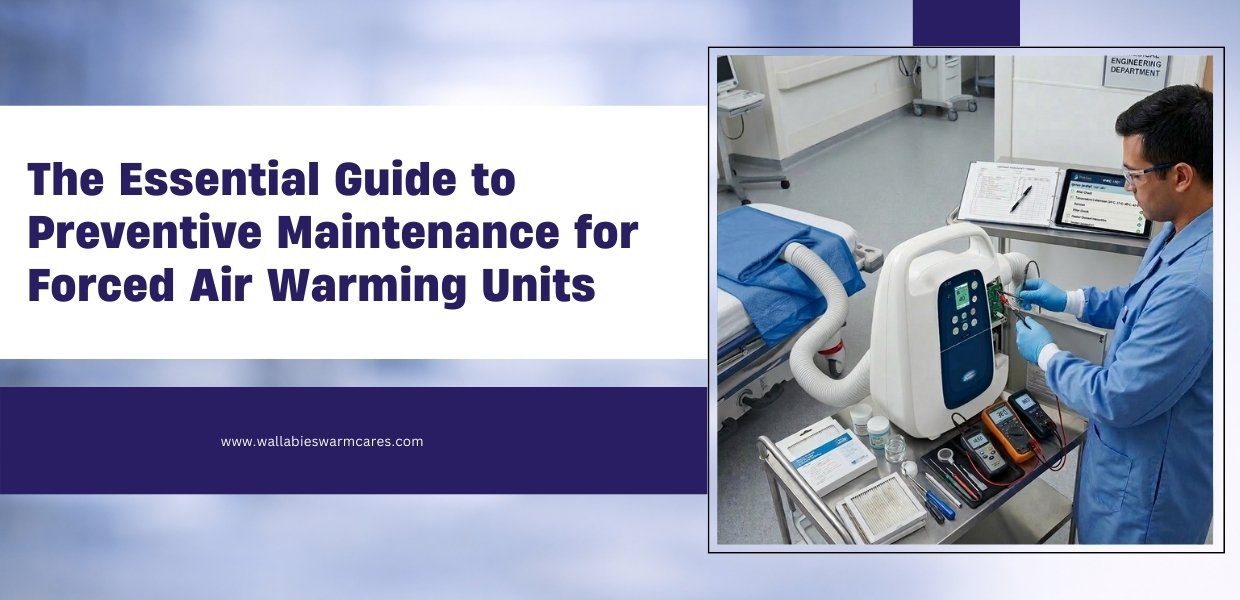
Regular maintenance is key to ensuring forced air warming systems function correctly. A replacement schedule typically suggests filter changes every 6-12 months, depending on usage intensity and patient safety protocols. Keeping a strict timeline helps maintain both the efficacy of the system and compliance with surgical standards.
Common Maintenance Mistakes to Avoid
Healthcare facilities frequently make mistakes in filter upkeep, such as neglecting to replace filters on time or using incorrect types of filters. These errors can lead to significant consequences, including increased infection rates and compromised patient safety during surgical procedures. Following the CDC guidelines for environmental infection control is essential for avoiding such pitfalls. Additionally, resources from Wallabies Warm Care provide comprehensive guidelines on maintaining surgical safety.
The Impact of Filter Changes on Infection Rates and Compliance
Timely filter replacement is not only a best practice but is crucial for reducing infection rates and meeting regulatory compliance.
Evidence Linking Filter Changes to Lower Infection Rates
Research has consistently shown a direct correlation between effective filter management and improved patient outcomes. Studies indicate that hospitals implementing rigorous filter change protocols see significantly lower infection rates, highlighting the essential role of air quality in surgical environments.
Navigating Compliance with Healthcare Regulations
Healthcare providers must adhere to numerous regulations that dictate filter maintenance practices. Non-compliance can lead to increased legal and financial liabilities. Understanding these healthcare regulations is critical in establishing a culture of safety and compliance within medical facilities.
Frequently Asked Questions
Q: How often should forced air warming filters be changed?
Filters should generally be replaced every 6-12 months, but this can vary based on usage and regulatory requirements. Regular checks and adherence to maintenance schedules ensure optimal functionality of the system.
Q: What are the dangers of not maintaining forced air warming filters?
Neglecting filter maintenance can increase infection rates and compromise patient safety during surgical procedures. Inadequate air quality management can lead to greater patient discomfort and poorer surgical outcomes.
Q: Are HEPA filters necessary in surgical environments?
Yes, HEPA filters are crucial for maintaining air quality and reducing airborne contaminants in surgical settings, aligning with best practices for patient safety.
Q: Where can I buy forced air warming filters?
There are various vendors online, including specialized medical supply companies that provide high-quality forced air warming filters. Be sure to select filters from reputable manufacturers to ensure compliance and effectiveness.
Conclusion
Appropriate maintenance of forced air warming filters is critical for surgical safety and infection prevention. Regular replacement schedules can significantly improve patient outcomes and ensure compliance with healthcare regulations. Understanding the differences between HEPA and bacterial filters can guide better decision-making for surgical settings. For more information on air warming systems and to explore our range of filters, visit Wallabies Warm Care. Ensure patient safety through diligent maintenance of forced air warming systems to foster optimal surgical outcomes.