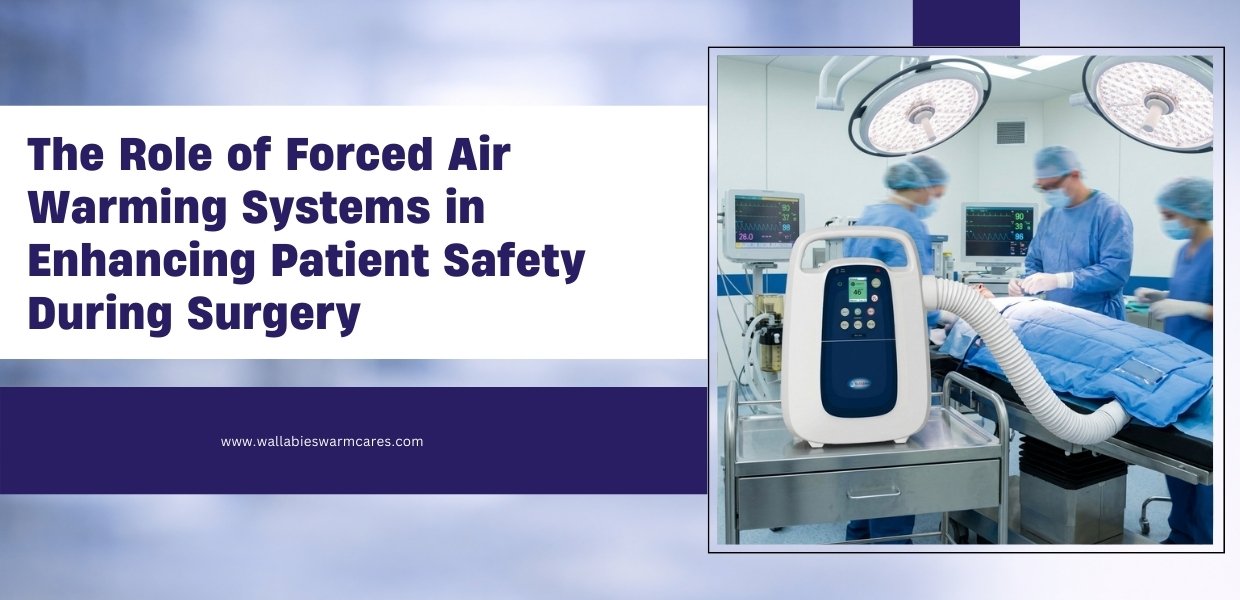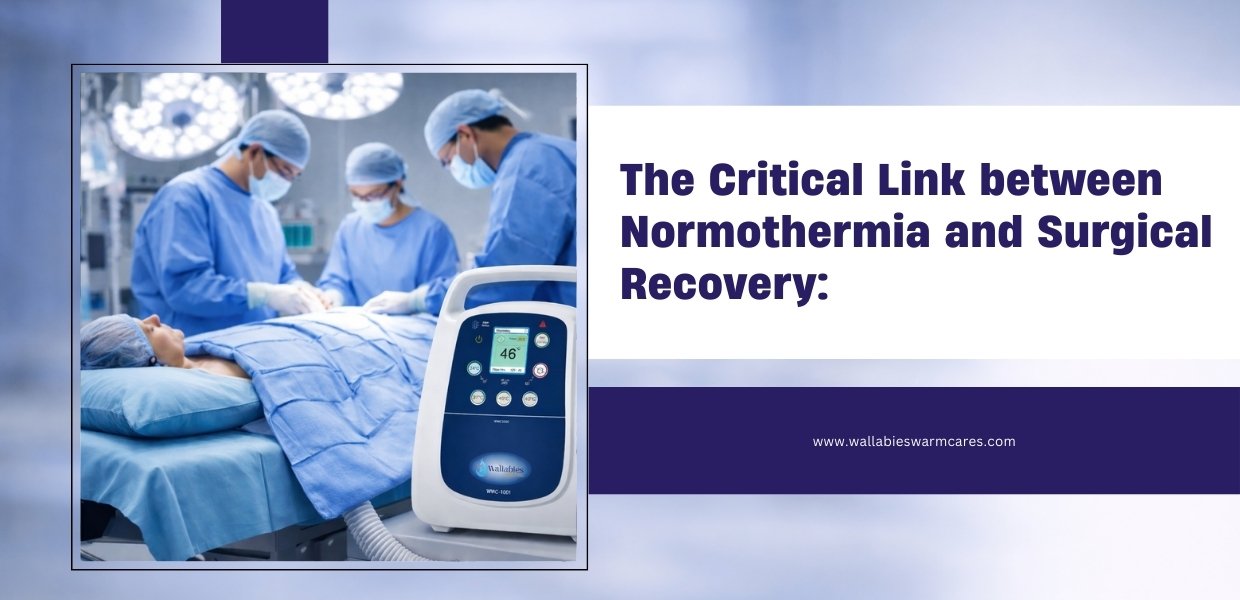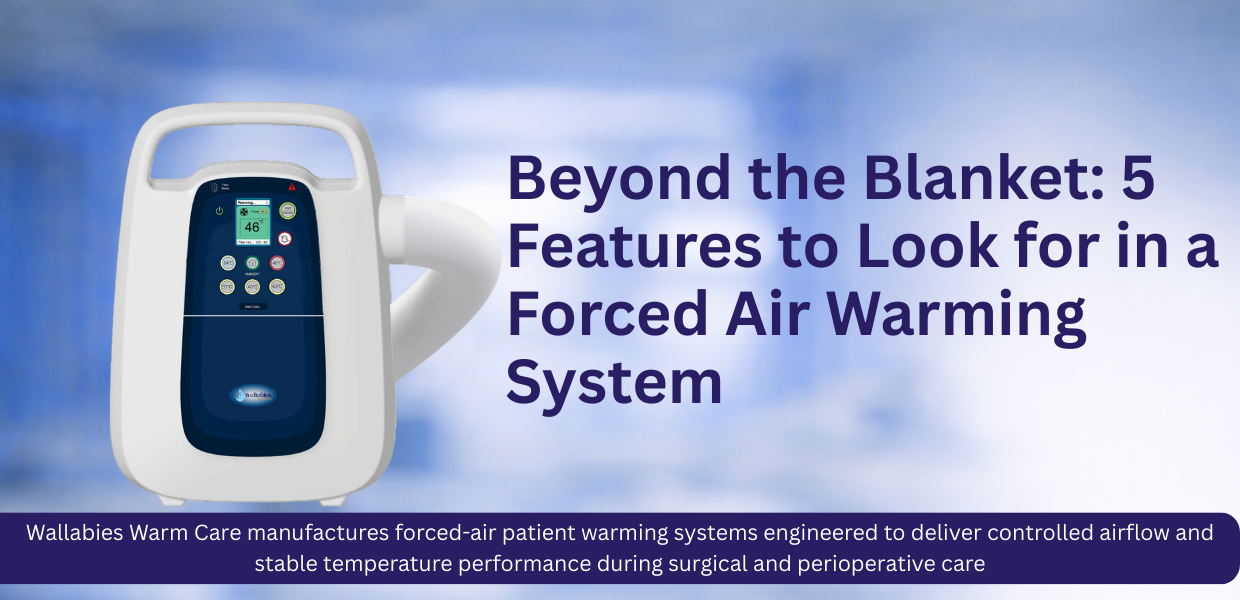
With up to 70% of surgical patients experiencing perioperative hypothermia, what’s holding back the adoption of patient warming systems? Misconceptions regarding the effectiveness and safety of patient warming systems persist, limiting their usage in surgical settings. This article will dispel prevalent myths, highlight evidence-based benefits, and outline best practice applications in surgical care.

Table of Contents
- Unpacking Common Myths Surrounding Patient Warming Systems
- Evidence Linking Patient Warming to Improved Surgical Outcomes
- Best Practices for Implementing Patient Warming Systems
- Addressing Concerns About Overheating in Patient Warming
- Frequently Asked Questions
- Conclusion
- Related Resources
Unpacking Common Myths Surrounding Patient Warming Systems
Misunderstandings about patient warming systems have led to hesitance in their adoption despite their proven effectiveness in enhancing surgical outcomes. Here, we will unpack and debunk some of the most common myths about patient warming to clarify their importance in surgical settings.
Myth 1: Patient Warming Increases Bleeding Risk
One common myth is that warming patients can lead to an increased risk of bleeding during surgery. However, studies have disproven this notion. Evidence indicates that maintaining normothermia actually supports clotting mechanisms and reduces bleeding during surgical procedures. According to the Journal of Perioperative Nursing, warming patients not only helps in maintaining body temperature but contributes to better surgical outcomes, including decreased blood loss during operations. It’s vital to recognize that the benefits of patient warming far outweigh the misconceptions surrounding bleeding risks.
Myth 2: Warming Devices Compromise Sterility
Another prevalent misconception is that warming devices compromise surgical sterility. Modern warming technologies are designed to ensure that sterility is upheld during surgery. Guidelines established by the Centers for Disease Control and Prevention (CDC) support the use of warming blankets and forced-air systems, confirming their safety in sterile environments. Peer-reviewed studies, such as those available via the NIH, substantiate these claims by demonstrating that patient warming systems can effectively minimize hypothermia without raising the risk of infection.
Evidence Linking Patient Warming to Improved Surgical Outcomes
The benefits of patient warming extend beyond mere temperature regulation; they can significantly impact surgical outcomes. An abundance of research indicates that effective patient warming reduces postoperative complications, and here are some key points.
The Science of Normothermia
Maintaining normothermia is essential for optimal physiological function. Hypothermia during surgical procedures is linked with increased risk of complications, including delayed recovery and heightened infection rates. Studies have shown a direct correlation between the management of body temperature and a reduction in these surgical risks. As supported by an evidence brief from Oregon Health & Science University, keeping patients warm not only promotes recovery but minimizes adverse outcomes significantly.
Real-World Case Studies of Patient Warming Effectiveness
Numerous surgical teams have adopted patient warming systems with demonstrable success. For instance, after implementing forced-air warming in a mid-sized hospital, surgical teams observed that patient complication rates significantly decreased. Such real-world examples confirm the effectiveness of these systems, showcasing how they can lead to better patient safety and satisfaction in surgical settings. By integrating warming systems, healthcare providers can truly enhance surgical care standards.
Best Practices for Implementing Patient Warming Systems
Understanding the value of warming systems is one aspect; effectively implementing them is another. Here, we delve into best practices for utilizing these systems within surgical settings.
Protocols for Using Warming Systems
Developing consistent and effective protocols for patient warming is crucial. Guidelines should begin with an initial assessment to determine the patient’s risk for hypothermia. Continuous monitoring during surgical procedures is paramount. Integrating warming systems into surgical routines involves ensuring all surgical teams are well-rested on protocols for using these devices, especially in complex surgeries. Reliable resources provide detailed steps for integration, ensuring that warming procedures are seamlessly introduced into operative settings.
Training and Staff Education
Proper training for surgical staff is essential for the safe use of warming devices. Training programs should emphasize the effectiveness and operational protocols surrounding patient warming systems. Workshops focused on evidence-based practices can further equip healthcare providers with the knowledge they need to employ these technologies confidently. For more information about training resources, visit our training resources page.
Addressing Concerns About Overheating in Patient Warming
Despite the benefits, concerns about overheating continue to create hesitation amongst healthcare professionals. Providing accurate information regarding these fears is essential.
Clarifying Thermoregulation Misunderstandings
Understanding thermoregulation in surgical patients is vital. Modern warming systems are equipped with safeguards to prevent overheating, which is a common patient concern. By incorporating advanced monitoring technologies, these devices allow healthcare providers to meticulously track a patient’s temperature, preventing overheating and promoting a better understanding of patient care during surgery.
Evidence Supporting Safe Temperature Management
Research confirms the safety of contemporary warming practices. Multiple studies and testimonials from healthcare providers affirm that with the proper application of warming systems, patients are kept within safe thermal ranges, adequately managed throughout their surgical experience. These findings eliminate the fears no matter how prevalent they’ve become, reinforcing the need for educational resources and data-driven practices in patient warming.
Frequently Asked Questions
Q: Do patient warming systems really improve surgical outcomes?
Yes, studies have shown that maintaining normothermia during surgery can significantly reduce complications such as bleeding and infection, enhancing overall patient safety.
Q: What are the common myths about patient warming?
Common myths include concerns about increased bleeding risk and sterility compromise, both of which are debunked by scientific evidence.
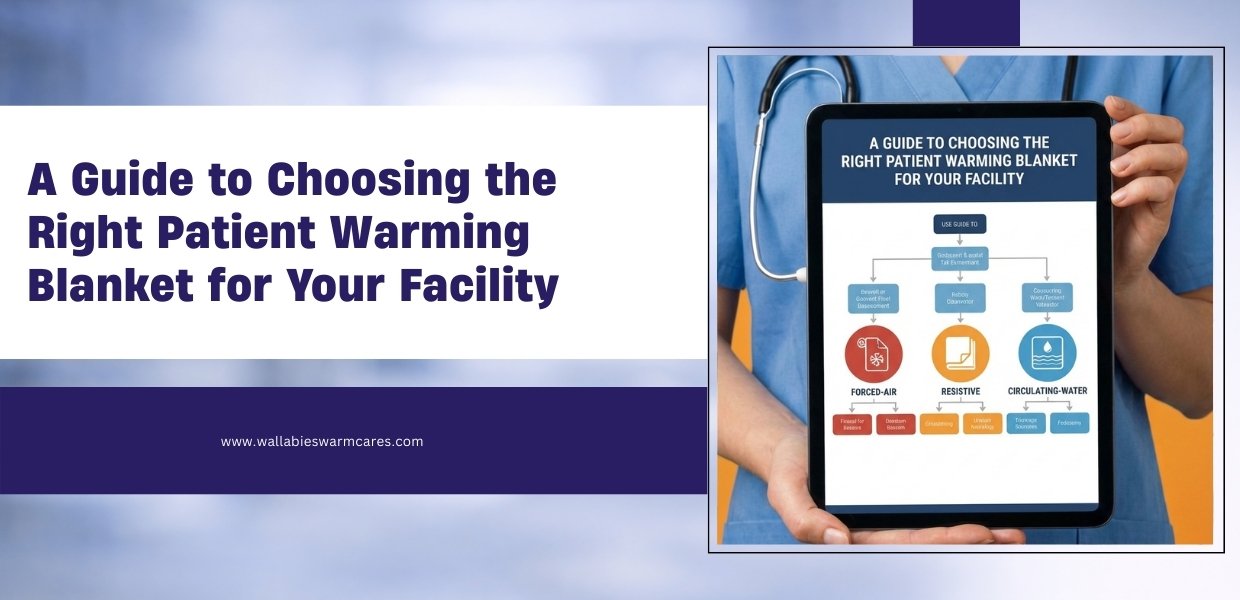
Q: How do I choose the right patient warming system for my facility?
When selecting a warming system, consider factors such as efficacy, safety features, and ease of integration into existing protocols. It’s advisable to review recent studies and expert recommendations.
Q: Are there best practices for using patient warming devices?
Best practices involve initial patient assessment, continuous monitoring during surgery, and training for all involved staff to ensure proper usage of the warming devices.
Conclusion
Patient warming systems are essential for effective surgical care and improving patient outcomes. By debunking the myths surrounding these systems, healthcare professionals can foster wider acceptance, leading to greater implementation in surgical teams. Cultivating best practices will maximize the benefits while safeguarding patient welfare. To enhance your surgical protocols, explore our full suite of resources designed to educate on patient warming solutions. Understanding the facts about patient warming systems is vital for transforming surgical safety and improving standards of care.
Related Resources
- Request Training Resources – Learn more about training programs available for surgical staff on patient warming systems.
- Wallabies Warm Care Home – Explore products and solutions for patient warming systems.