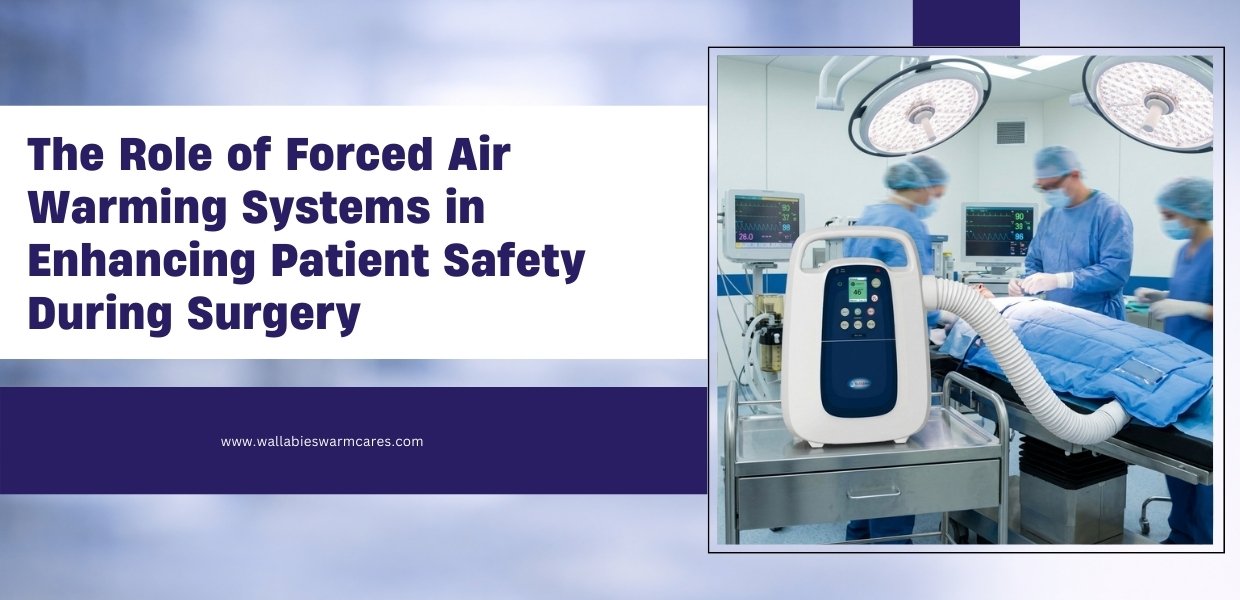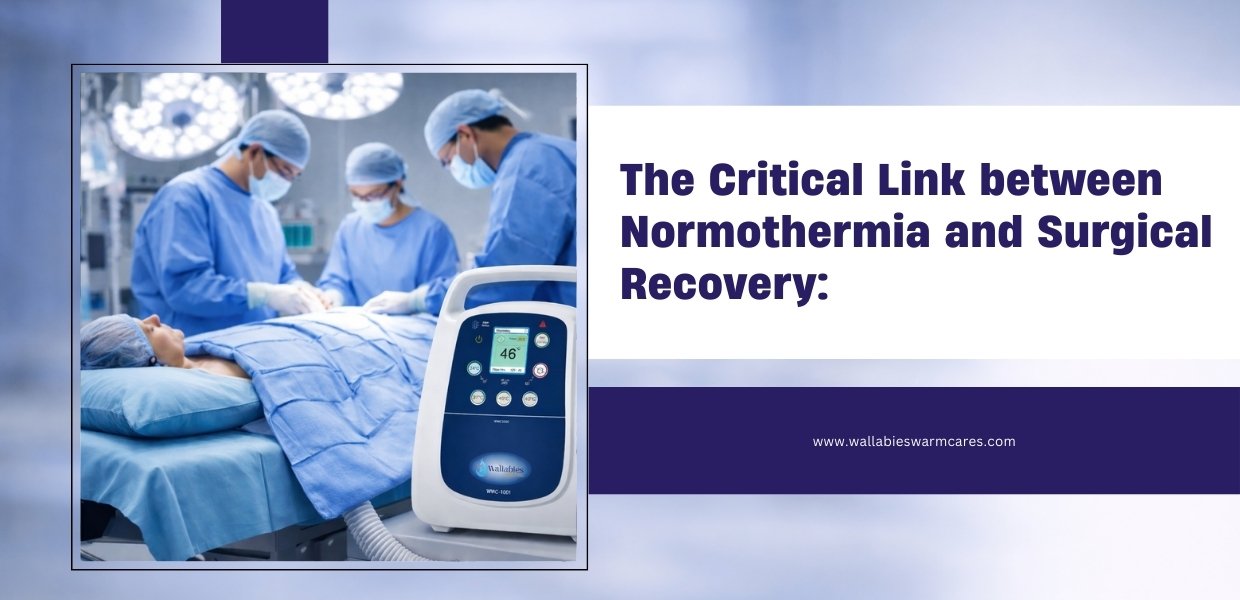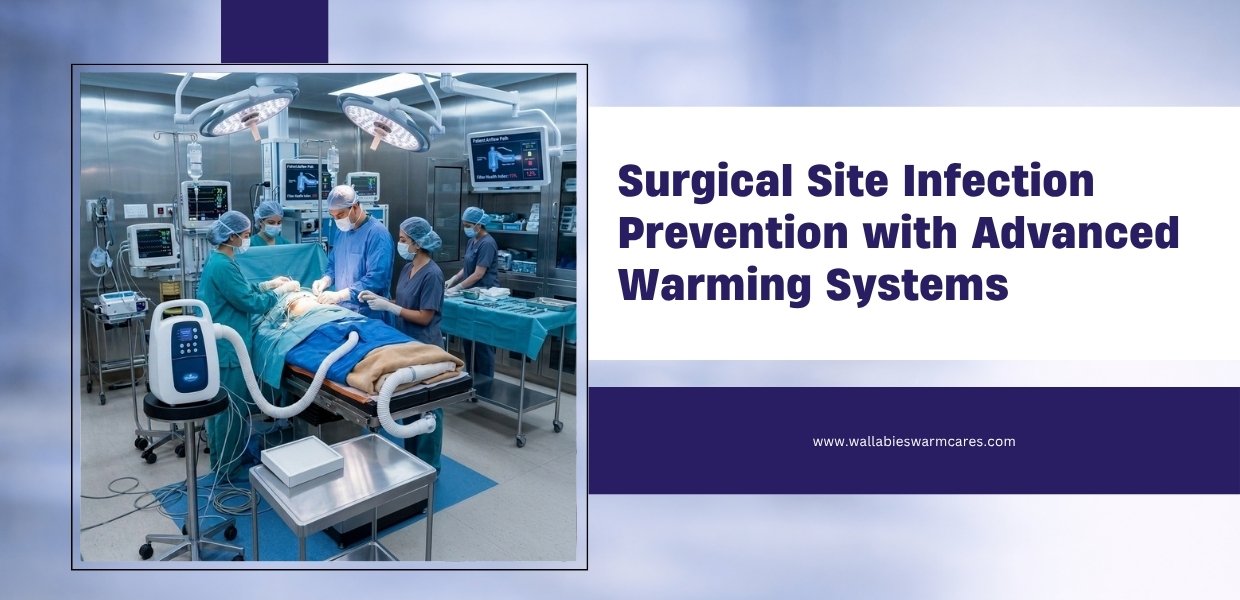
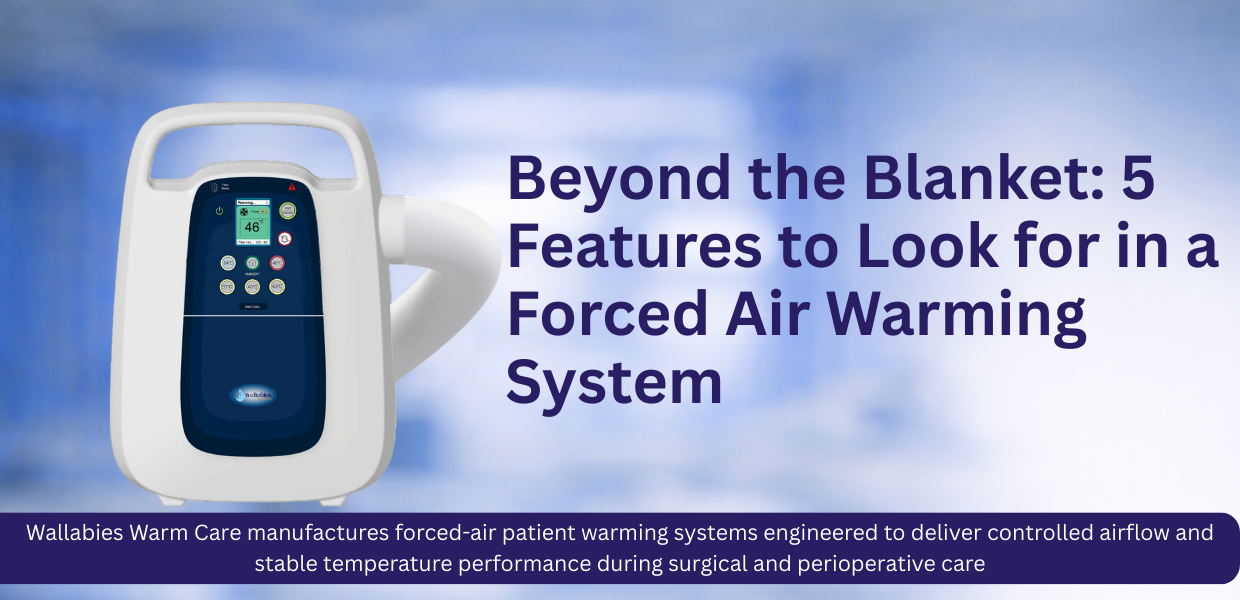
Maintaining normothermia has become a non-negotiable standard in surgical care. But while much of the focus falls on the blanket at the surface, the true precision of thermal management happens inside the warming unit of a forced air patient warming system.
To ensure patient safety and clinical success, we must look beyond the fabric and evaluate the sophisticated technology powering the system. Whether selecting a forced warm air heating system or evaluating advanced surgical patient warming devices, here are the five essential features a forced air warming unit needs to deliver precise, sterile, and high-performance care.
1) Precise & Consistent Temperature Control:
Maintaining patient normothermia is critical throughout surgical and recovery procedures. A high-quality forced air patient warming system should deliver precise, stable temperature control with consistent airflow. Accurate heat delivery helps prevent perioperative hypothermia, reduces complications, and supports better clinical outcomes across all stages of care. For hospitals aiming to invest in the best patient warming system for surgery, temperature precision remains the most critical performance indicator.
2) HEPA Filtration & Infection Control:
Infection prevention is a top priority in any healthcare setting. Because a forced warm air heating system involves circulating air near the surgical site, the unit must act as a barrier against contaminants rather than a source of them. Effective filtration is essential to support hospital infection control protocols and ensure patient safety.
- The Tech Edge: Prioritise units equipped with a 0.2-micron double-layer HEPA filter. Meeting the MERV 14 standard, these high-efficiency filters significantly reduce airborne particles and microorganisms, ensuring the air delivered through the forced air patient warming system remains clean and sterile.
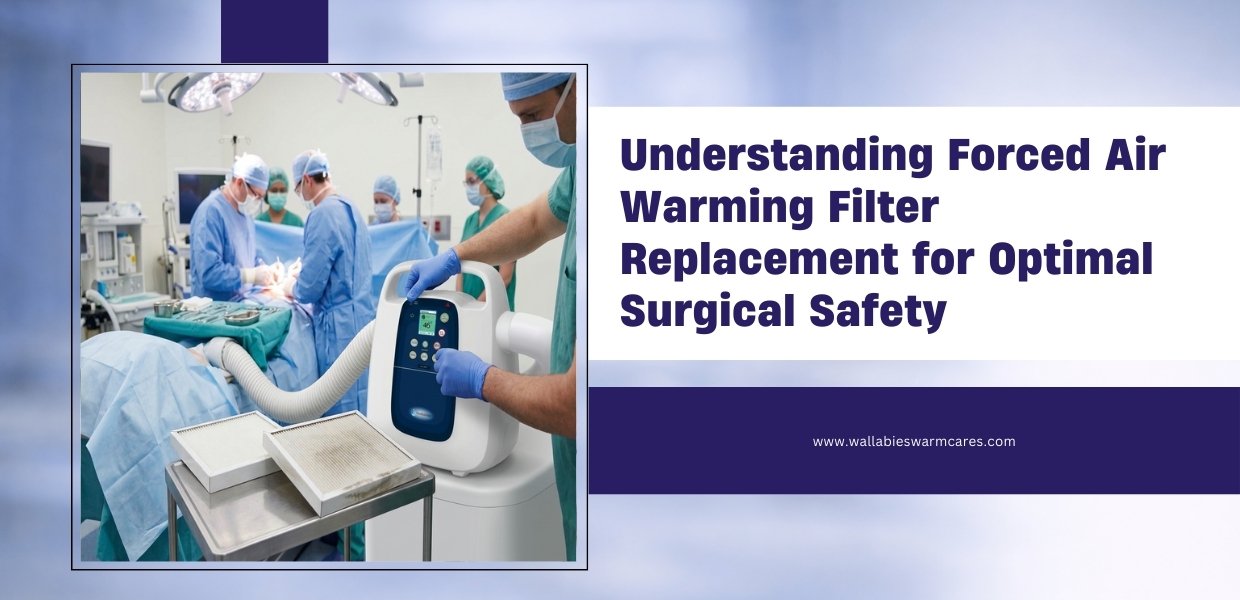
- Maintenance Alerts: To maintain peak performance, look for units that include a filter hour meter. This allows clinical staff to track the 1,000-hour filter life accurately, providing timely alerts for replacements and guaranteeing that the system never operates with a compromised filter—an essential feature in modern surgical patient warming devices.
3) Ease of Use & Workflow Efficiency:
In fast-paced clinical environments, equipment must be intuitive to ensure that clinical staff can focus on patient care rather than equipment management. To optimise workflow efficiency, look for a forced air patient warming system designed for simplicity and versatility:
- Seamless Integration: Prioritise units with straightforward controls, quick setup, and universal blanket compatibility. This ensures a “plug-and-play” experience across different surgical procedures and departments, making it suitable for facilities seeking the best patient warming system for surgery.
- Versatile Mounting & Portability: Look for “Fixation Designs” that offer multiple mounting options, such as bedside hooks or aluminum alloy infusion rack hooks, improving usability across various clinical settings where surgical patient warming devices are required.
.
4) Durability, Reliability & Cost Efficiency:
A forced-air patient warming system is a long-term investment. Durable construction and reliable performance are essential for daily clinical use. Systems designed for low maintenance, long service life, and efficient operation help reduce downtime and overall cost of ownership while delivering consistent performance. When evaluating a forced warm air heating system, hospitals should prioritise reliability to ensure uninterrupted surgical support.
5) Compliance with Global Safety Standards:
Confidence in medical equipment is built on a foundation of international certification. When selecting a warming solution, ensure the forced air patient warming system meets the latest regulatory benchmarks, such as IEC 60601-1:2020 and IEC 60601-1-2:2020 for basic safety and electromagnetic compatibility.
Adherence to global quality standards, including BSI ISO 13485:2016 and CE Certification, verifies that the device is manufactured to the highest safety requirements. These certifications ensure dependable performance and safe operation for healthcare providers across diverse clinical environments using advanced surgical patient warming devices.
The Right Warming Solution Matters
The right forced air patient warming system does more than provide heat—it supports patient safety, clinical efficiency, and comfort at every stage of care. By focusing on temperature control, infection prevention, ease of use, and long-term reliability, healthcare providers can confidently choose the best patient warming system for surgery that aligns with clinical standards.
At Wallabies Warm Cares, we believe warming solutions should be safe, reliable, and designed with real clinical needs in mind—because patient comfort should never be an afterthought.