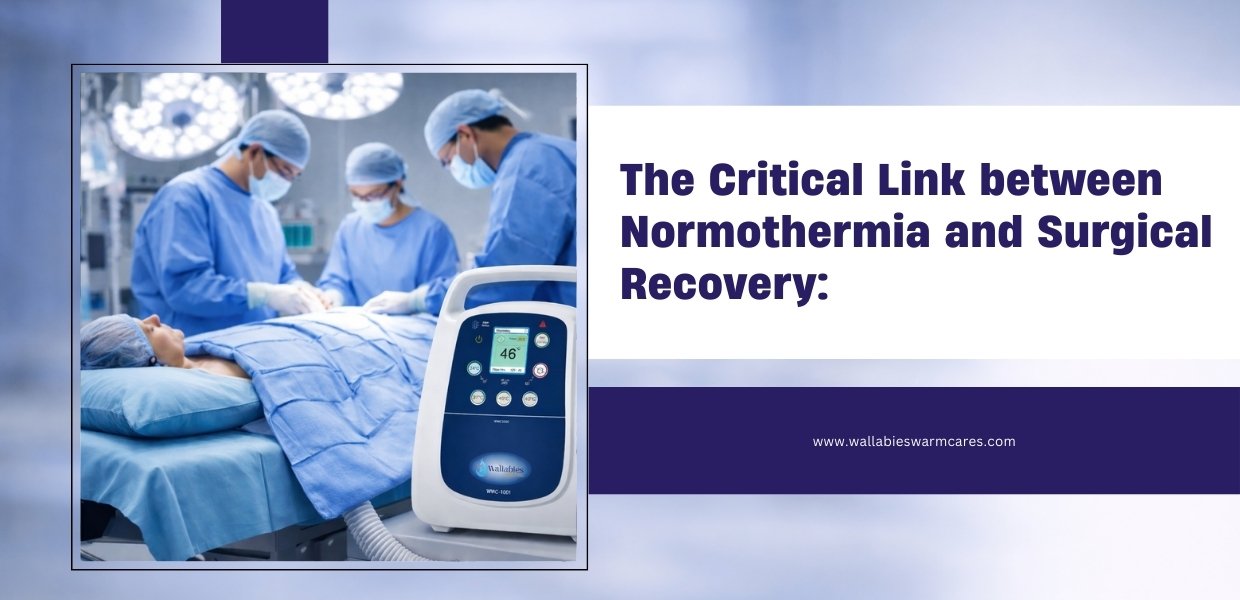
Maintaining normothermia during surgery is critical, as poor patient warming can lead to serious complications, including increased risks of infection and lengthy recovery times. According to the American Society of Anesthesiologists, hypothermia can complicate surgical treatments and even prolong hospital stays. Therefore, understanding the methods of patient warming, including the use of the Bair Hugger, is essential for healthcare professionals in surgical environments. This article explores both the effectiveness and risks of the Bair Hugger, along with comparative insights on alternatives and best practices for safe use.

Table of Contents
- Clinical Effectiveness of the Bair Hugger in Maintaining Normothermia
- Potential Infection Risks Associated with Bair Hugger
- Bair Hugger vs Passive Warming Systems: A Comparative Analysis
- Best Practices for Using the Bair Hugger
- Real-World Case Studies and Patient Testimonials
- Emerging Trends in Surgical Warming Technologies
- Frequently Asked Questions
- Conclusion
- Related Resources
Clinical Effectiveness of the Bair Hugger in Maintaining Normothermia
How the Bair Hugger Works
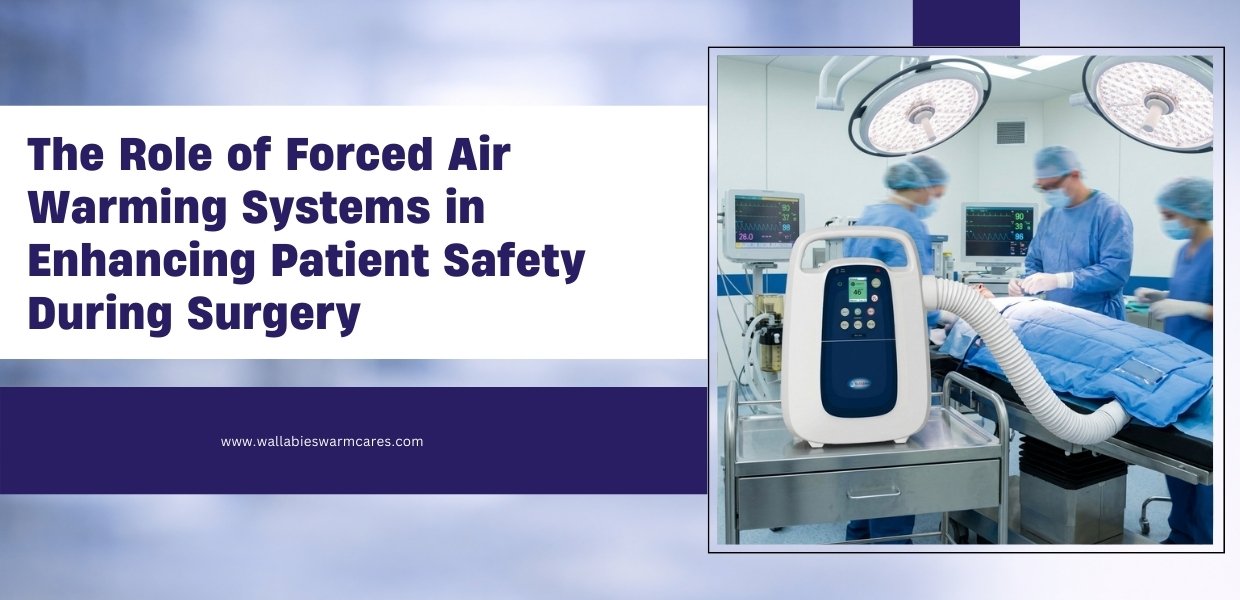
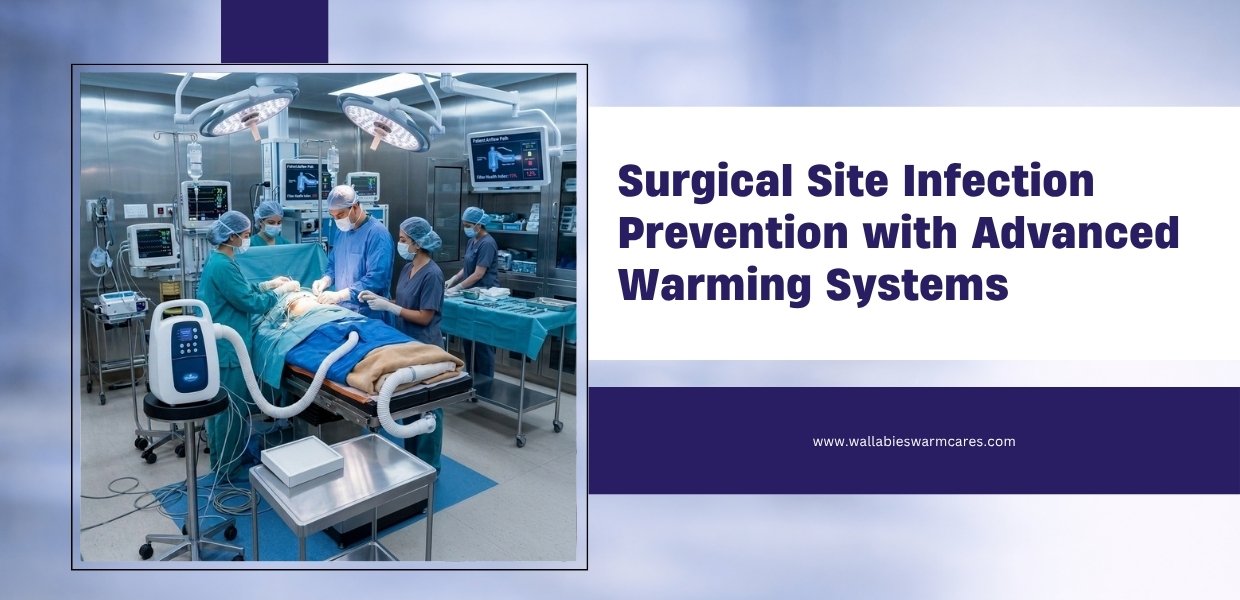
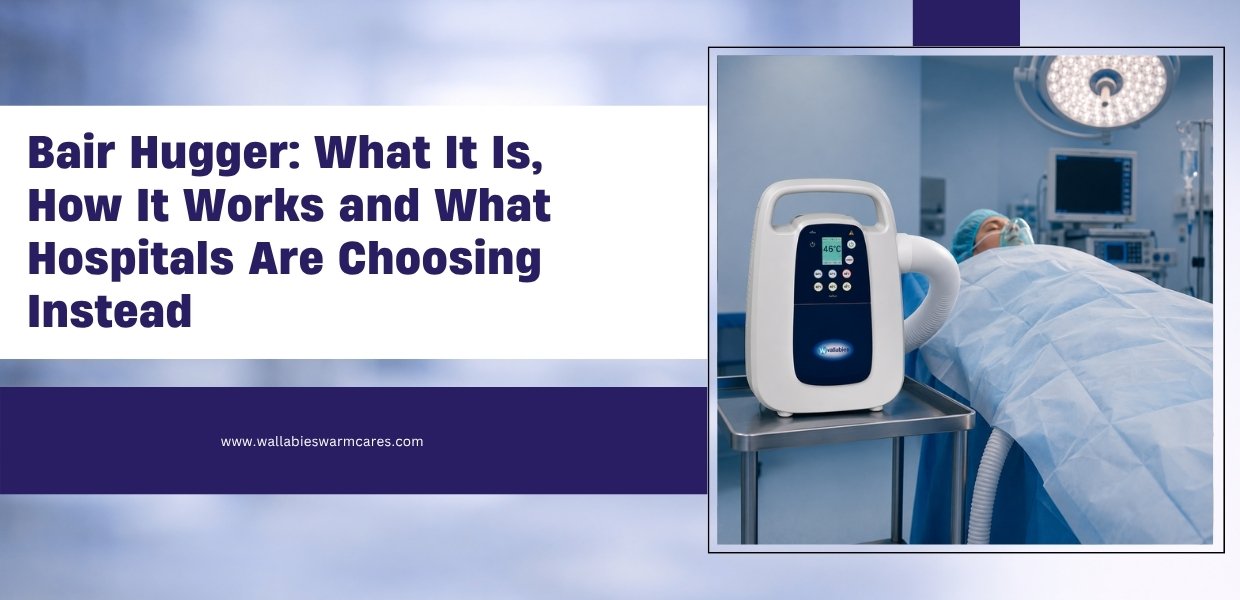
The Bair Hugger utilizes forced-air warming systems to maintain patient normothermia by circulating warmed air through a blanket placed over the patient’s body. The system consists of a heater unit, which blows warm air into disposable blankets that cover the patient. This mechanism provides consistent and controlled warmth, effectively combating hypothermia during surgical procedures. Diagrams illustrating air circulation and heat delivery demonstrate how efficient this system is for keeping patients warm.
According to research conducted by the NIH, forced-air warming systems like the Bair Hugger significantly outperform passive warming devices in maintaining body temperature during surgeries. The functionality of the Bair Hugger allows for rapid warming, which is crucial in surgical settings.
Review of Clinical Trials
Numerous clinical trials highlight the effectiveness of the Bair Hugger in maintaining normothermia. A systematic review findings indicate that among forced-air warming devices, the Bair Hugger is particularly effective, especially in comparison with passive warming measures. Clinical studies consistently show lower instances of hypothermia and improved patient outcomes when using the Bair Hugger during various types of surgeries.
Clinical Effectiveness Insights
When comparing data from various clinical trials, the Bair Hugger demonstrates a substantial reduction in postoperative complications attributed to hypothermia. Patients undergoing surgery with the Bair Hugger report shorter recovery times, highlighting the importance of effective patient warming not only for immediate surgery success but for long-term recovery as well.
Potential Infection Risks Associated with Bair Hugger
Study Insights on Infection Rates
While the Bair Hugger has proven effective in maintaining normothermia, concerns related to infection risks have been raised. Studies have linked the use of forced-air warming systems to an increased risk of surgical site infections (SSIs) in certain contexts. Research shows that the airflow from the Bair Hugger can potentially introduce contaminants into the surgical field, raising questions about its safety.
Surgical organizations have issued guidelines emphasizing the need for further evaluation of infection rates associated with forced-air warming systems. Analysis of studies indicates that additional precautions should be taken to ensure patient safety while employing such warming devices.
Expert Opinions on Risks
Experts from various surgical disciplines have voiced their concerns regarding the Bair Hugger’s operational risks. Many advocate for a balanced approach in utilizing the Bair Hugger, recommending that surgical teams remain vigilant and adhere strictly to infection prevention protocols, especially in high-risk surgeries.
Furthermore, testimonials from surgeons highlight the importance of continuous monitoring and awareness of the potential risks while employing the Bair Hugger to enhance patient safety. There are alternative systems available, and some experts suggest exploring these options.
Bair Hugger vs Passive Warming Systems: A Comparative Analysis
Overview of Passive Warming Systems
Passive warming systems, including warmed IV fluids and thermal blankets, provide alternative solutions for maintaining patient warmth during surgeries. These methods tend to be less invasive and do not carry the airflow risks associated with the Bair Hugger. However, they may not offer the same rapid or controlled heating capabilities.
Numerous studies have shown that while passive warming can be effective, it often results in slower rewarming rates compared to active warming systems like the Bair Hugger. Thus, understanding the differences can help healthcare professionals make informed choices tailored to their surgical environments.
Pros and Cons Analysis
Pros of the Bair Hugger:
- Effective in maintaining normothermia during surgery.
- Rapid warming reduces the risk of complications associated with hypothermia.
Cons of the Bair Hugger:
- Potential increased risk of surgical site infections.
- Airflow may carry contaminants into the sterile field.
Pros of Passive Warming Systems:
- Lower risk of infection since they do not circulate air.
- Generally more affordable and easier to implement.
Cons of Passive Warming Systems:
- Slower rewarming rates may prolong patient hypothermia.
- Less effective in high-risk cases requiring consistent warmth.
| Feature | Bair Hugger | Passive Warming |
|---|---|---|
| Warming Speed | Fast | Slow |
| Infection Risk | Moderate to High | Low to Moderate |
| Control Over Temperature | High | Low |
| Cost | Higher | Lower |
Best Practices for Using the Bair Hugger
Guidelines for Optimal Use
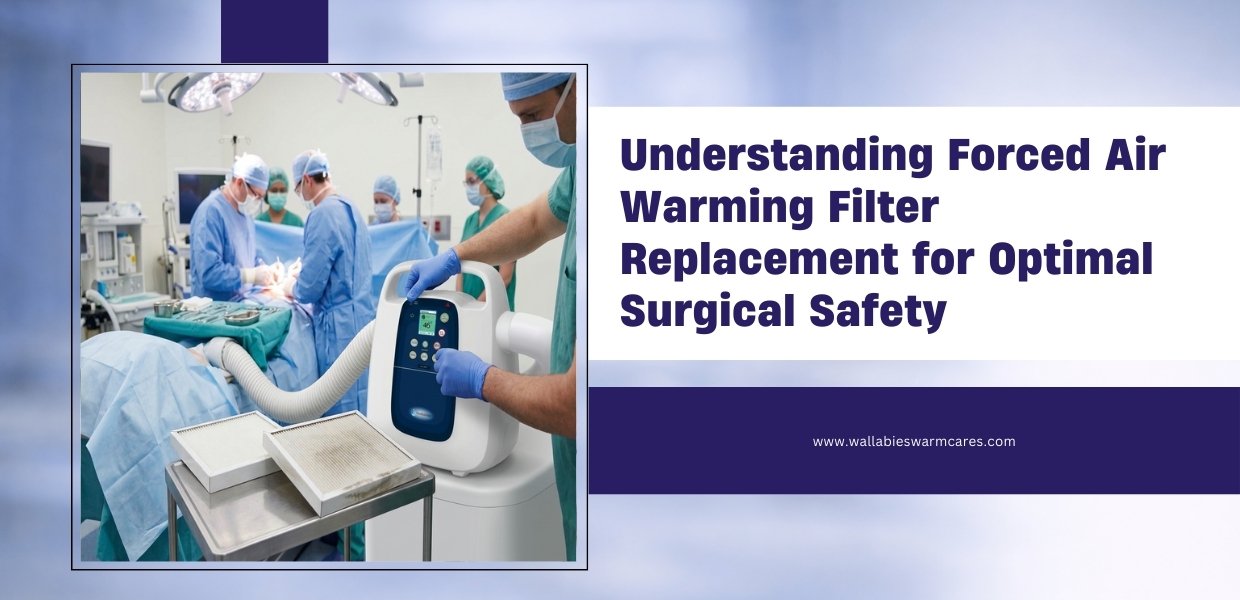
To maximize the effectiveness of the Bair Hugger while minimizing risks, healthcare professionals should adhere to established guidelines. Best practices include proper placement of the warming blanket, ensuring that air filters are clean, and maintaining a sterile environment throughout the procedure.
Healthcare professionals must continuously assess the patient’s temperature and make necessary adjustments to the Bair Hugger settings as circumstances evolve during surgery.
Common Troubleshooting Tips
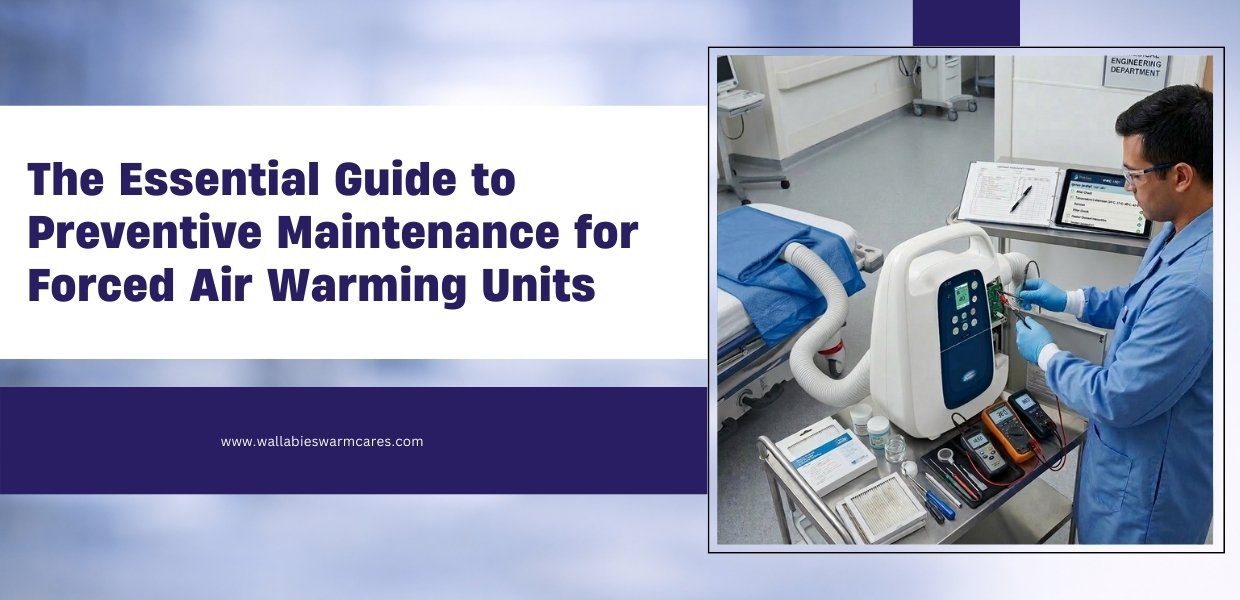
Common issues may arise with the use of the Bair Hugger, such as inadequate warming, mechanical failures, or alert notifications. Quick troubleshooting tips include checking connections, ensuring that blankets are not obstructing airflow, and performing routine maintenance to guarantee equipment integrity.
For detailed operation guidelines, consult OEM recommendations provided by the manufacturer to ensure compliance and effectiveness.
Real-World Case Studies and Patient Testimonials
Case Study 1 – Successful Outcome
In a surgical setting, a cardiac procedure was performed utilizing the Bair Hugger to maintain patient normothermia. The results showed an impressive recovery rate post-surgery, with patients reporting minimal complications. Medical staff credited the use of the Bair Hugger for maintaining optimal body temperature throughout the procedure, which contributed to the patient’s swift recovery.
Case Study 2 – Challenges and Resolutions
Conversely, a knee replacement surgery encountered complications when the Bair Hugger was mismanaged, leading to slightly elevated infection rates. However, the surgical team promptly adopted stricter infection control measures and switched the warming method mid-surgery to a passive warming system. This adjustment not only resolved immediate issues but also led to an overall improvement in post-operative infection management.
Emerging Trends in Surgical Warming Technologies
Novel Approaches to Patient Warming
As technology progresses, researchers are exploring innovative approaches to patient warming. New devices focus on radiative warming methods, achieving efficient body temperature regulation without the airflow risks associated with traditional systems.
Continuous innovations in warming technologies are essential, as they aim to enhance patient safety while delivering effective solutions to combat hypothermia.
Predictions for Future Developments
Experts predict that future patient warming technologies will integrate artificial intelligence to monitor temperature in real-time, providing personalized warming strategies based on individual patient needs. Such advancements will fundamentally change how warming is approached in surgical environments, especially as understanding of infection risks develops further.
Frequently Asked Questions
Q: How do you use a Bair Hugger effectively?
Using a Bair Hugger effectively involves following manufacturer guidelines to ensure proper placement of the warming blanket over the patient. It’s essential to set the device at the appropriate temperature to achieve ideal warming without overheating. Continuous monitoring during the procedure helps assess effectiveness.
Q: What are the main risks of using a Bair Hugger?
The main risks associated with the Bair Hugger include potential increases in surgical site infections due to airflow carrying airborne contaminants into the sterile environment. Proper technique and adherence to infection control protocols are critical preventive measures.
Q: What are the alternatives to Bair Hugger warming systems?
Alternatives to Bair Hugger warming systems include warmed IV fluids, thermal blankets, and heating pads. These passive systems reduce airflow but may result in slower warming rates in patients.
Q: What compliance standards should the Bair Hugger meet?
The Bair Hugger must comply with guidelines from AORN and NICE regarding safety protocols in perioperative care. This includes regular maintenance schedules and sterilization procedures to ensure patient safety.
Q: How long does a Bair Hugger warming blanket last?
A Bair Hugger warming blanket can last multiple uses; however, proper cleaning and care are essential to maintaining functionality. It is advisable to follow the manufacturer’s instructions on usage limits for safety and efficacy.
Conclusion
The Bair Hugger remains a critical tool in patient warming, effectively maintaining normothermia during surgical procedures. However, users must be vigilant about the associated infection risks and continuously apply best practices to mitigate these concerns. Leveraging testimonials from successful surgeries using the Bair Hugger reinforces its value while highlighting the need for ongoing education and adherence to protocols.
To learn more about ensuring patient safety during procedures with warming technologies, contact us today for guidance and resources. Understanding the complexities of patient warming choices will lead to better care practices and outcomes in surgical environments.
Related Resources
- Forced-Air Patient Warming Machine – Discover the features and specifications of our forced-air warming devices.
- Warming Blankets – Explore our selection of warming blankets designed for optimal patient comfort.
- Distributors and Partners – Find information on becoming a distributor for our medical products.