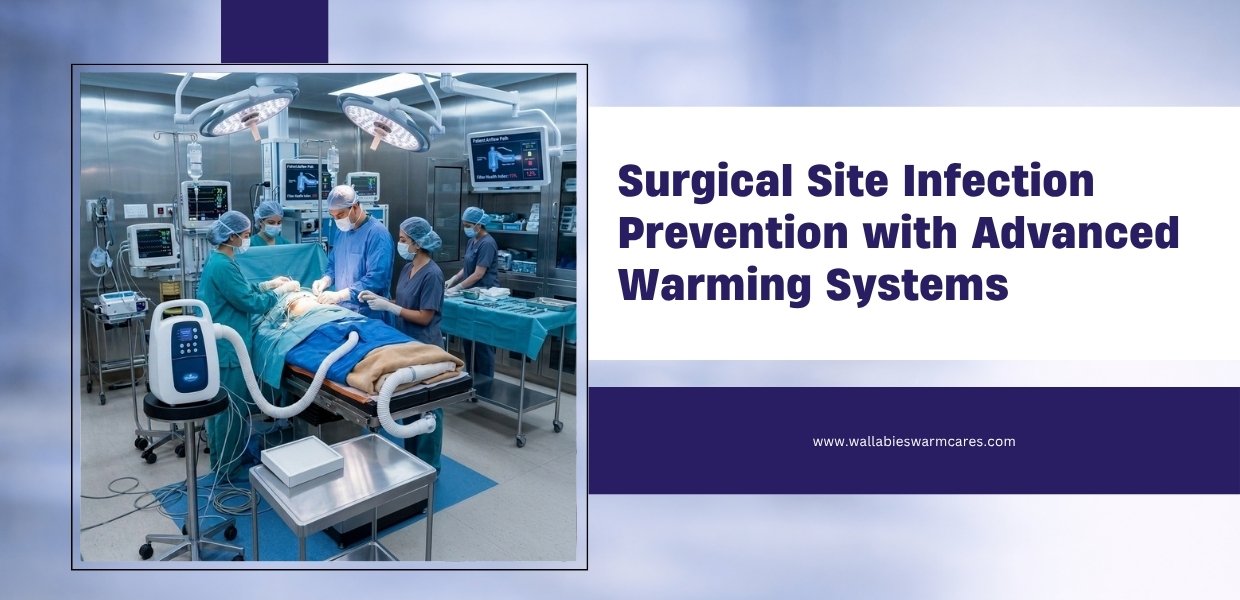
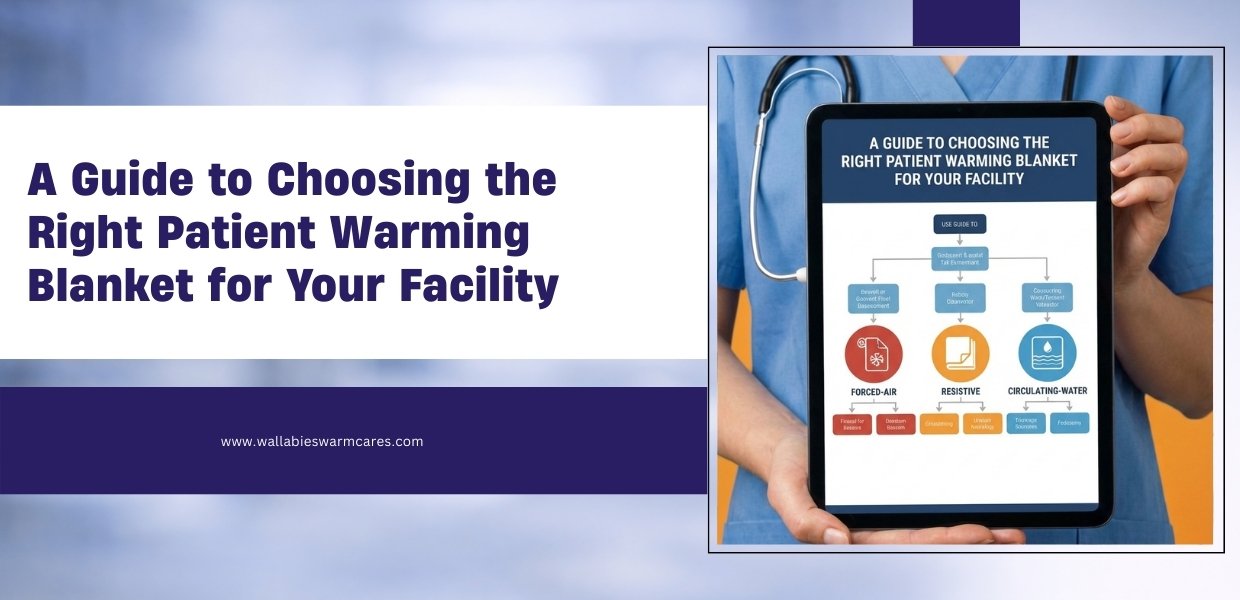
Did you know that approximately 60% of surgical patients experience unintentional hypothermia, increasing the risk of complications? Unmanaged temperature control in surgical environments can lead to increased mortality, prolonged hospital stays, and skyrocketing healthcare costs. This guide delves into the benefits of patient warming blankets, emerging technologies in the field, and best practices for effective implementation.
Table of Contents
- The Importance of Patient Warmth During Surgical Procedures
- Latest Technology Advancements in Patient Warming Systems
- Comparative Analysis of Different Types of Warming Blankets
- User Feedback and Reviews on Popular Patient Warming Blankets
- Best Practices for Implementing Warming Blankets in Healthcare Environments
- Frequently Asked Questions
- Conclusion
- Related Resources
The Importance of Patient Warmth During Surgical Procedures
Maintaining appropriate body temperature in surgical settings is critical for patient care. It has been established that hypothermia during procedures can lead to numerous complications, ultimately affecting patient outcomes.
Complications Arising from Hypothermia
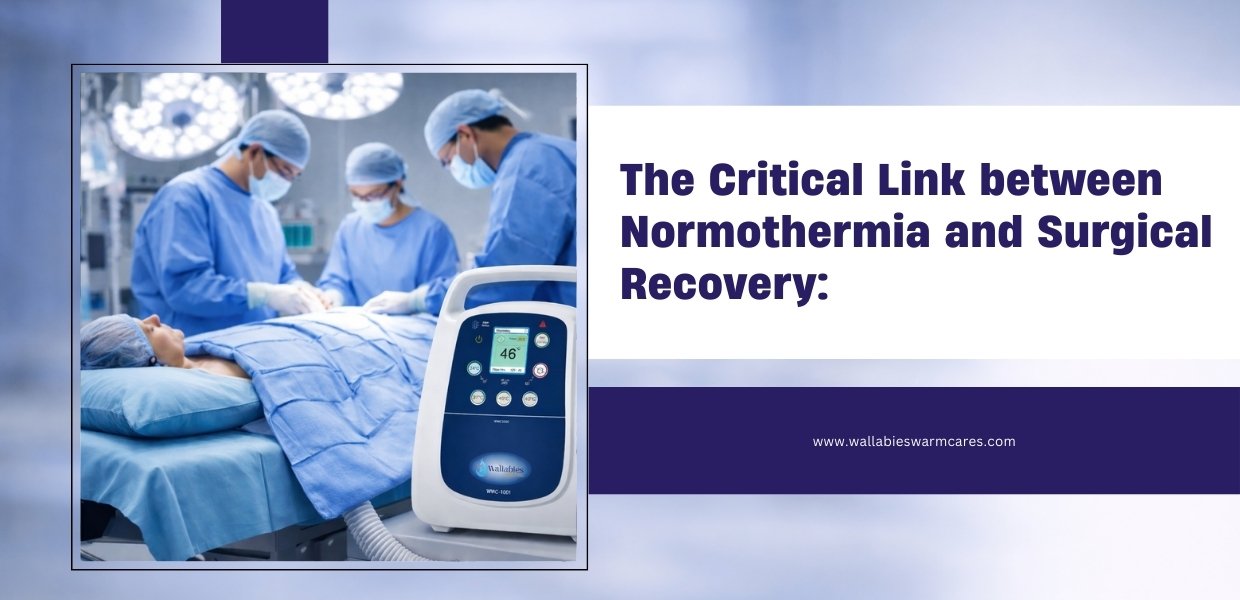
Many surgical patients face serious health risks due to hypothermia. Some complications include increased cardiac events, delayed wound healing, and a higher likelihood of surgical site infections. For instance, research indicates that patients who experience hypothermia during surgery have longer recovery times and higher rates of postoperative complications. According to NIH systematic review, maintaining normothermia is vital to minimize these risks and enhance overall surgical outcomes.
Guidelines and Recommendations for Patient Temperature Management
Clinical guidelines advocate for proactive measures in temperature management. The American Society of Anesthesiologists recommends monitoring patients’ temperatures continually and employing warming strategies throughout surgical procedures. Adhering to these temperature management guidelines ensures that healthcare providers uphold surgical care standards, ultimately leading to better patient outcomes.
Latest Technology Advancements in Patient Warming Systems
Understanding the technological innovations that improve the efficacy of patient warming blankets is crucial. The field has seen remarkable advancements that make warming systems more effective and user-friendly.
Smart Patient Warming Systems
Innovations in warming technology, such as smart warming systems, have revolutionized patient care. These systems utilize sensors and automated controls that adjust warmth based on real-time feedback from the patient. This ensures consistent body temperature maintenance, which is especially important during prolonged surgeries. With real-time adjustments, smart warming blankets help mitigate the hypothermia risk effectively.
Comparison of Passive vs. Active Warming Systems
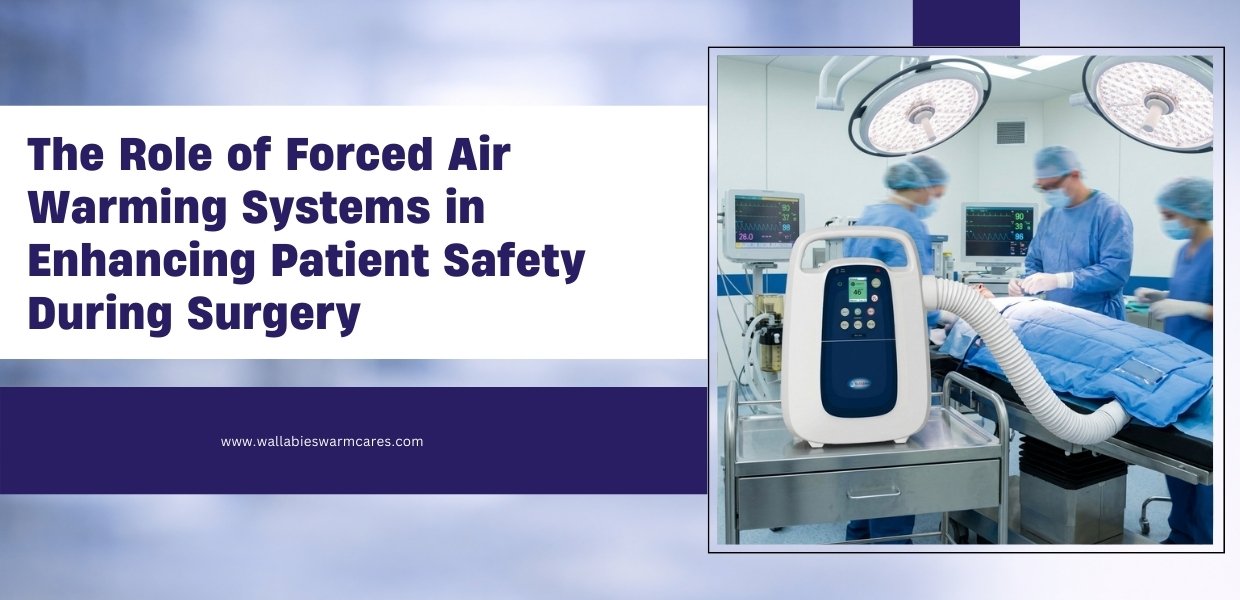
When evaluating warming solutions, it’s important to understand the differences between passive and active warming systems. Passive systems typically include warming blankets that rely on ambient heat, while active systems, such as forced air warming devices, deliver heated air directly onto the patient. Clinical trials have demonstrated that active warming systems are more effective in maintaining normothermia throughout surgical procedures, asserting their place as the preferred choice in many healthcare settings.
Comparative Analysis of Different Types of Warming Blankets
Evaluating various warming blanket technologies and their specific benefits is essential for healthcare professionals seeking the best solutions.
KDF vs. Carbon Warming Blankets
One major comparison in warming technology lies between KDF and carbon warming blankets. KDF (Kinetic Degradation Fluxion) blankets utilize a proprietary technology designed to provide consistent warmth through intelligent heat distribution. In contrast, carbon warming blankets are noted for their lightweight and portable characteristics, making them ideal for transportation and emergency settings. User testimonials indicate that while both types perform efficiently, KDF blankets are often preferred for their durability and effective heat maintenance.
Disposable vs. Reusable Warming Blankets
The choice between disposable and reusable warming blankets raises questions regarding sustainability and cost-effectiveness. Disposable warming solutions offer eco-friendly options for single-use, greatly decreasing the risk of cross-contamination. However, reusable blankets contribute to long-term savings, especially for healthcare facilities with high patient turnover. A cost analysis further emphasizes that, when managed correctly, reusable blankets can significantly lower expenses over time by reducing purchase frequency.
User Feedback and Reviews on Popular Patient Warming Blankets
Gathering real-world insights on the most commonly used warming blankets helps prospective buyers make informed decisions.
Top-Rated Warming Blankets in the Market
Healthcare providers often seek the best patient warming blankets based on user ratings and industry expert recommendations. Today’s top-selling products, such as the Wallabies Warm Care Warming Blanket, have demonstrated high levels of patient satisfaction due to their effective temperature maintenance and comfort features. The consensus among healthcare professionals indicates that choosing highly-rated products directly correlates to improved patient experiences.
Common Issues and Solutions Reported by Users
Despite their many benefits, users occasionally report issues with warming blankets, ranging from malfunctioning controls to inadequate warmth levels. Manufacturers are addressing these concerns through improved customer service support and product innovations, helping to enhance customer satisfaction and product reliability. For example, companies now provide detailed troubleshooting guides to assist users in resolving common complaints.
Best Practices for Implementing Warming Blankets in Healthcare Environments
Practical guidance on how to integrate warming blankets effectively within existing protocols will enhance patient care.
Training Staff on Proper Use
One of the best practices involves staff training on the proper use of warming blankets and troubleshooting common errors. Empowering healthcare professionals with knowledge about the operational aspects of warming technology boosts confidence and enhances patient care protocols. Training programs offered by manufacturers can provide staff with critical insights into optimizing the usage of warming blankets during surgery.
Monitoring and Adjusting Warming Strategies
Ongoing monitoring and adjusting warming strategies is vital for evaluating the effectiveness of warming interventions. Monitoring patient warmth using digitally controlled systems allows healthcare personnel to assess performance continuously. Adopting this practice leads to improved patient outcomes, as adjustments can be made proactively. Research has shown that facilities that incorporate stringent monitoring protocols experience a marked reduction in hypothermia incidences during surgical procedures.
Frequently Asked Questions
Q: What are the primary benefits of using patient warming blankets?
Patient warming blankets improve comfort, help maintain body temperature during procedures, and reduce the risk of hypothermia. They are essential tools in promoting patient safety and comfort throughout surgical interventions.
Q: How long do most patient warming blankets last?
The lifespan of warming blankets varies; reusable options can last several years with proper care, while disposable options are typically single-use. Proper maintenance can extend the longevity of reusable blankets significantly.
Q: Are there any alternatives to traditional warming blankets?
Yes, alternatives include forced air warming devices, heat mats, and heated surgical drapes, each with its own advantages regarding user experience and maintenance.
Q: What guidelines should healthcare facilities follow when implementing warming blankets?
Facilities should integrate user training, monitor patient temperatures closely, and follow clinical best practices to ensure effectiveness. Adherence to established guidelines significantly increases patient safety during procedures.
Conclusion
Patient warming blankets play a critical role in surgical safety, preventing hypothermia, and enhancing patient comfort. By leveraging the latest technology and best practices, healthcare providers can significantly improve care quality. Continuous education and staff training on warming techniques can lead to better patient outcomes.
Explore our range of patient warming solutions or contact us for a consultation on the best heating technology for your facility. Investing in quality patient warming blankets is not just about comfort; it’s an essential step towards improving healthcare outcomes.