Did you know that up to 50% of surgical patients experience inadvertent hypothermia? This condition can lead to increased complications, longer hospital stays, and higher healthcare costs. As healthcare professionals, it is crucial to address this issue effectively. This article delves into the benefits and effectiveness of forced air warming systems, backed by scientific evidence and expert insights.

Table of Contents
- Importance of Thermoregulation in Surgical Patients
- Cost-Effectiveness of Forced Air Warming
- Comparing Forced Air Warming Systems to Traditional Methods
- Implementation Guidelines for Forced Air Warming
- Real-World Case Studies
- Frequently Asked Questions
- Conclusion
- Related Resources
Importance of Thermoregulation in Surgical Patients
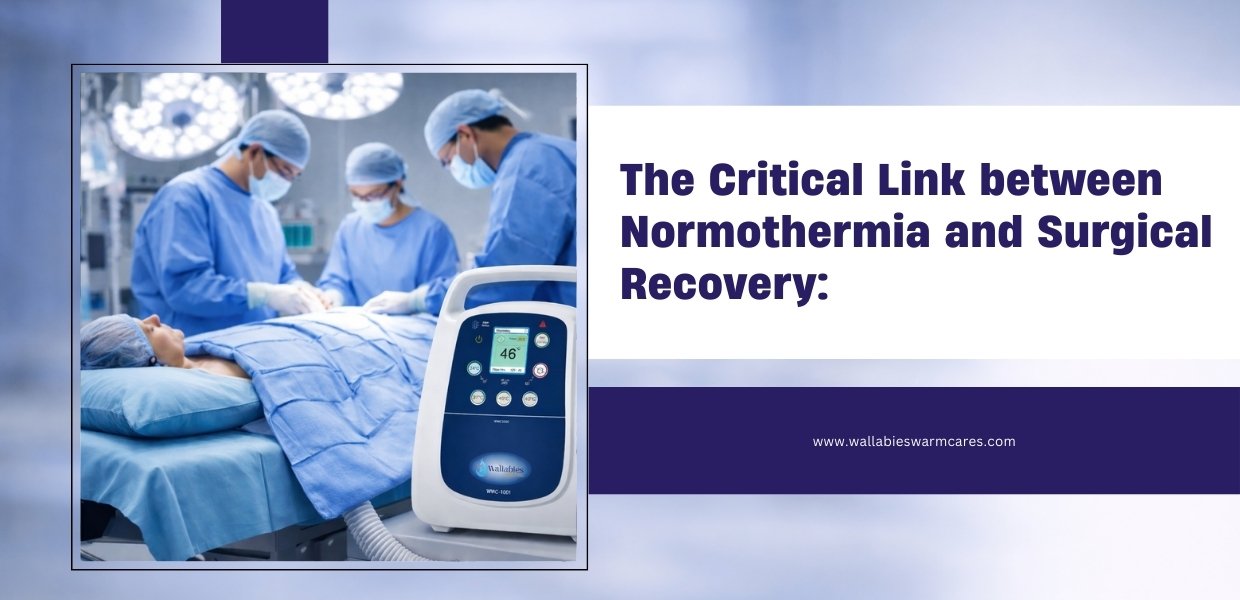
Maintaining body temperature during surgical procedures is paramount. Thermoregulation, or the body’s ability to maintain its core temperature, plays a critical role in surgical environments. Inadvertent hypothermia can significantly impact surgical outcomes and patient recovery, so understanding its physiological underpinnings is essential.
The Physiology of Heat Loss During Surgery
During surgery, several factors contribute to heat loss. Anesthesia itself can impair thermoregulation by affecting the hypothalamic control of temperature. Moreover, exposure to cold operating rooms and the evaporation of moisture from the skin and surgical wounds exacerbate heat loss. These physiological changes are critical to patient safety, as surgeries lasting longer than one hour significantly increase the risk of hypothermia.
In accordance with the WHO Guidelines on Surgical Site Infection Prevention, maintaining normothermia is essential to prevent surgical site infections (SSIs) and other complications. When the body cools, the immune response weakens, increasing susceptibility to infections and prolonging recovery.
Consequences of Inadequate Heating
The consequences of inadequate heating during surgery can be severe. Surgical hypothermia can lead to a myriad of complications such as increased risk of SSIs, bleeding, and cardiac events. Studies have shown that hypothermia can extend recovery times, potentially leading to longer hospital stays and increased costs for healthcare providers. Furthermore, the risk for postoperative complications—including wound infections—can double in instances of inadvertent hypothermia.
Cost-Effectiveness of Forced Air Warming
Implementing forced air warming systems in surgical settings not only saves lives but also significantly reduces healthcare costs. With hospitals facing continuous pressure to optimize expenses while maintaining high-quality patient care, the financial benefits of forced air warming systems are particularly relevant.
Meta-Analysis of Cost-Benefit
A recent meta-analysis on warming device cost-effectiveness highlighted that hospitals using forced air warming systems see reduced postoperative complications, which translates into substantial savings. By investing in forced air warming technologies, facilities can improve patient outcomes and reduce readmission rates associated with hypothermia-related complications.
Furthermore, the reduction in the length of hospital stays due to less frequent complications presents a compelling argument for the cost-effectiveness of these systems. Clinical data indicate that surgical patients using forced air warming devices often experience shorter recovery times, further decreasing overall healthcare expenditures.
Reducing Postoperative Complications and Length of Stay
Forced air warming has repeatedly been shown to play a significant role in reducing postoperative complications. Patients who are maintained at normothermic temperatures tend to heal faster and experience fewer surgical site infections, shortening their overall hospital stay. For example, research indicates that patients receiving forced air warming could reduce recovery time by nearly 30% compared to those who do not.
By ensuring normothermia, healthcare facilities can not only safeguard patient safety but also optimize operational efficiency and reduce costs. A strategic investment in forced air warming devices can thus enhance both patient outcomes and hospital productivity.
Comparing Forced Air Warming Systems to Traditional Methods
To appreciate the effectiveness of forced air warming, comparing its efficacy against traditional methods like resistive heating is essential. This analysis will shed light on which system best supports patient safety and clinical outcomes.
Mechanisms of Action
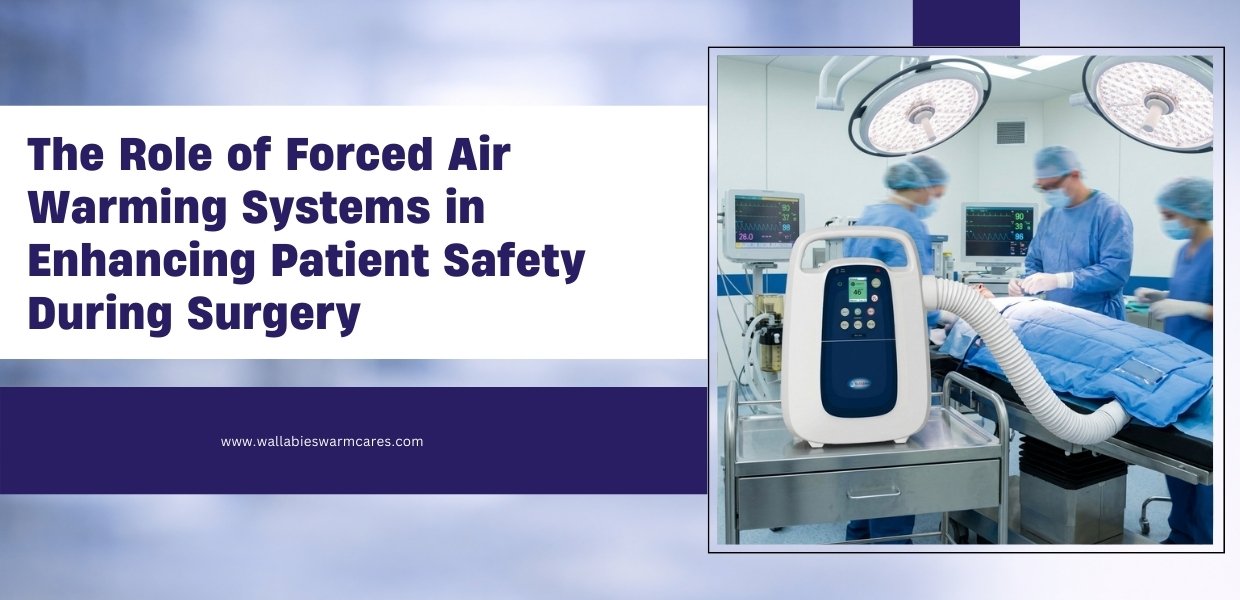
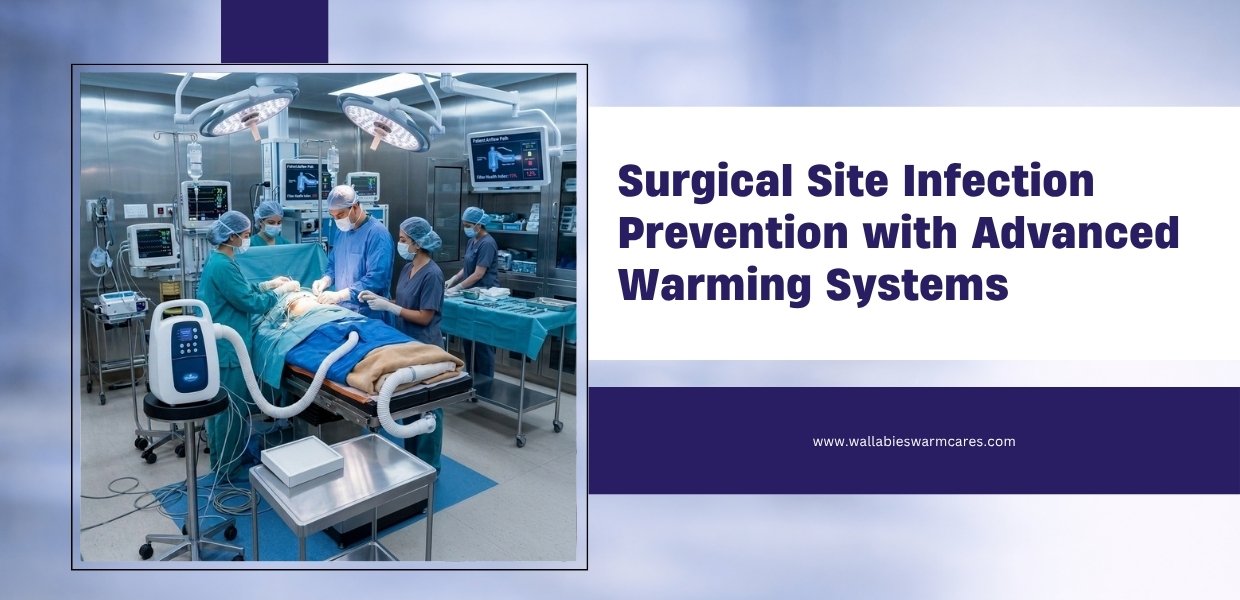
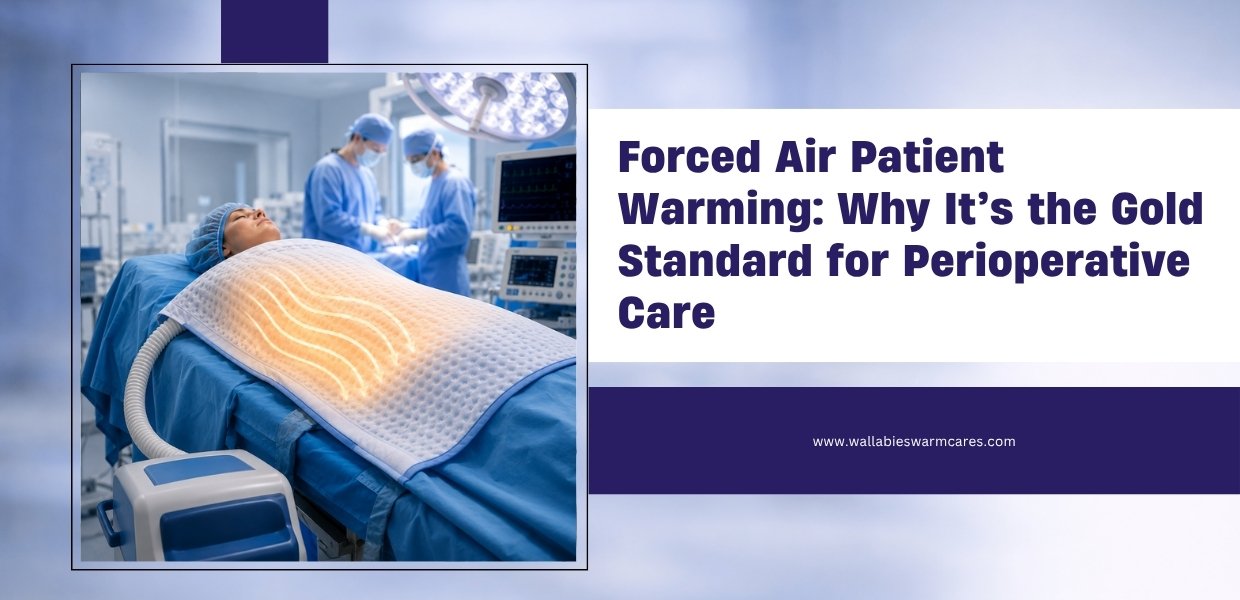
Forced air warming systems operate by delivering heated air through specialized blankets, effectively creating a warm environment that helps maintain the patient’s core temperature. In contrast, resistive heating systems rely on electrically heated blankets or pads. While both aim to increase patient temperature, the mechanisms by which they achieve this differ significantly.
Research has demonstrated that forced air warming provides more efficient and consistent warmth than resistive systems. The dynamic airflow and adjustable temperature settings in forced air systems allow for a more effective response to individual patient needs.
Clinical Studies and Outcomes
Numerous clinical studies have compared the outcomes of forced air warming and traditional resistive heating systems. One study, referenced in an evidence brief on forced air warming, illustrated significant advantages of forced air systems over resistive methods in maintaining normothermia and preventing postoperative complications. Facilities utilizing forced air warming reported lower incidences of SSIs and shorter recovery times.
The findings from these studies underscore the importance of selecting effective warming systems for optimum patient care. Forced air warming not only enhances patient comfort but also improves surgical outcomes, making it the preferred choice in modern operating rooms.
Implementation Guidelines for Forced Air Warming
Effective implementation of forced air warming systems is crucial for maximizing their benefits in surgical settings. Healthcare professionals must adhere to evidence-based guidelines to ensure successful integration of these devices into their protocols.
Best Practices for Usage in Surgical Settings
Developing comprehensive protocols for using forced air warming systems is essential. Such practices should include staff training on the proper use of devices, monitoring protocols to assess patient temperature, and ensuring consistent implementation across all surgical procedures. It is imperative that clinical teams understand the appropriate timing for initiating warming preoperatively, intraoperatively, and postoperatively to maintain continuous normothermia.
Healthcare facilities should also invest in training for clinical staff to ensure adherence to patient warming protocols and to foster a culture of patient safety within surgical teams.
Patient-Centered Care and Innovations
Innovative technologies continue to emerge in patient warming systems. The integration of smart devices can enhance the efficacy of forced air warming, allowing for real-time monitoring and adjustments based on individual patient needs. Adopting cutting-edge technologies can help healthcare providers stay ahead of challenges related to patient hypothermia and improve overall surgical outcomes.
Putting the patient at the center of surgical practices ensures that their comfort and safety are prioritized. Thus, embracing technological advancements in patient warming not only enhances procedures but also aligns with modern healthcare values emphasizing personalized care.
Real-World Case Studies
To grasp the true potential of forced air warming systems, examining real-world case studies demonstrates their effectiveness in clinical settings.
Case Study 1: Reducing Postoperative Infections
One notable instance comes from a progressive hospital that implemented forced air warming systems across its surgical departments. By adopting these technologies, the facility saw a dramatic reduction in postoperative infections—from 12% to just 4%—and enhancements in patient recovery metrics. This case illustrates the tangible benefits of forced air warming for reducing complications and improving patient safety.
Case Study 2: Improving Recovery Times
Another institution reported significant improvements in patient recovery timelines after introducing forced air warming systems. By actively monitoring patient temperatures throughout surgeries and promptly addressing any deviations, surgical teams achieved a reduction in average hospital stay from 6 days to 3 days. Such results underscore the pivotal role of effective warming systems in enhancing operational efficiency and patient care quality.
Frequently Asked Questions
Q: What are the benefits of using forced air warming systems in surgery?
Forced air warming systems are effective in maintaining patient temperature, which helps prevent hypothermia-related complications, thus ensuring better surgical outcomes.
Q: How does forced air warming work?
Forced air warming systems use heated air circulated through a blanket to raise the patient’s body temperature safely.
Q: Are there any risks associated with forced air warming?
Although generally safe, misuse may lead to burns or discomfort if not monitored correctly.
Q: How long do patients typically stay warm after surgery?
The duration varies by case, but forced air warming can effectively maintain normothermia for several hours post-surgery.
Q: Can forced air warming affect patients’ recovery time?
Yes, by preventing hypothermia, patients can experience reduced recovery times and fewer complications.
Conclusion
In summary, forced air warming systems significantly enhance patient safety in surgical environments. The cost-effectiveness of these systems becomes evident when weighing benefits against traditional methods. Furthermore, implementing evidence-based warming protocols can lead to improved patient outcomes, reduced complications, and lower hospital costs.
For a comprehensive look at how our forced air warming solutions can benefit your surgical practice, download our detailed guideline here. Emphasizing the importance of patient warming technology, it’s crucial to remain updated with advancements continually.
Related Resources
- Forced Air Patient Warming Machine – Learn about our advanced forced air warming device and its features.
- Warming Blankets – Explore our range of warming blankets designed for optimal patient comfort.
- Download the Guidelines – Access comprehensive guidelines to improve patient warming protocols.
- Contact Us – Get in touch for more information on our products and solutions.