Did you know that maintaining body temperature during surgery can significantly reduce postoperative complications? Many healthcare professionals are still unaware of the benefits and concerns surrounding forced air warming systems, leading to misconceptions about their safety and effectiveness. This article explores the clinical benefits, safety protocols, and patient comfort associated with forced air warming systems used in surgeries, providing valuable insights backed by evidence.

Table of Contents
- Overview of Forced Air Warming Systems and Their Clinical Benefits
- Evidence-Backed Effectiveness of Maintaining Normothermia During Surgery
- Safety Protocols and Guidelines for Using Warming Systems in Operating Rooms
- Patient Comfort: How Warming Systems Impact Recovery and Satisfaction Rates
- Comparisons of Forced Air Warming Systems and Alternatives
- Addressing Common Misconceptions and Safety Concerns
- Emerging Trends in Surgical Warming Technologies
- Frequently Asked Questions
- Conclusion
- Related Resources
Overview of Forced Air Warming Systems and Their Clinical Benefits
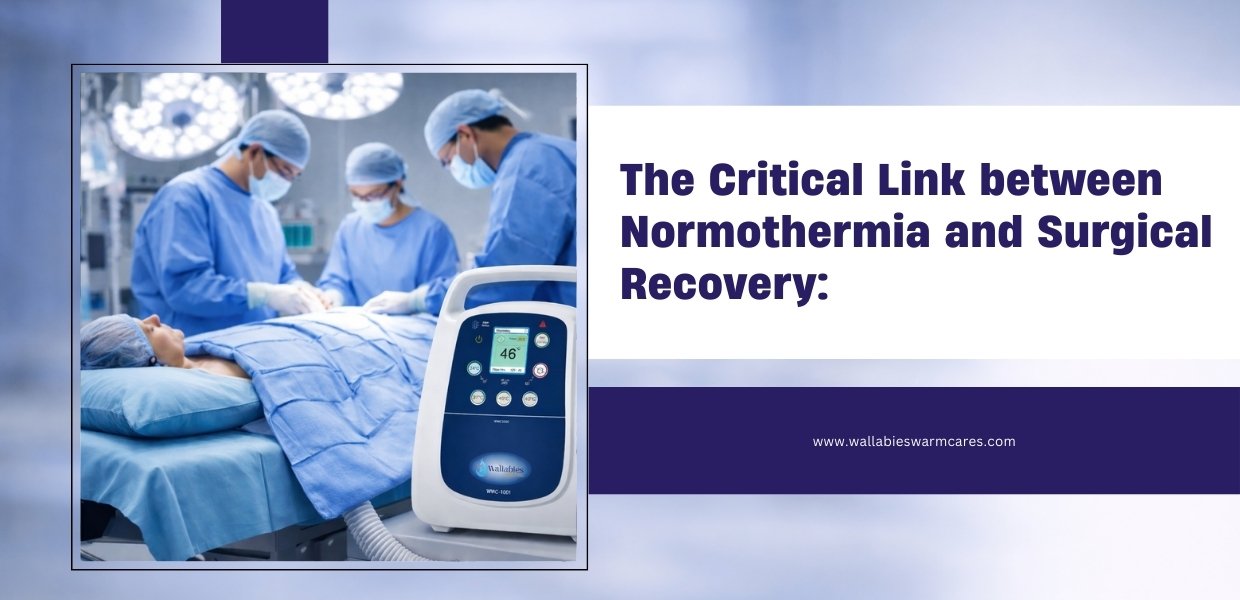
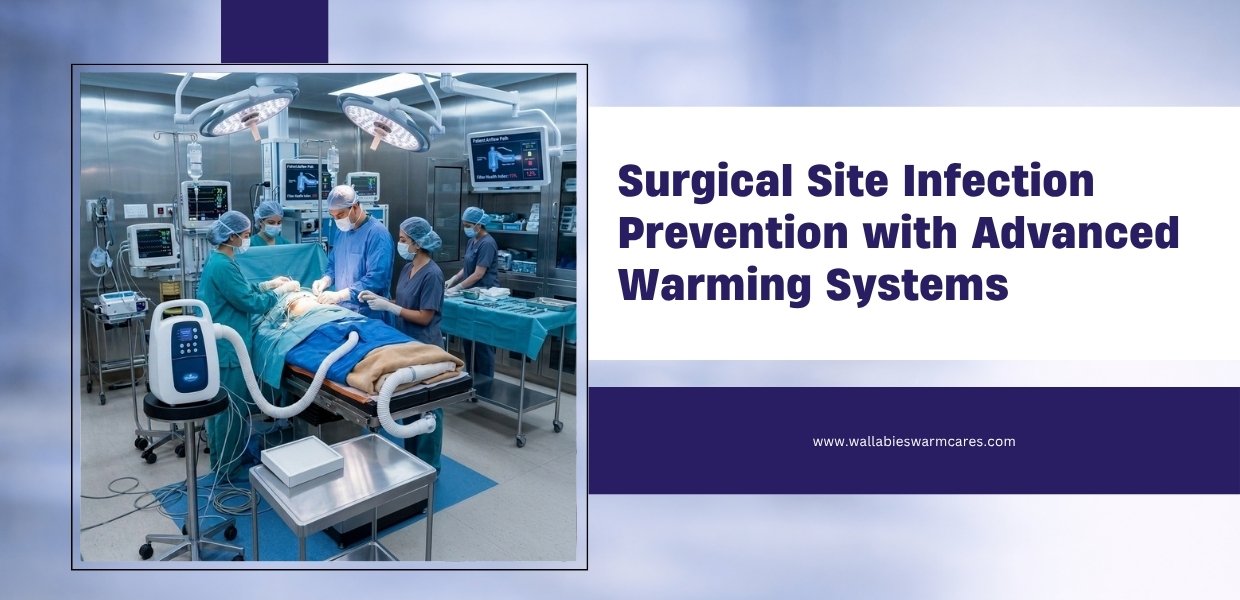
Forced air warming systems have revolutionized patient care in surgical settings. By circulating warm, filtered air through a patient-specific blanket, these systems effectively maintain normothermia during procedures. Such control is essential in preventing hypothermia, which can lead to various complications, including increased surgical site infections and longer recovery times.
What Are Forced Air Warming Systems?
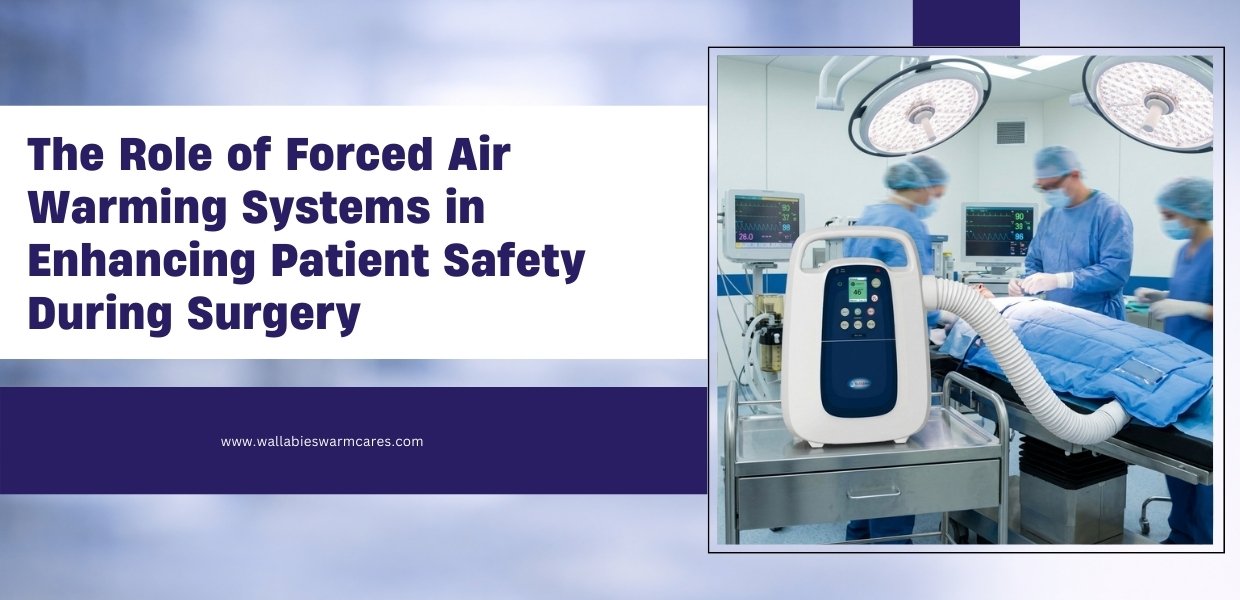
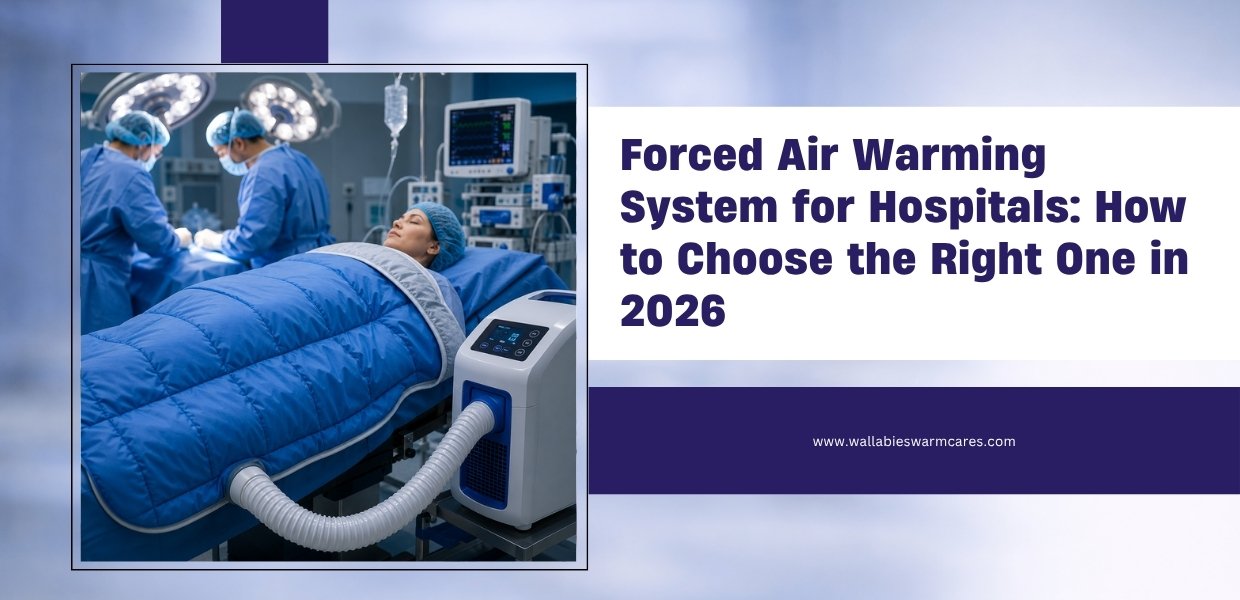
Forced air warming systems are medical devices designed to enhance patient temperature control during surgical procedures. They operate by delivering warmed air through a quilted blanket placed on the patient’s body, effectively warming the skin’s surface and, ultimately, the core body temperature.
According to OHSU’s evidence brief, these devices play a critical role in achieving therapeutic temperature control, essential for optimal surgical outcomes. You can learn more about our commitment to advancing surgical technologies at our About Us page.
Key Clinical Benefits
The use of forced air warming systems has been consistently associated with preventing hypothermia during surgeries. A clinical study published in the National Institutes of Health indicates that maintaining normothermia during surgery reduces complications significantly.
For instance, patients who utilize forced air warming systems experience fewer postoperative infections, reduced blood loss, and shorter recovery times. In addition to improving patient outcomes, these systems also lead to increased satisfaction rates post-surgery.
Evidence-Backed Effectiveness of Maintaining Normothermia During Surgery
Research consistently demonstrates that maintaining normothermia with forced air warming translates to improved surgical outcomes.
Clinical Studies Demonstrating Effectiveness
A systematic review published in Herald Open Access focuses on the efficacy of forced air warming systems compared to passive warming measures. This comprehensive analysis reveals that forced air warming is more effective in maintaining core body temperature, thus leading to enhanced clinical outcomes.
Impact on Surgical Complications
Maintaining normothermia directly affects surgical outcomes by reducing the rate of surgical site infections (SSIs). Studies confirm that hypothermic patients suffer significantly higher infection rates than those maintained at normothermic temperatures. A comparative analysis showcases that patients kept warm experienced substantially lower instances of SSIs, highlighting how crucial forced air warming is in surgical protocols. For more information about our forced air warming products, visit our product page.
Safety Protocols and Guidelines for Using Warming Systems in Operating Rooms
Effective use of forced air warming systems requires strict adherence to established safety guidelines that ensure both patients’ safety and comfort.
Regulatory Guidelines
Regulatory bodies, including the Association of periOperative Registered Nurses (AORN) and the Centers for Medicare & Medicaid Services (CMS), provide essential safety guidelines for using patient warming systems. The CMS guidelines outline critical temperature control measures, emphasizing the importance of patient warming in preventing hypothermia during surgical procedures.
- AORN Recommendations:
- Monitor patient temperature preoperatively, intraoperatively, and postoperatively.
- Implement forced air warming devices as part of the standard care regimen for surgeries lasting over 30 minutes.
For further details, refer to the full guidelines on safety standards from CMS.
Best Practices for Safe Implementation
Experiences from leading hospitals using forced air warming systems reveal best practices ensuring safe and effective implementation. Successful examples include prewarming patients before induction to maximize warming efficiency. Additionally, case studies highlight the significance of training surgical staff on proper device operation and patient monitoring for optimal safety.
Patient Comfort: How Warming Systems Impact Recovery and Satisfaction Rates
The comfort of patients during surgical procedures is intrinsically linked to their recovery experiences and overall satisfaction.
Patient Perspectives on Comfort
Patient satisfaction surveys highlight how the use of forced air warming systems contributes to comfort during surgeries. For many patients, the warmth provided helps alleviate anxiety and enhances overall satisfaction with the surgical experience. Feedback from these surveys reveals that patients reporting warmth also experienced reduced awareness of the surgical procedure and discomfort.
Comparisons of Recovery Rates
Research indicates that recovery rates improve significantly for patients using warming systems compared to those who do not. Statistical analysis shows a clear correlation between patient warming and expedited recovery, with data illustrated through charts showing improvement percentages.
Comparisons of Forced Air Warming Systems and Alternatives
Forced air warming systems represent a superior option compared to alternative warming methods.
Forced Air Warming vs. Passive Warming
A comparative analysis illustrates that forced air warming systems are much more effective than passive warming methods. Forced air devices afford the advantage of rapid temperature increase and better regulation compared to passive systems such as warm blankets or pads. The following chart summarizes key differences:
| Aspect | Forced Air Warming | Passive Warming |
|---|---|---|
| Temperature control | Excellent | Moderate |
| Speed of warming | Rapid | Slow |
| Patient comfort | High | Varies |
Contemporary Alternatives
While passive warming methods exist, newer technologies are emerging in patient warming. Technologies such as resistive heating systems offer varying degrees of effectiveness. However, forced air warming systems stand out due to their established safety and efficacy, showcasing that technological advancements continue to favor warming systems.
Addressing Common Misconceptions and Safety Concerns
Misconceptions about forced air warming systems can deter their acceptance in surgical settings.
Myths about Infection Risks
One prevalent myth is that forced air warming systems can raise infection risks. A review of the data dispels this myth, indicating that forced air warming does not significantly affect infection rates, especially when operated in compliance with established safety guidelines. Most studies affirm that proper warming protocols reduce infection likelihood.
Clarifications on Efficacy
Addressing misconceptions about the efficacy of forced air warming is vital. Numerous peer-reviewed studies support that these systems effectively maintain normothermia throughout surgical procedures, which has been shown to decrease intraoperative complications.
Emerging Trends in Surgical Warming Technologies
The landscape of surgical warming technologies is ever-evolving.
Innovations Driving Change
Recent advancements in technology have prompted innovative approaches in patient warming solutions. Enhanced materials and designs in forced air systems aim to increase warmth efficiency while enhancing comfort, striking a balance between technological progress and patient needs.
Future Directions
Looking ahead, the future of surgical warming technologies points toward more integrated systems capable of real-time monitoring and responsive adjustments. This evolution promises to improve patient outcomes even further, addressing the increasing demands within surgical environments.
Frequently Asked Questions
Q: Do forced air warming systems really improve surgical outcomes?
Studies indicate that forced air warming systems effectively maintain patient temperature, significantly reducing complications and improving recovery times. This evidence supports their clinical use as a standard in surgical practices.
Q: How safe are forced air warming systems for patients?
When used following safety guidelines, forced air warming systems pose minimal risks and offer critical benefits in surgical environments, such as reducing complications and enhancing patient care.
Q: Are there alternatives to forced air warming systems?
While alternatives exist, forced air warming systems are generally preferred due to their effectiveness and established safety record, making them the go-to choice in operating rooms.
Q: What are the patient comfort benefits of using forced air warming systems?
Patients report higher satisfaction levels and improved comfort during and after surgery when forced air warming systems are employed, which contributes positively to their overall recovery experience.
Q: Can forced air warming systems contribute to infection rates?
Recent studies have shown no significant increase in infection rates due to the use of forced air warming systems when safety protocols are followed, proving their effectiveness in surgical settings.
Conclusion
In summary, forced air warming systems are crucial for maintaining normothermia and ensuring better surgical outcomes. The use of evidence-based warming technologies enhances patient comfort and satisfaction. Addressing misconceptions about forced air warming is essential for promoting their safe use in surgical settings.
To learn more about how forced air warming systems can transform surgical care, contact us today! Ensuring patient safety and comfort through effective warming solutions is paramount in today’s healthcare landscape. Explore our technology offerings to make an informed decision.
Related Resources
- Discover our forced air patient warming machines – Explore the technology and features of our warming systems.
- Check out our range of warming blankets – Learn more about our patient care solutions.
- Learn more about our company – Find out about our commitment to surgical technologies.