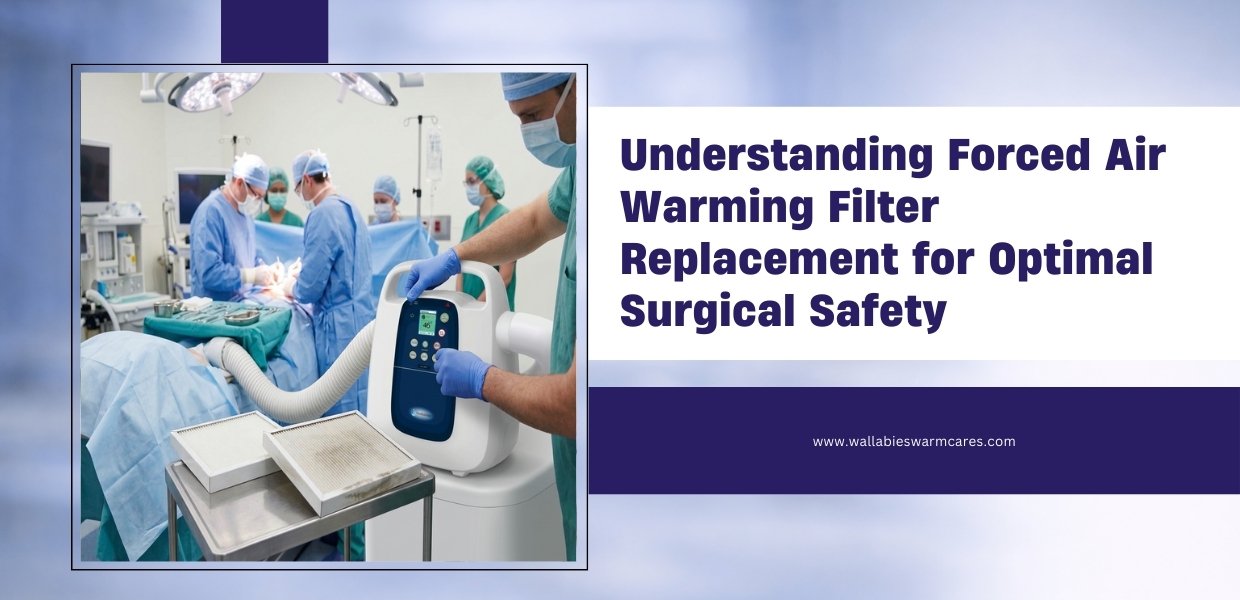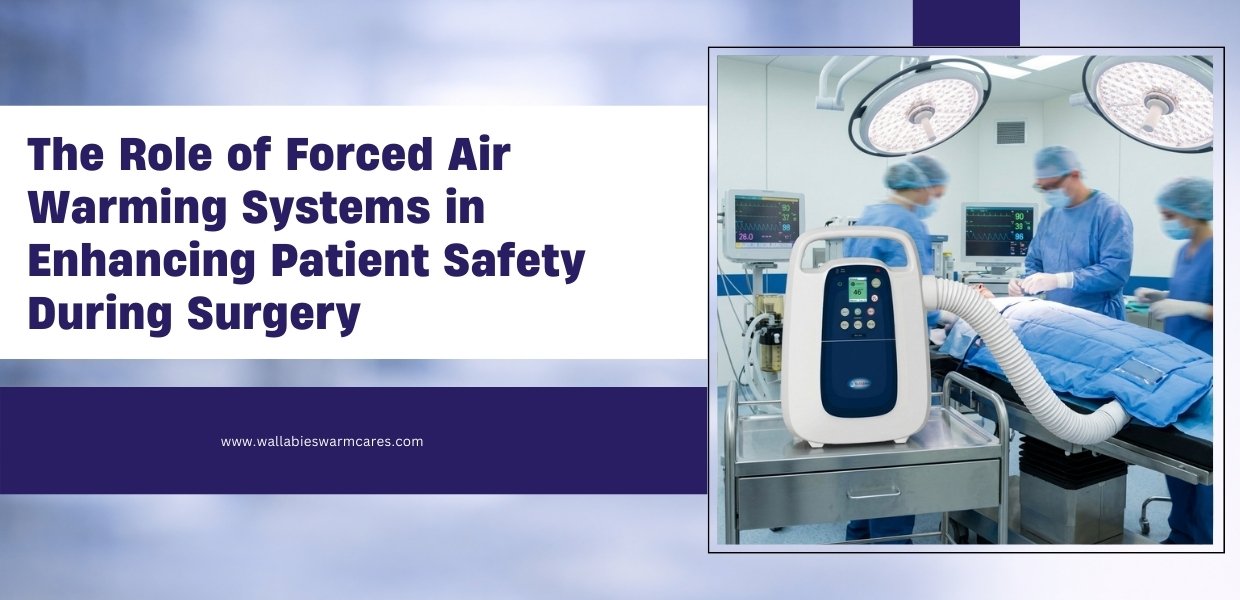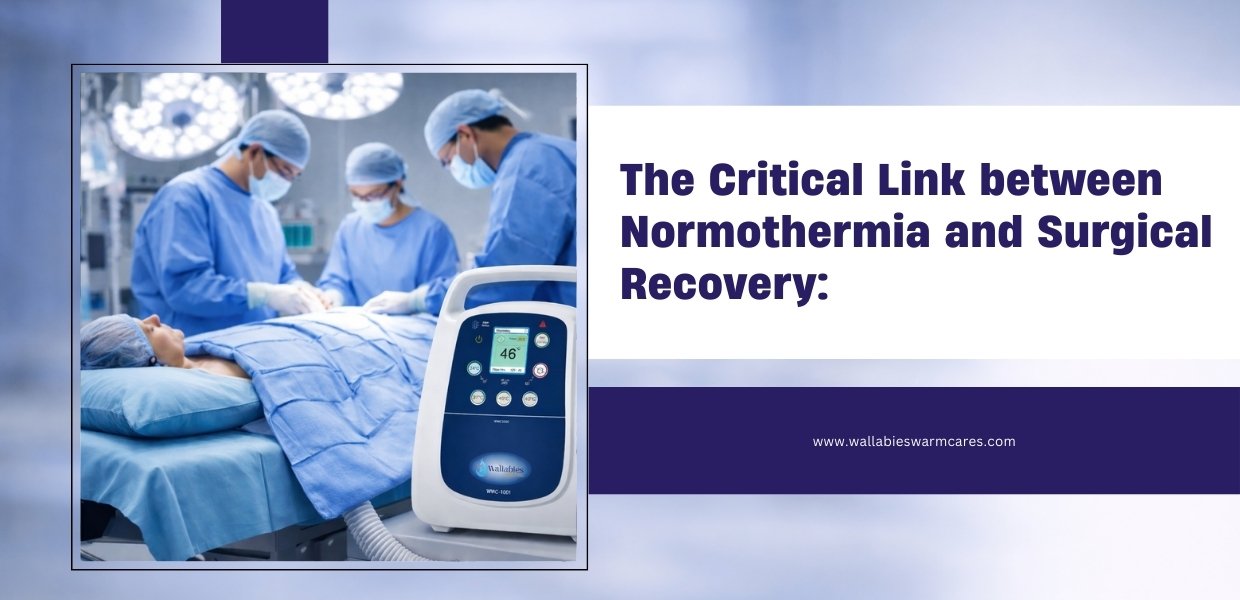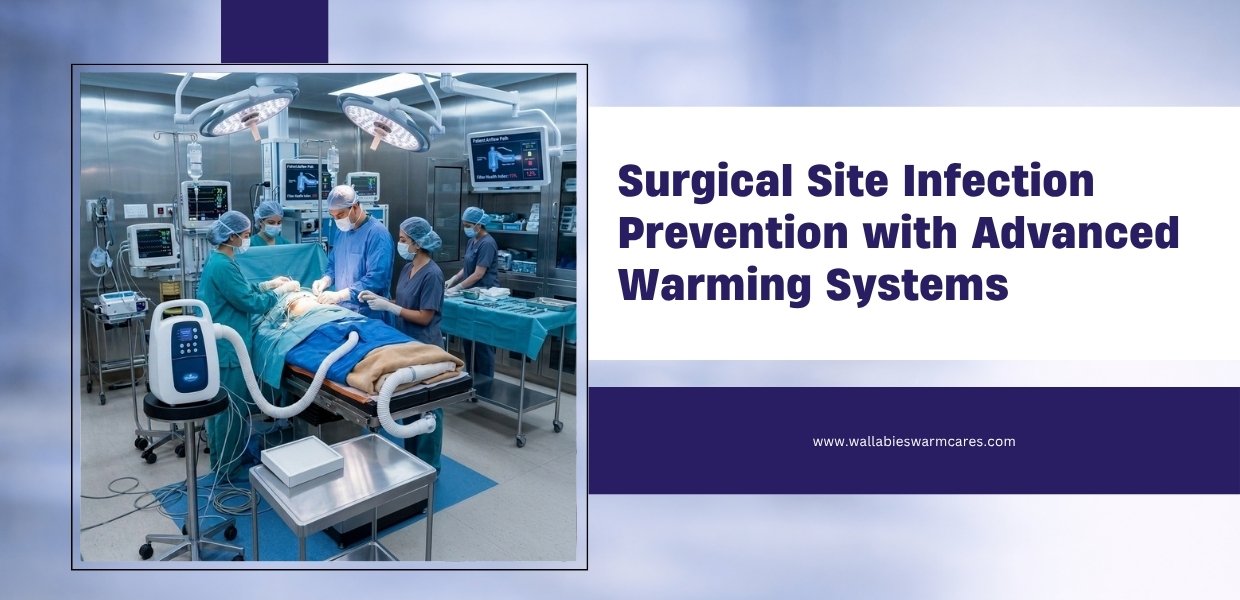
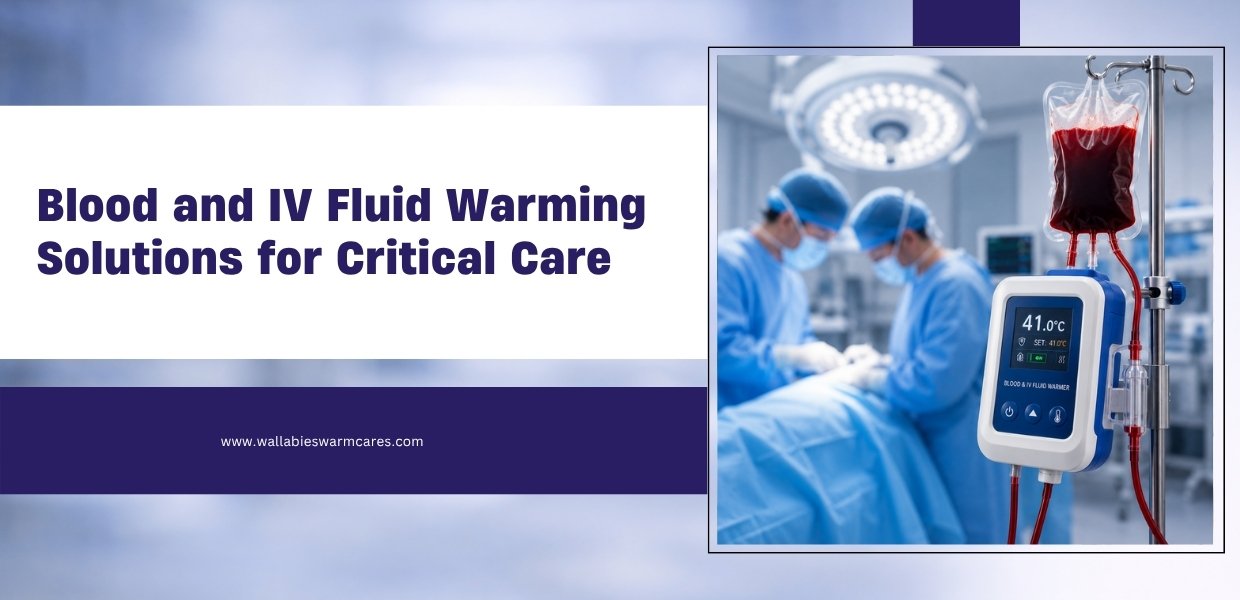
Did you know that up to 30% of patients undergoing surgery experience hypothermia, potentially leading to serious complications? Managing patient temperature and ensuring safe fluid administration remain pivotal challenges in critical care. The need for effective solutions is underscored by increasing patient safety standards and emerging technologies. This article delves into how blood and IV fluid warmers play a crucial role in enhancing patient safety and surgical outcomes by preventing hypothermia and improving fluid management.

Table of Contents
- The Importance of Blood and IV Fluid Warmers in Preventing Hypothermia
- Assessing Different Warming Technologies and Their Impact
- Addressing User Pain Points Around Device Reliability
- Best Practices for Maintaining and Operating Warming Devices
- Frequently Asked Questions
- Conclusion
- Related Resources
The Importance of Blood and IV Fluid Warmers in Preventing Hypothermia
Mechanisms of Action
Blood and IV fluid warmers are essential tools in clinical practice for preventing hypothermia during surgeries. They operate on various principles to elevate the temperature of fluids before administration, ensuring a normothermic state is maintained. The primary blood warming mechanisms include conduction, convection, and resistive heating, each designed to elevate the temperature efficiently while minimizing blood exposure time to warming devices.
According to NIH research, properly utilized blood warmers can prevent a significant drop in patient body temperature, thereby reducing the risks associated with hypothermia during procedures. This enhances surgical safety, allowing anesthesiologists and healthcare teams to focus on more critical aspects of patient management without worrying about temperature-associated complications.
Clinical Outcomes Associated with Warming Devices
The clinical outcomes linked with using warming devices have demonstrated noteworthy improvements in patient safety metrics. Studies consistently show that patients administered warmed blood products and IV fluids experience lower instances of infection, reduced blood loss, and shorter hospital stays. This correlation emphasizes the significance of implementing blood and IV fluid warmers in standard operating procedures.
Furthermore, guidelines from reputable organizations like the AORN outline comprehensive recommendations on fluid management, explicitly stressing the utility of warming devices in maintaining patient temperature. The statistics underscore a need for healthcare professionals to integrate these technologies within clinical practices to enhance overall patient outcomes.
Assessing Different Warming Technologies and Their Impact
Types of Blood Warming Systems
Several blood warming systems are available in the market, each employing different technologies to meet the diverse needs of healthcare providers. Convection warmers use heated air circulated around the blood bags, and conduction warmers heat the blood by direct contact with heated surfaces.
Resistive heating systems offer another alternative by using electrical currents to generate heat, presenting unique advantages regarding control and response time. Each of these technologies adds a layer of versatility and efficacy in preventing hypothermia during surgeries and transfusions.
Healthcare professionals should evaluate the types of blood warming systems to determine which technology best fits their clinical requirements and patient safety protocols.
The Role of IoT-Enabled Solutions in Critical Care
The integration of IoT-enabled solutions in warming devices has revolutionized patient temperature management and equipment safety. These smart warming technologies allow continuous monitoring of fluid temperatures, automatically adjusting as needed to maintain optimal conditions.
With regulatory bodies advocating for stringent compliance standards, the importance of using advanced warming solutions cannot be stressed enough. The FDA regulations for warming devices highlight the necessity for real-time data tracking to enhance patient safety and device reliability. This innovative approach not only assists healthcare providers in managing hypothermia but also mitigates the risks associated with fluid administration.
Addressing User Pain Points Around Device Reliability
Reliability Challenges in Warming Devices
Despite their benefits, blood and IV fluid warmers do face reliability challenges that can hinder their effectiveness. Common issues include overheating, inconsistencies in temperature regulation, and equipment malfunctions, which can lead to adverse patient outcomes.
Healthcare teams must be aware of these challenges and understand how they may affect their patients. Engaging with this knowledge is crucial, as it enables clinicians to address potential biases towards warming devices and instills confidence in their capabilities.
Solutions to Ensure Safe Operation
To mitigate these risks, it is essential for healthcare professionals to establish a thorough understanding of maintaining blood warmer safety. Following established protocols is crucial—these may include conducting regular device audits, implementing preventive maintenance checks, and ensuring that medical staff receive proper training regarding the equipment.
As outlined in credible sources like the guidelines for effective warming practices, employing these strategies can significantly reduce overheating risks and enhance the reliability of blood warming devices.
Best Practices for Maintaining and Operating Warming Devices
Routine Maintenance Checks
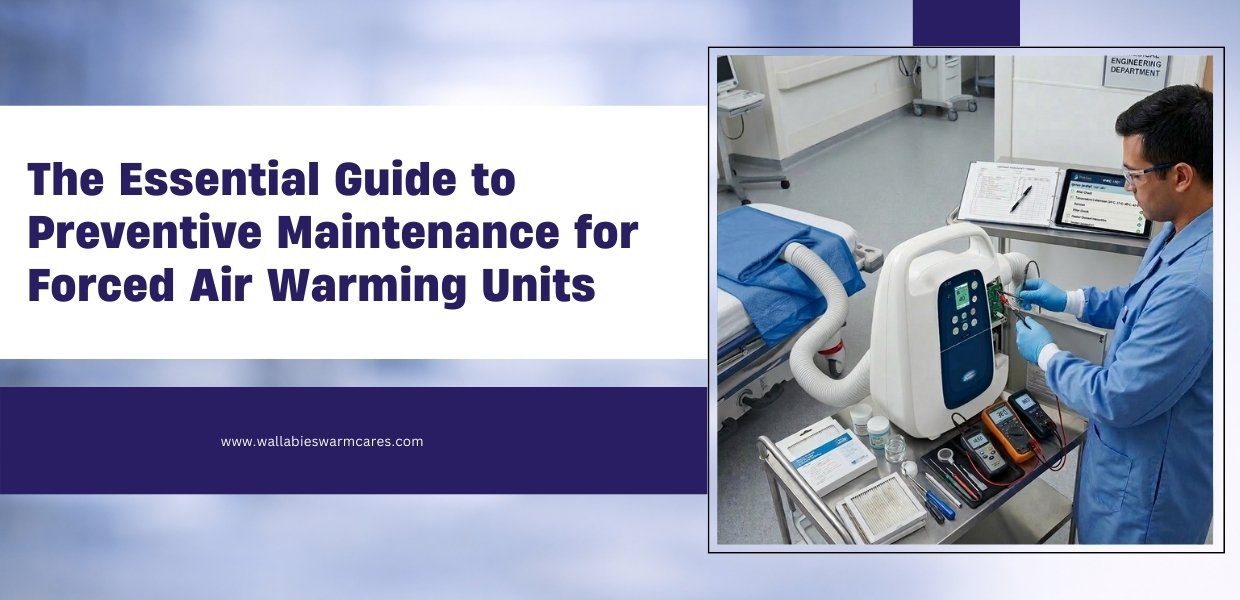
Implementing routine maintenance checks for warming devices is a non-negotiable practice that ensures their functionality and effectiveness. Scheduled maintenance should focus on examining the electrical components, checking temperature calibration, and cleaning the equipment to prevent contamination. These proactive measures will minimize the risk of device failures during critical use times.
Training Staff on Proper Usage
Training healthcare staff on the proper usage of warming devices cannot be emphasized enough. Continuous education programs can provide insights into emerging technologies, best practices, and troubleshooting steps when challenges arise. Training enhances operational guidelines for nurses and anesthesiologists, helping them navigate the complexities of modern warming technology effectively.
Implementing strong training protocols ensures that team members are well-equipped to manage patient temperature and eliminate risks associated with improper device operation.
Frequently Asked Questions
Q: How do blood warmers prevent hypothermia during surgery?
Blood warmers work by raising the temperature of blood and IV fluids before they enter the patient, vital in maintaining normal body temperature and preventing surgical complications.
Q: What are the different types of blood warming devices?
There are several types, including conduction warmers, convection warmers, and resistive heaters, each with unique operational mechanisms and applications.
Q: How should warming devices be maintained?
Regular maintenance should include routine checks of equipment functionality, cleanliness, and adherence to user manuals to ensure reliability.
Q: Are there risks associated with using blood warmers?
Yes, potential risks include overheating and equipment failure. Proper training and equipment checks are essential to mitigate these risks.
Conclusion
Blood and IV fluid warmers are essential in preventing hypothermia and improving surgical patient safety. Understanding different warming technologies enables healthcare professionals to choose the best solutions for their needs. Furthermore, adopting best practices for maintenance and training is vital to ensure safe operation.
To improve your critical care practices, explore our range of blood warming solutions or contact us for expert consultations. Using advanced warming solutions leads to better patient outcomes and enhances overall safety in clinical settings.
Related Resources
- Blood and Fluid Warmers – Overview of various warming options available.
- Forced Air Patient Warming Machine – Details about forced air systems and their benefits.
- Contact Us – Reach out for personalized queries on product offerings.