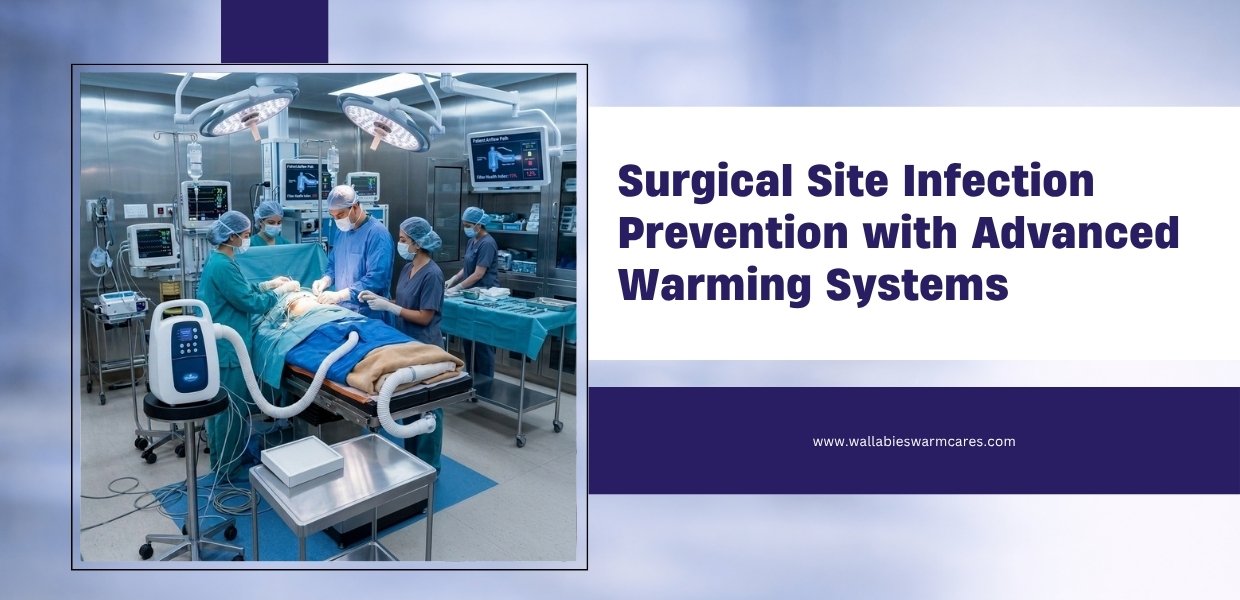
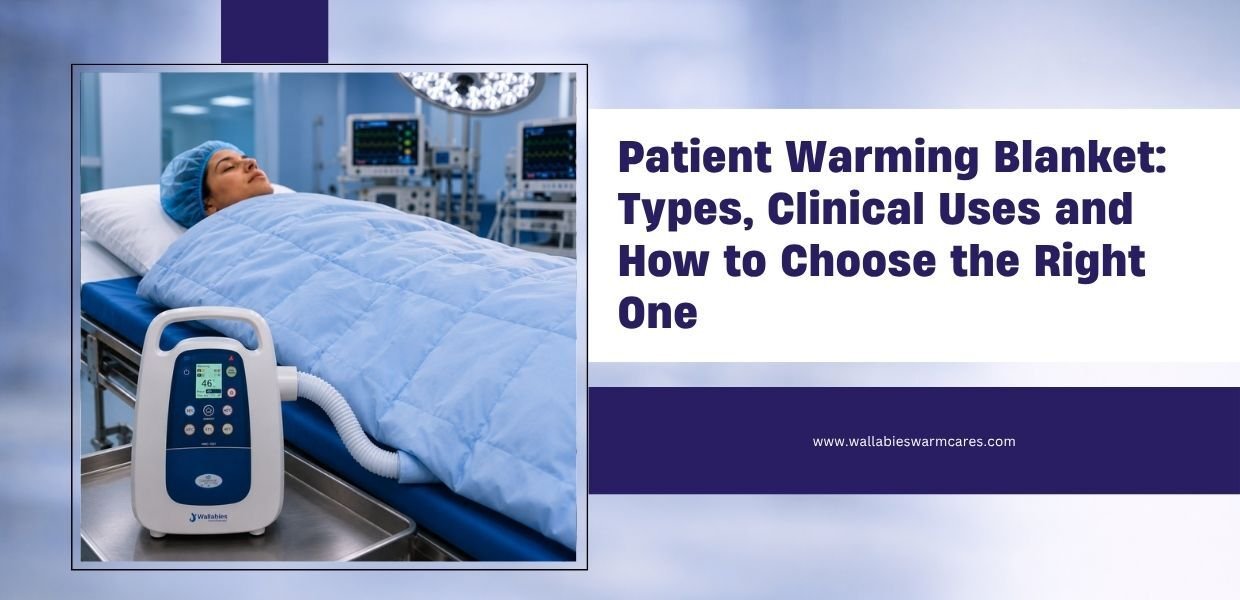
Did you know that maintaining normothermia during surgery can significantly reduce complications and improve patient outcomes? Healthcare professionals often face challenges in keeping patients warm, leading to potential hypothermia during surgical procedures, which can affect recovery times and overall safety. In this article, we will explore the various benefits of patient warming blankets, their clinical applications, and provide a comprehensive guide for selecting the right warming solution.

Table of Contents
- Understanding Patient Warming Blankets and Their Importance
- Clinical Applications of Patient Warming Blankets
- Benefits of Using Patient Warming Blankets
- Active vs. Passive Warming Methods: A Comparison
- Guidelines for Selecting the Right Patient Warming Blanket
- Innovations and Emerging Technologies in Patient Warming Solutions
- Frequently Asked Questions
- Conclusion
- Related Resources
Understanding Patient Warming Blankets and Their Importance
In modern healthcare, patient warming blankets play a pivotal role in maintaining patient temperatures during surgical and procedural interventions.
What Are Patient Warming Blankets?
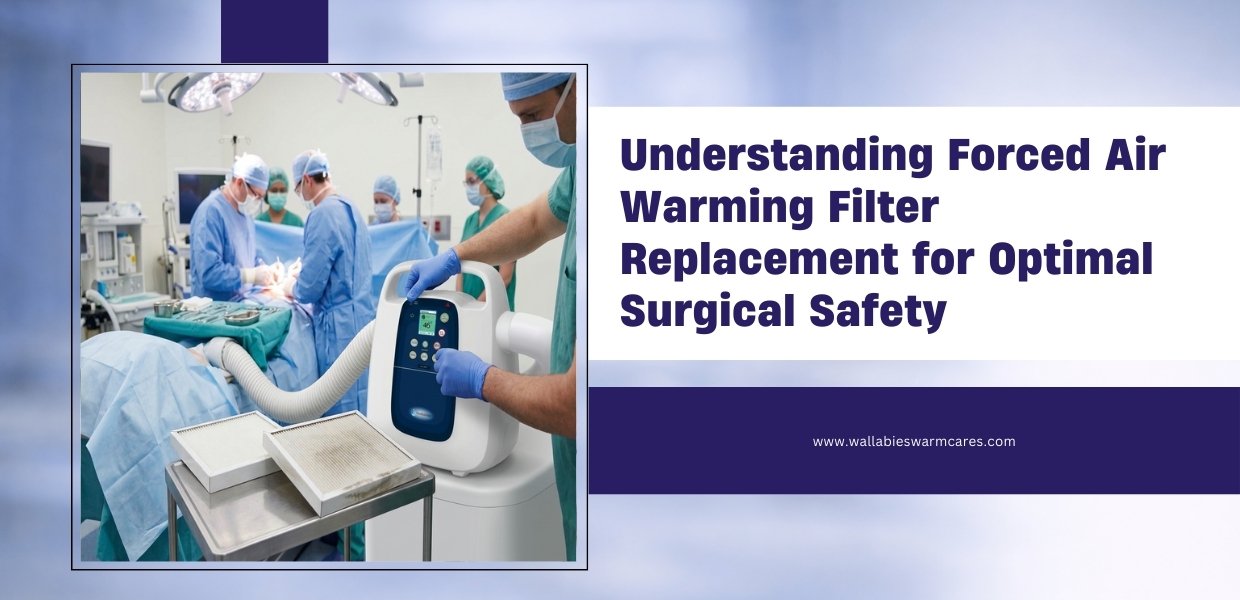
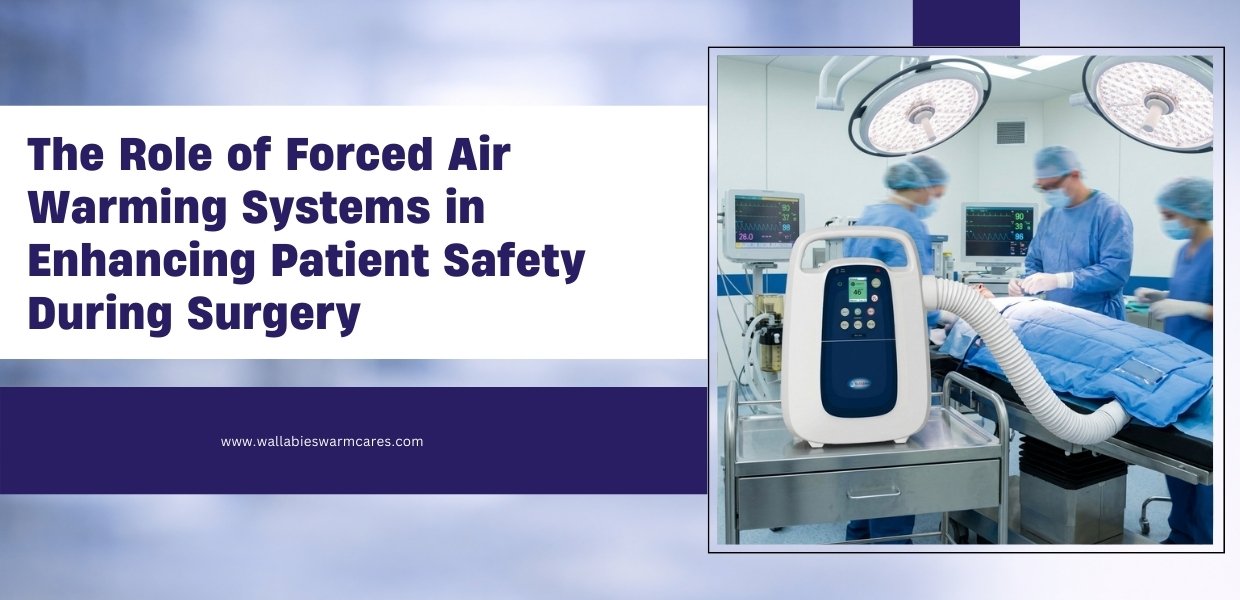
Patient warming blankets are medical devices used to regulate body temperature in patients, especially during and after surgical procedures. There are two predominant types: active warming blankets that use heated air or other mechanisms to generate warmth, and passive warming blankets that primarily provide insulation to retain body heat.
Active warming blankets, often made from materials such as polyester and fleece, use heated air systems to increase patients’ body temperatures effectively, especially in cold surgical environments. Passive warming blankets, often referred to as “space blankets”, use reflective materials to trap heat without external power sources.
According to research by the National Institutes of Health, patient warming blankets have been vital in preventing hypothermia in surgical settings, leading to safer and improved recovery experiences.
The Clinical Importance of Maintaining Normothermia
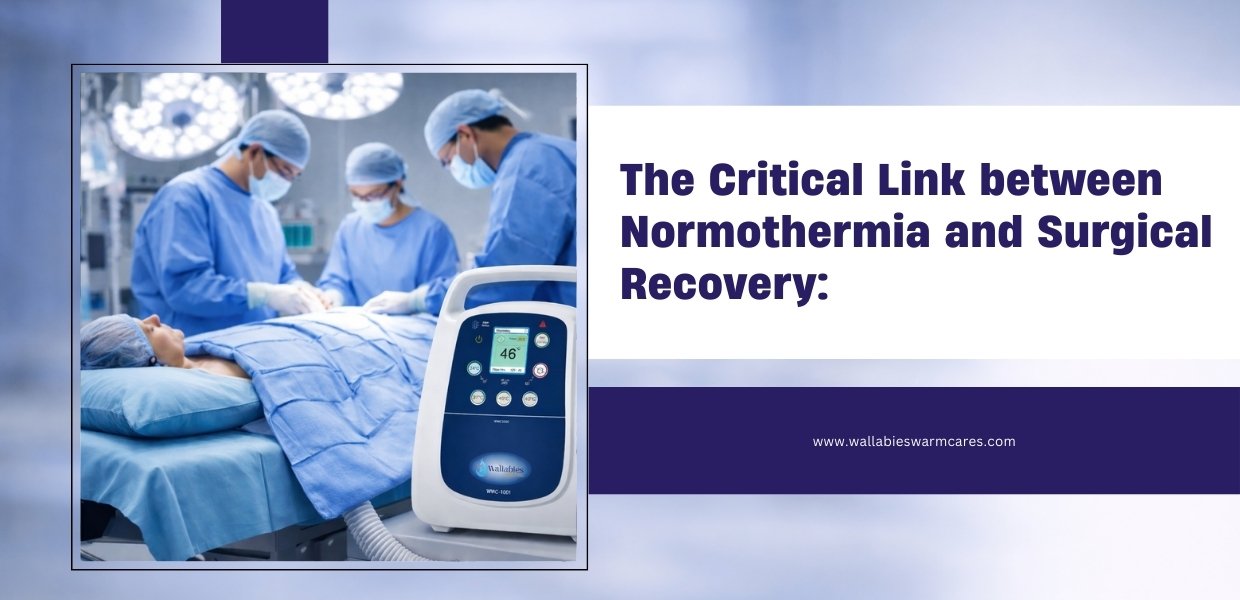
Maintaining normothermia in surgical settings is critical. Hypothermia can lead to various complications such as increased blood loss, prolonged recovery, and a higher risk of surgical site infections. The World Health Organization’s guidelines on surgical site infection prevention emphasize that keeping patients warm minimizes the risk of these complications and promotes faster recovery.
Through maintaining normothermia with patient warming blankets, healthcare providers can significantly enhance patient safety and improve overall surgical outcomes.
Clinical Applications of Patient Warming Blankets
The applications of patient warming blankets extend across various clinical scenarios, illustrating their versatility in enhancing patient care.
Surgical Procedures
In surgical settings, especially for high-risk operations such as orthopedic and cardiac surgeries, maintaining the patient’s body temperature is crucial. Surgical teams use warming blankets to prevent intraoperative hypothermia, which can complicate the procedure and recovery. Studies indicate that the application of warming blankets during these surgeries reduces the incidence of hypothermia and related complications.
Postoperative Care
Warming blankets are invaluable during postoperative recovery periods. According to a report from Oregon Health & Science University, patients who utilize warming blankets during recovery experience shorter hospital stays and decreased discomfort. The efficiency of maintaining warmth post-surgery aids in pain management and can potentially lead to a quicker discharge.
Ambulatory and Emergency Care
In emergency settings and outpatient procedures, patient warming blankets serve as critical components for managing patient care. They can quickly raise a patient’s body temperature during initial assessments, thereby facilitating better overall care. Emergency departments often utilize warming blankets for trauma patients who arrive hypothermic due to environmental exposure or injury.
Benefits of Using Patient Warming Blankets
The advantages of implementing patient warming blankets in clinical settings are multifaceted.
Reducing Complications and Recovery Times
Warmth is essential in reducing surgical complications, particularly infection rates. Research indicates that maintaining normothermia with warming blankets decreases the risk of wound infections by promoting better blood circulation and immune response. By integrating patient warming blankets into surgical protocols, healthcare professionals can significantly improve patient outcomes and decrease recovery times.
Enhancing Patient Comfort and Experience
Beyond clinical benefits, patient warming blankets offer substantial psychological advantages. Patients often report feeling more comfortable and relaxed when provided warmth during procedures. This comfort can mitigate anxiety associated with surgery and enhance overall patient experience, which is especially important for patient satisfaction ratings.
Versatility in Usage
Patient warming blankets demonstrate versatility across healthcare environments. Whether in the operating room, recovery area, or emergency department, these devices adapt to various clinical needs. Their usability in diverse scenarios underscores their essential role in modern patient care protocols.
Active vs. Passive Warming Methods: A Comparison
Understanding the distinctions between active and passive warming methods is fundamental for healthcare professionals.
Active Warming Techniques
Active warming techniques utilize electronic devices that generate heat to maintain a patient’s temperature. Common examples include forced-air warming systems, which use heated air blown into blankets wrapped around the patient. These devices have been shown to effectively maintain normothermia and are widely regarded as efficient warming solutions in surgical settings.
Passive Warming Techniques
Passive warming techniques involve using materials that retain heat without external energy sources. For example, a thermal blanket traps the body’s natural heat, providing warmth. While beneficial, passive warming techniques may not be as effective in instances where rapid temperature elevation is crucial.
Efficacy in Clinical Scenarios
Research shows varying efficacy between the two warming methods. A meta-analysis found on effectiveness of warming methods indicates that while passive warming can be useful, active warming systems are generally superior for preventing hypothermia and enhancing patient recovery post-surgery.
Guidelines for Selecting the Right Patient Warming Blanket
Choosing the appropriate warming blanket requires careful consideration of clinical needs.
Understanding Clinical Requirements
Understanding clinical needs is the first step in selecting a warming blanket. Healthcare professionals must assess the specific scenarios in which the blanket will be used, whether during surgeries or in postoperative care, to choose an appropriate type.
Budget Considerations and Cost-Effectiveness
Budget constraints are a common concern in healthcare settings. It’s essential to find affordable warming solutions that do not compromise quality. Comparatively pricing different models and considering long-term value alongside initial costs can guide procurement decisions effectively.
Assessing Quality and Compliance
Ensuring that selected products meet quality and safety standards is crucial. Referring to practices outlined by the Association of Surgical Technologists, medical professionals should ensure that warming blankets are compliant with healthcare regulations and high-quality manufacturing standards to guarantee patient safety.
Innovations and Emerging Technologies in Patient Warming Solutions
The landscape of patient warming technology is evolving, with exciting advancements on the horizon.
Smart Warming Solutions
Smart warming solutions integrate technology for temperature monitoring and control, allowing healthcare providers to adjust settings accurately according to patient needs. These advancements improve logistics and ensure that patients receive optimal comfort and care during procedures.
Research and Future Directions
Ongoing research highlights the need for continued innovation in patient warming technologies. Future trends indicate a move toward personalized warming solutions that adapt to patients’ unique physiological responses and clinical needs, thereby enhancing both comfort and effectiveness in care delivery.
Frequently Asked Questions
Q: What are the benefits of using patient warming blankets?
Patient warming blankets help maintain normothermia, reduce the risk of surgical site infections, and improve patient comfort and recovery times.
Q: How do warming blankets work?
Warming blankets use either passive insulation or active heating methods to maintain a patient’s body temperature during surgical procedures or recovery.
Q: What should I consider when buying a patient warming blanket?
Factors include clinical needs, budget, compliance with healthcare standards, and effectiveness in preventing hypothermia.
Q: Are there different types of patient warming blankets?
Yes, there are active warming blankets powered by machines and passive blankets that rely on insulation to retain body heat.
Q: What are the common uses for patient warming blankets?
They are commonly used in surgical settings, recovery rooms, and emergency care to keep patients warm during and after procedures.
Conclusion
Patient warming blankets play a crucial role in maintaining patient comfort and safety during surgeries. Understanding the benefits and applications can enhance decision-making for healthcare professionals, while awareness of the available options leads to better patient outcomes. By evaluating options carefully, healthcare providers can choose the right warming solutions that meet clinical needs. Explore more about our innovative patient warming solutions and how they can improve your practice today. Remember, patient warming blankets are not just accessories; they are essential tools for providing optimal patient care in surgical settings.
Related Resources
- Warming Blankets – Comprehensive guide on the types and benefits of warming blankets.
- Forced Air Patient Warming Machine – Overview of forced-air warming technology.
- Blood and Fluid Warmers – Information on heating solutions for IV fluids.
- Contact Us – Get in touch for customized solutions and inquiries.