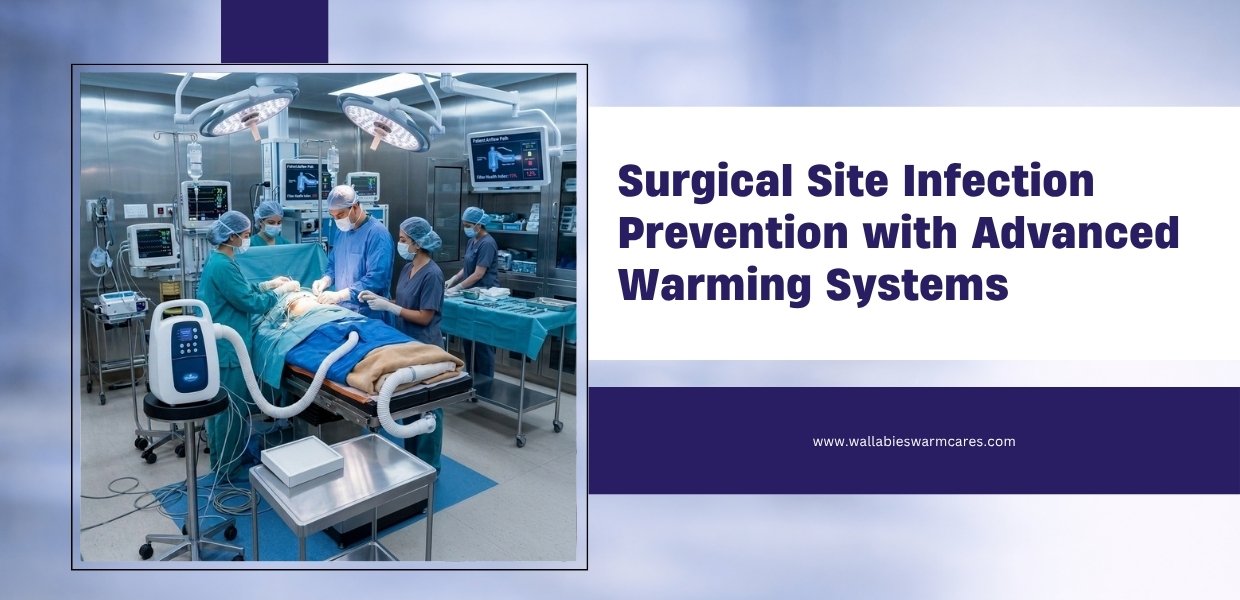
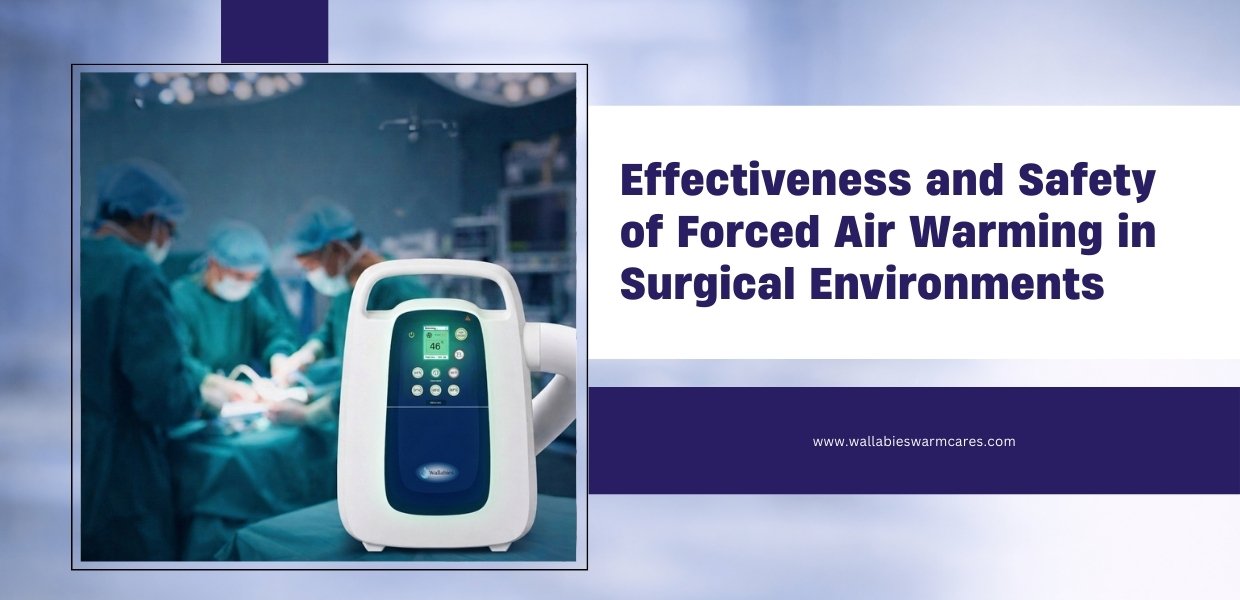
Did you know that maintaining normothermia during surgery can significantly impact patient outcomes? With surgery being a stressful experience for patients, the importance of body temperature regulation cannot be overstated. Despite the benefits of keeping patients warm, concerns about infection risks associated with forced air warming in surgical settings persist, leading to confusion among healthcare professionals. This article will explore the effectiveness and safety of forced air warming systems, providing evidence-based insights to help healthcare professionals make informed decisions.
Table of Contents
- Understanding the Impact of Forced Air Warming on Patient Safety
- Effective Use of Forced Air Warming Systems
- Benefits of Forced Air Warming in Surgical Settings
- Frequently Asked Questions
- Conclusion
Understanding the Impact of Forced Air Warming on Patient Safety
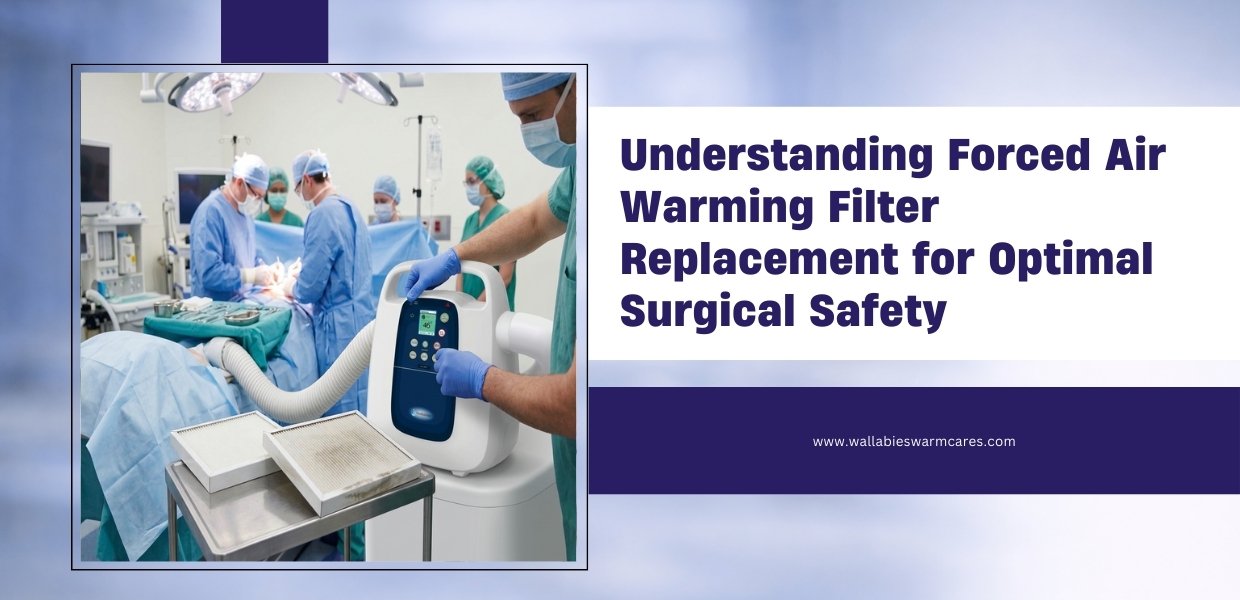
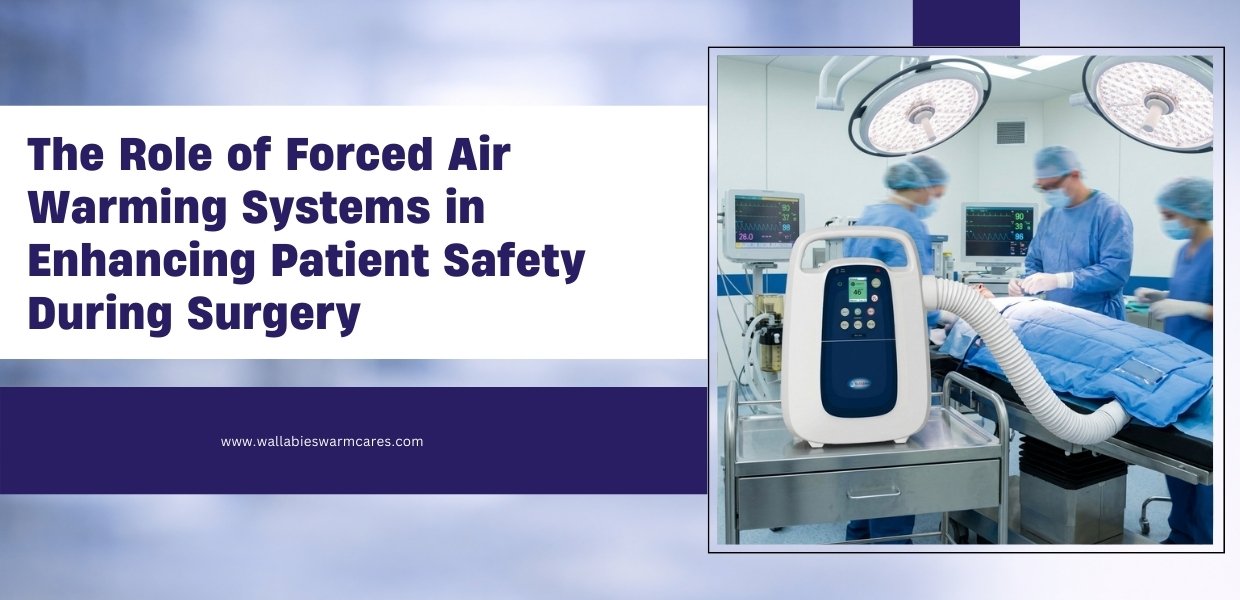
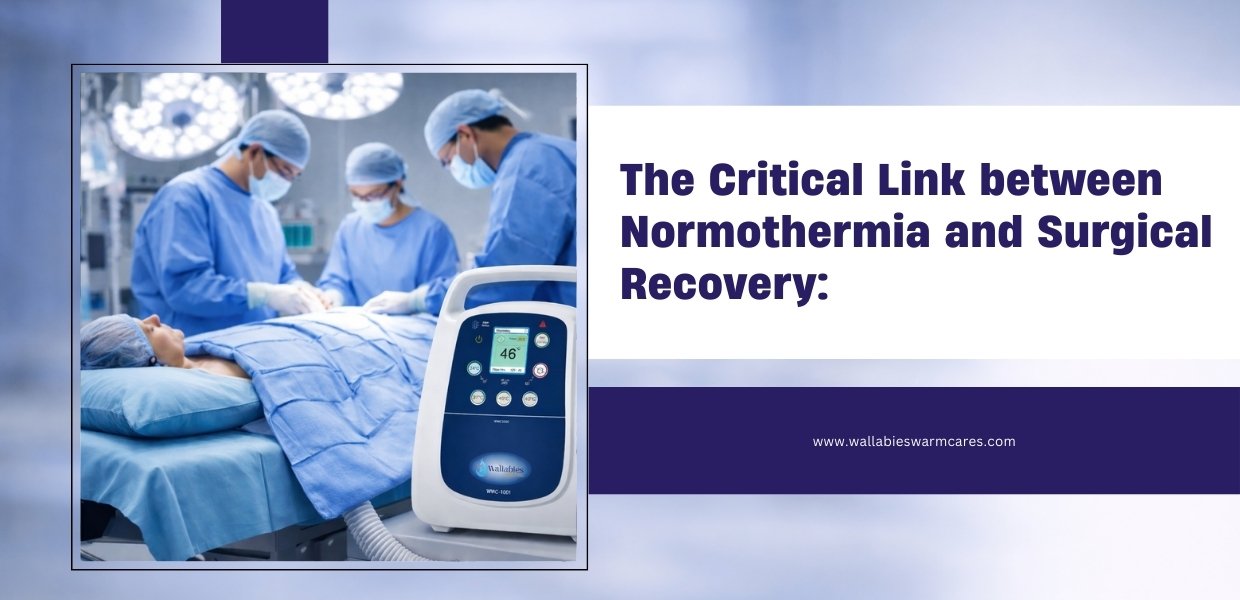
Maintaining body temperature in surgical environments is crucial for preventing complications. Forced air warming systems play an essential role in achieving normothermia. These systems work by circulating warmed air around the patient, using a specially designed blanket. They help prevent hypothermia, which can lead to surgical site infections, increased blood loss, and longer hospital stays.
The Science of Forced Air Warming
Forced air warming systems are designed to maintain body temperature during surgery by delivering warm air through blankets fitted over patients. According to research published by NIH, these systems are effective in managing hypothermia, which often results from the cool temperatures in operating rooms. Hypothermia can impair immune response and prolong recovery times, making these systems vital in surgical settings.
Addressing Infection Risks in the OR
Concerns about forced air warming systems disrupting laminar airflow and increasing infection rates are common among healthcare professionals. However, a study confirms the safety of forced air warming, indicating that, when used properly, these systems do not compromise infection control. Additionally, the positioning of these systems can mitigate any negative impacts on laminar airflow, ensuring patient safety. For instance, implementing appropriate warming technologies can ensure that patients are kept warm without jeopardizing infection control measures. Hospitals can enhance their infection prevention strategies by following rigorous guidelines.
While the controversy surrounding forced air warming persists, understanding its role in maintaining safety is paramount. Hospitals and surgical teams can leverage these systems effectively while adhering to infection control protocols.
Effective Use of Forced Air Warming Systems
To maximize the effectiveness of forced air warming, healthcare professionals must understand and implement best practices tailored for surgical environments.
Best Practices for Implementation
Integrating forced air warming systems requires careful planning and training. Key steps include:
- Positioning the air warming units correctly, ensuring they do not obstruct airflow.
- Monitoring patient temperatures throughout the procedure to gauge the effectiveness of the warming system.
- Training surgical teams on proper usage and integration into existing surgical protocols.
According to AORN’s best practices for patient warming, the initiatives mentioned have shown to effectively enhance temperature management in operating rooms.
Overcoming Common Challenges
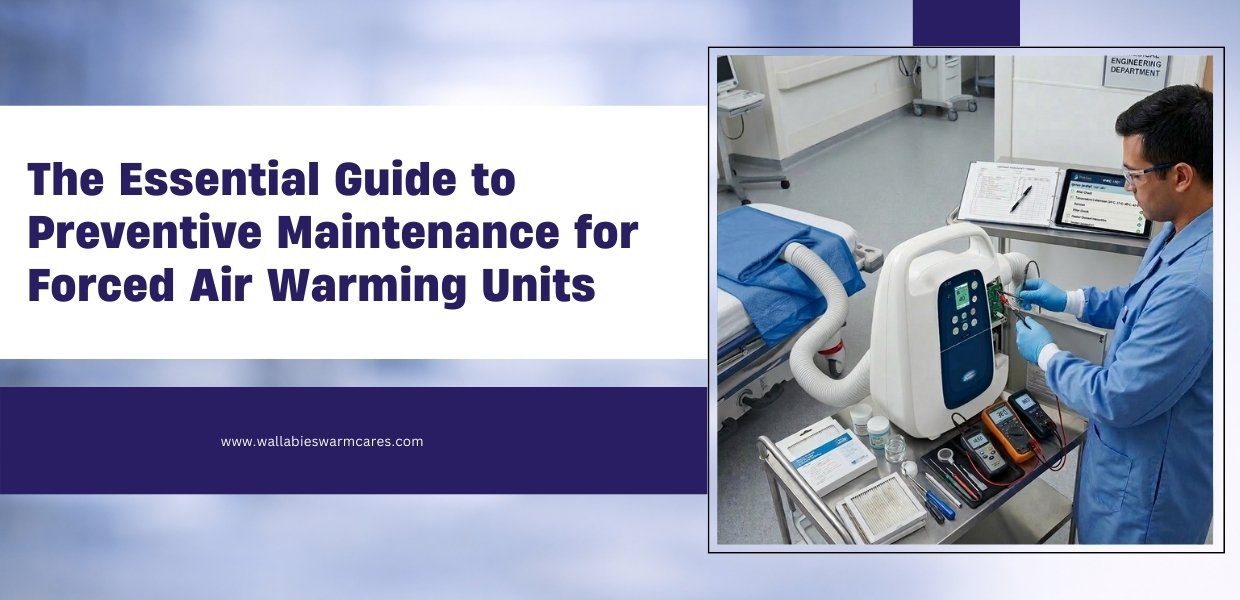
While beneficial, the use of forced air warming systems may present challenges such as equipment malfunction or inadequate training. To combat these issues, healthcare institutions should reference an evidence brief from OHSU, which outlines mitigating strategies, ongoing education programs, and system maintenance to ensure optimal performance. Implementing routine training for surgical staff is essential for addressing these common pitfalls and embracing patient-centered thermal care.
Benefits of Forced Air Warming in Surgical Settings
The advantages associated with using forced air warming systems extend beyond maintaining normothermia.
Reducing Hypothermia and Enhancing Recovery
An effective forced air warming system aids in maintaining normothermia, benefiting patient recovery. Patients who avoid hypothermia during surgery often experience shortened recovery times and improved health outcomes. As shown in a randomized controlled trial, the implementation of forced air warming significantly reduces complications that arise from temperature fluctuations, fostering a better overall surgical experience for patients.
Case Studies of Successful Implementation
Real-world applications of forced air warming highlight its positive outcomes. For instance, one hospital reported a dramatic reduction in surgical site infections after implementing a warming protocol that integrated forced air warming, showcasing tangible outcomes supported by vital metrics such as lower infection rates and shortened recovery times. Such case studies reinforce the effectiveness of warmed air systems within surgical practices, serving as guiding examples for other institutions.
Frequently Asked Questions
Q: What are the main benefits of forced air warming systems?
Forced air warming systems help maintain normothermia, significantly reducing the risk of hypothermia during surgery, which has been shown to improve recovery outcomes and reduce hospital stays.
Q: Can forced air warming systems increase infection risk in the OR?
While concerns have been raised about the impact of forced air warming on infection rates, proper implementation and adherence to guidelines can mitigate these risks effectively.
Q: How do I integrate forced air warming systems into current practices?
Integrating forced air warming systems involves positioning them correctly, training staff on best practices, and monitoring patient temperature closely throughout the surgical process.
Q: What are the best practices for using forced air warming systems in the operating room?
Best practices include training surgical teams, ensuring proper positioning, and referencing institutional guidelines on temperature management to balance safety and efficacy.
Conclusion
Forced air warming is effective in maintaining normothermia, thereby improving patient outcomes. Implementing best practices can mitigate associated risks and enhance patient safety during surgery. Evidence-based guidelines are essential for the effective use of forced air warming systems.
For more information on integrating forced air warming solutions, learn about our temperature management systems. Understanding the safety and effectiveness of forced air warming is crucial for healthcare professionals aiming to improve surgical outcomes without compromising patient safety.