Did you know that approximately 50% of patients experience hypothermia during surgery? Perioperative hypothermia is a significant concern in surgical environments, as it can lead to increased risks and complications like prolonged hospital stays and impaired recovery. This article will detail evidence-based best practices for preventing hypothermia in surgical settings, equipping healthcare professionals with practical strategies to enhance patient safety and optimize recovery.
Understanding Perioperative Hypothermia and Its Risks
Recognizing the importance of managing perioperative hypothermia is crucial in ensuring patient safety and improving surgical outcomes. When a patient’s body temperature drops below the normal range during surgery, several adverse effects can occur.
What Causes Perioperative Hypothermia?
Perioperative hypothermia often arises due to multiple factors, primarily the effects of anesthesia and the typical operating room environment. General anesthesia can disrupt the body’s thermoregulation, leading to vasodilation and increased heat loss. Additionally, low operating room temperatures are intentionally maintained to prevent overheating of surgical staff and the sterilization of equipment. This combination often results in a significant drop in patient temperature.
According to the National Institutes of Health, the impact of intraoperative hypothermia can greatly affect recovery times and overall surgical outcomes. For further information on this topic, visit our comprehensive guide to hypothermia facts.
Consequences of Unaddressed Hypothermia
The consequences of unaddressed hypothermia can include an increased risk of surgical site infections, prolonged recovery times, and other serious complications like cardiac events. Studies have also shown that hypothermic patients may experience complications such as increased bleeding and greater postoperative discomfort, all of which compromise patient care.
Implementing Normothermia Protocols in Surgical Settings
To effectively combat perioperative hypothermia, healthcare providers must be aware of and implement evidence-based normothermia protocols. These guidelines focus on maintaining normothermia throughout the surgical period, thereby enhancing patient safety and reducing complications.
Key Components of Normothermia Protocols
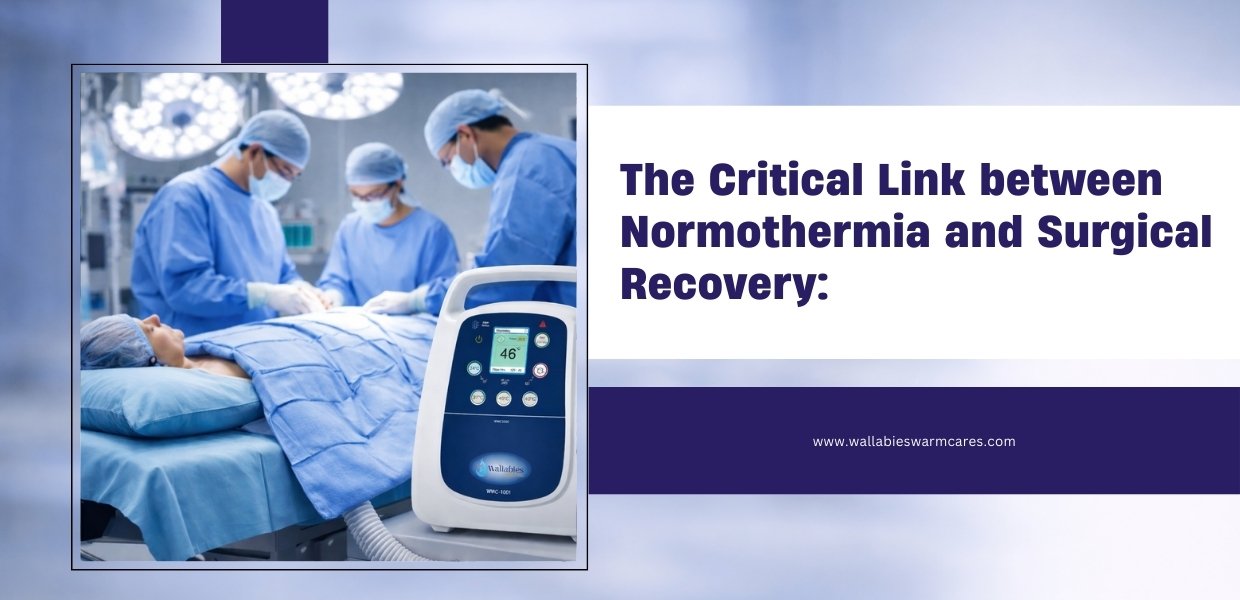
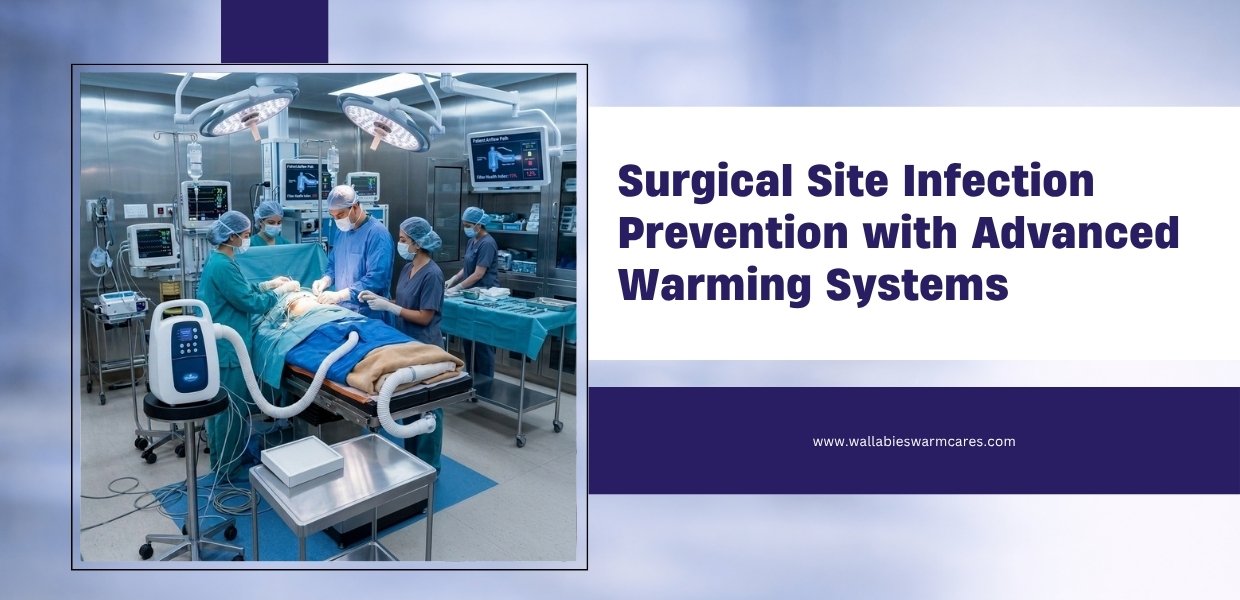
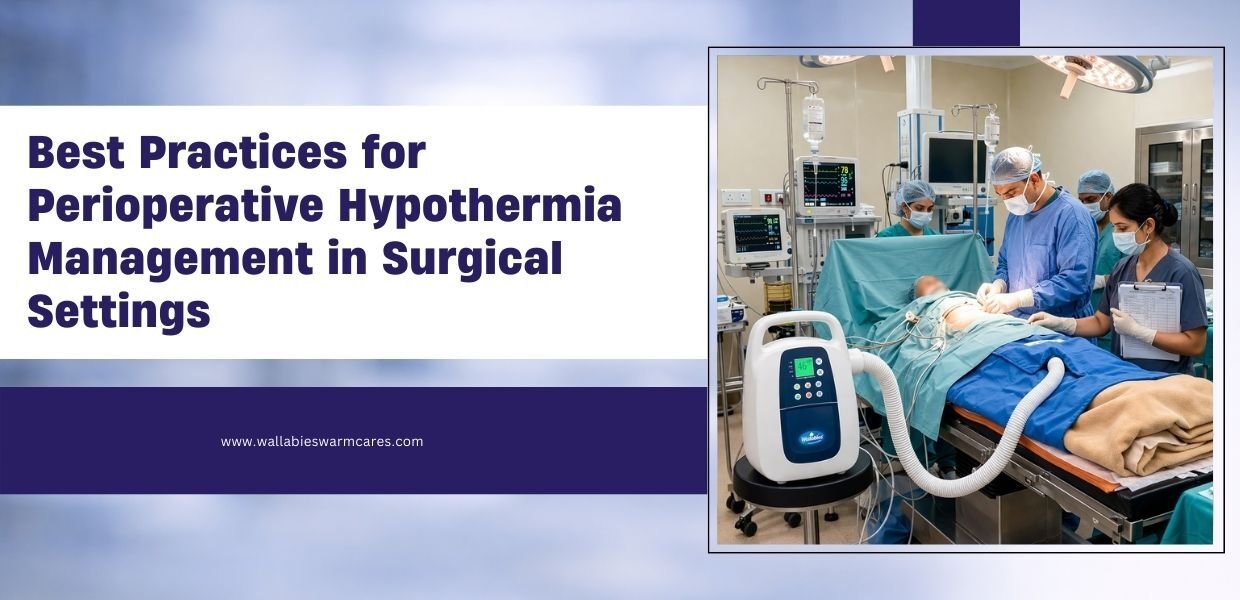
Normothermia protocols include several core elements, such as preoperative warming and continuous intraoperative temperature monitoring. Preoperative warming involves using forced-air warmers or heated blankets to raise the patient’s temperature before they are brought into the operating room. Intraoperatively, maintaining warmed IV fluids and using active warming devices can significantly reduce heat loss.
The AORN normothermia guidelines emphasize the importance of these strategies, supporting the implementation of comprehensive temperature management throughout the surgical process.
Multidisciplinary Approach to Temperature Management
Preventing perioperative hypothermia requires collaboration within the surgical team, including surgeons, anesthesiologists, nurses, and perfusionists. Each team member plays a vital role in recognizing the risks of hypothermia and actively participating in the implementation of warming protocols. This multidisciplinary approach ensures that all aspects of patient care are addressed effectively.
Innovative Techniques and Technologies for Temperature Management
With advancements in medical technology, innovative techniques and devices for temperature management are becoming increasingly accessible to surgical teams. These innovations can greatly enhance the effectiveness of hypothermia prevention strategies.
Active vs. Passive Warming Methods
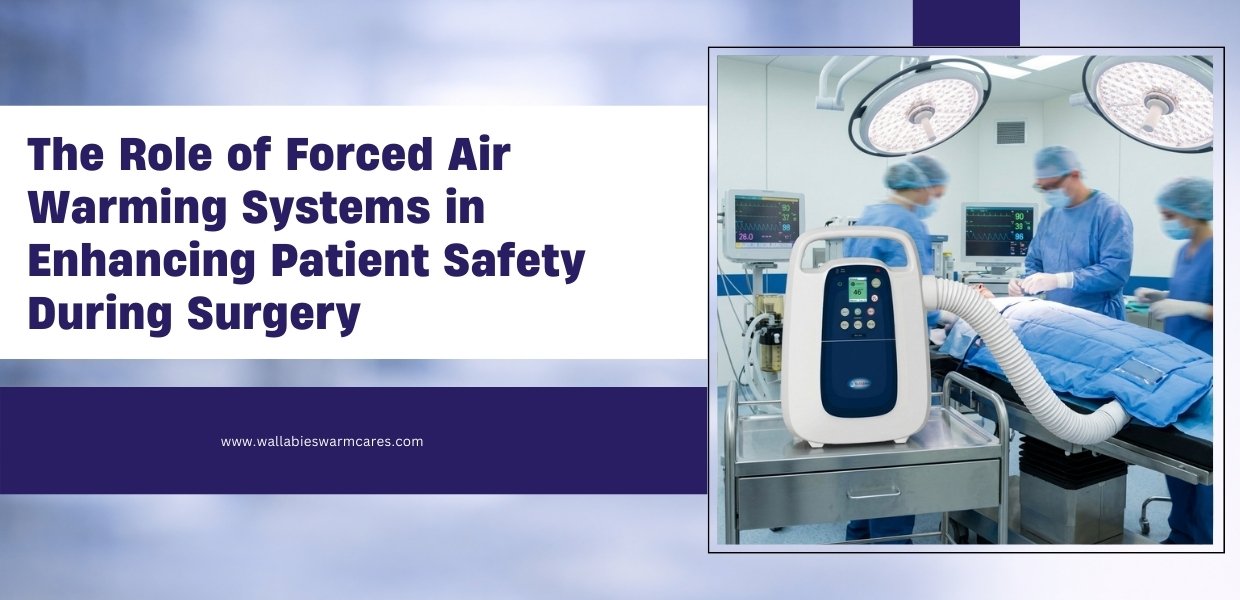
Active warming methods involve the use of devices that generate heat, such as forced-air warmers and warm fluid bags. These techniques are generally more effective and are recommended when rapid temperature correction is necessary. Passive warming methods, such as using blankets, are less effective on their own but can support active methods as adjuncts.
Monitoring Tools and Technologies
Intraoperative temperature monitoring is critical to assess the effectiveness of warming strategies. Modern temperature monitoring devices enable real-time data collection, allowing healthcare providers to detect hypothermia early and intervene promptly. Evidence-based findings indicate that continuous monitoring contributes significantly to lowering hypothermia incidences in surgical settings, as demonstrated in this comprehensive study.
Case Studies: Successful Strategies in Hypothermia Prevention
Real-world applications of hypothermia management protocols have yielded impressive results, illustrating the positive impact of structured approaches in surgical settings.
Highlighting Successful Outcomes
Anonymized case studies demonstrate how hospitals implemented structured warming protocols leading to significant reductions in postoperative complications. For instance, a surgical unit that adopted preoperative warming techniques observed a marked decrease in infection rates and patient discomfort during recovery.
Lessons Learned from Implementations
However, implementing these strategies is not without challenges. Some common barriers include resistance to change among staff and unfamiliarity with new warming technologies. Addressing these issues requires ongoing training, education, and the presentation of compelling data that illustrates the efficacy of best practices in hypothermia management.
Frequently Asked Questions
Q: What are effective warming techniques to prevent perioperative hypothermia?
Effective techniques include active warming devices like forced-air warmers and prewarming patients prior to induction.
Q: Why is monitoring temperature critical during surgery?
Monitoring a patient’s temperature helps detect hypothermia early, allowing for timely intervention and improved clinical outcomes.
Q: How does hypothermia affect postoperative recovery?
Hypothermia can lead to longer recovery times and increased susceptibility to infections, thereby complicating the surgical process.
Q: What is the role of anesthesiologists in preventing hypothermia?
Anesthesiologists play a crucial role in implementing warming protocols and closely monitoring patient temperatures during surgery.
Conclusion
Understanding and addressing perioperative hypothermia is vital for patient safety. Implementing normothermia protocols can significantly improve clinical outcomes, ensuring that patients remain within the optimal temperature range throughout their surgical journey. Innovative warming techniques and enhanced collaboration among the surgical team not only facilitate effective hypothermia management but also foster a culture of safety in surgical practices.
Explore more resources on effective temperature management strategies by visiting our site or downloading our comprehensive guide today.