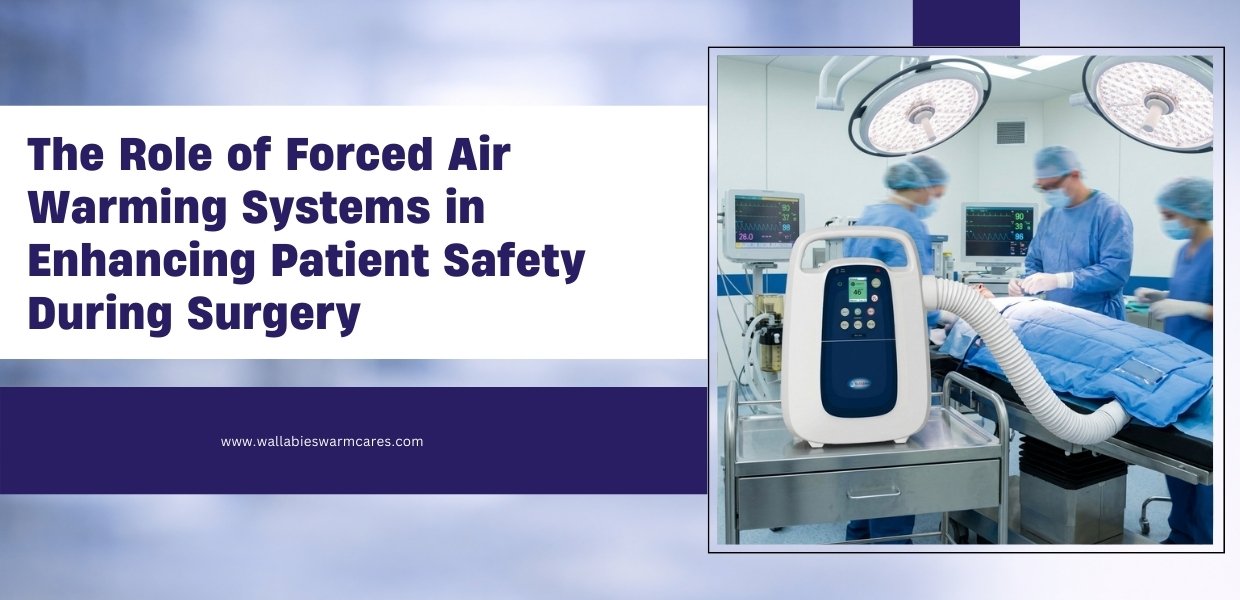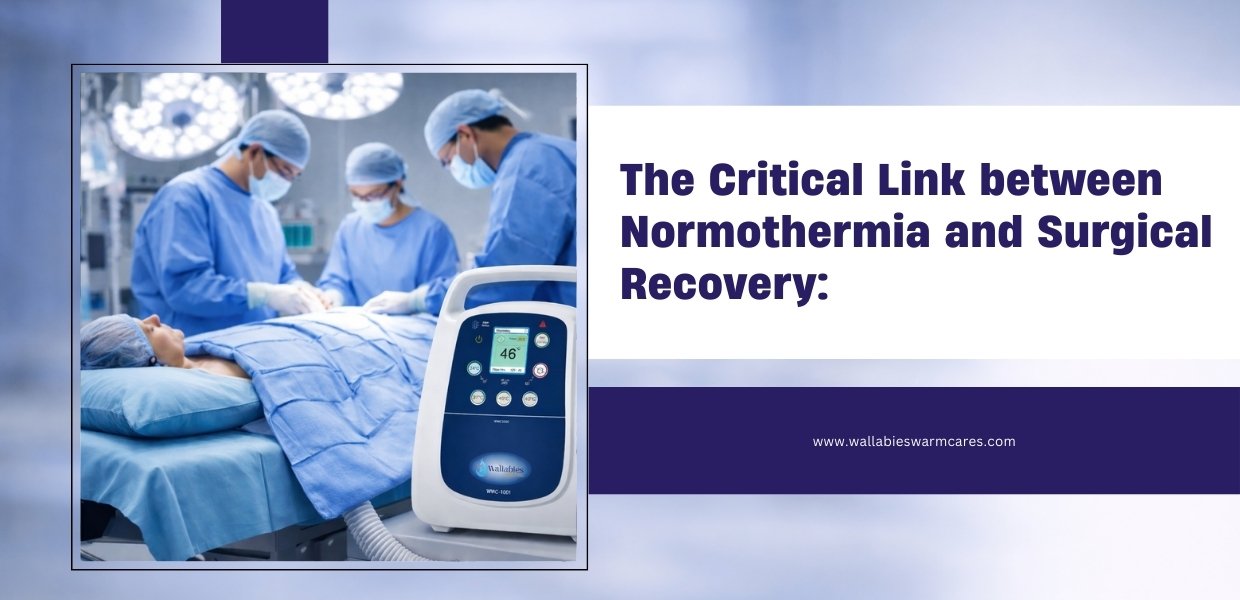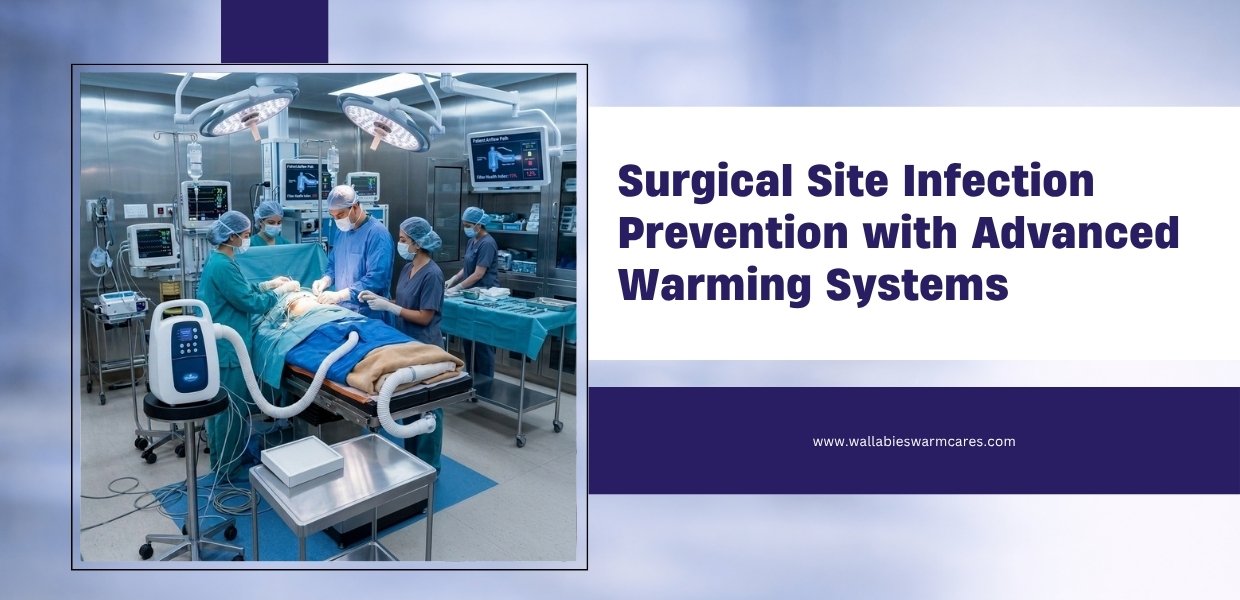
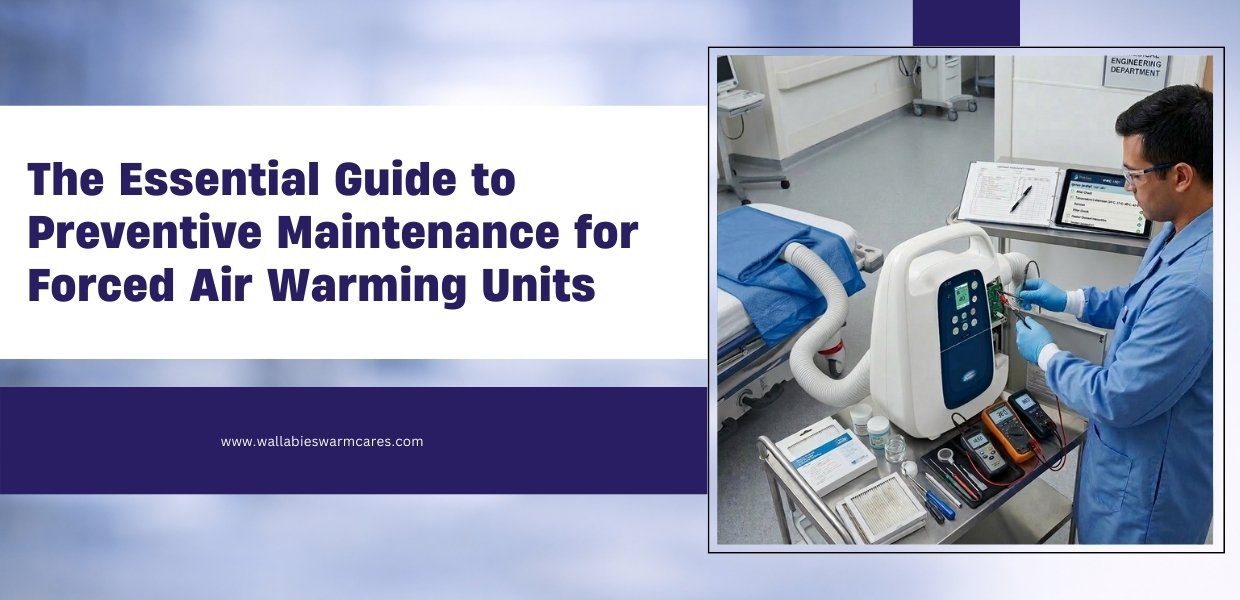
Preventive maintenance is key to ensuring the reliability and safety of forced air warming units in healthcare settings. Inadequate maintenance can lead to equipment failures that compromise patient safety, with many healthcare facilities unaware of the critical maintenance practices necessary for their devices. This guide provides comprehensive, actionable checklists, calibration techniques, and insight into the benefits of preventive maintenance specifically for forced air warming units.
Understanding the Importance of Preventive Maintenance for Forced Air Warming Units
Preventive maintenance is crucial for healthcare facilities relying on forced air warming units. Regular maintenance practices not only enhance the longevity of equipment but also play a significant role in ensuring patient safety and compliance with regulatory standards.
Compliance and Regulatory Standards
In the healthcare sector, compliance with HVAC compliance standards is non-negotiable. Regulatory bodies like the CDC guidelines on infection control and OSHA have set forth guidelines that necessitate rigorous maintenance protocols for medical devices. Equipment must be routinely checked and maintained to meet these standards, thereby protecting patients and ensuring smooth operations in healthcare facilities.
The Role of Preventive Maintenance in Patient Safety
Preventive maintenance directly impacts patient safety. By conducting regular inspections and calibrations, healthcare facilities mitigate the risks associated with equipment failures. For instance, adherence to OSHA standards related to medical equipment maintenance safeguards against malfunctions that could affect patient outcomes. This proactive approach not only ensures operational reliability but also enhances the quality of care provided to patients.
Essential Preventive Maintenance Checklists for Forced Air Warming Units
Having well-structured preventive maintenance checklists is critical for healthcare facilities managing forced air warming units. This section provides detailed checklists tailored to both daily and long-term maintenance tasks.
Daily Maintenance Tasks
Daily checks are essential to ensure the safe operation of forced air warming units. Healthcare technicians should perform these tasks daily:
- Temperature Check: Verify that the warming unit maintains the required temperature settings.
- Visual Inspection: Look for visible signs of wear or damage on the unit, including the heating elements.
- Alarm Functionality: Test alarm systems to confirm they function properly in case of failures.
- Airflow Verification: Check that airflow is unobstructed and functioning efficiently.
Monthly and Annual Maintenance Procedures
In addition to daily tasks, more comprehensive procedures are required monthly and annually:
- Calibration Checks: Monthly calibration of the unit to ensure optimal performance and compliance with standards.
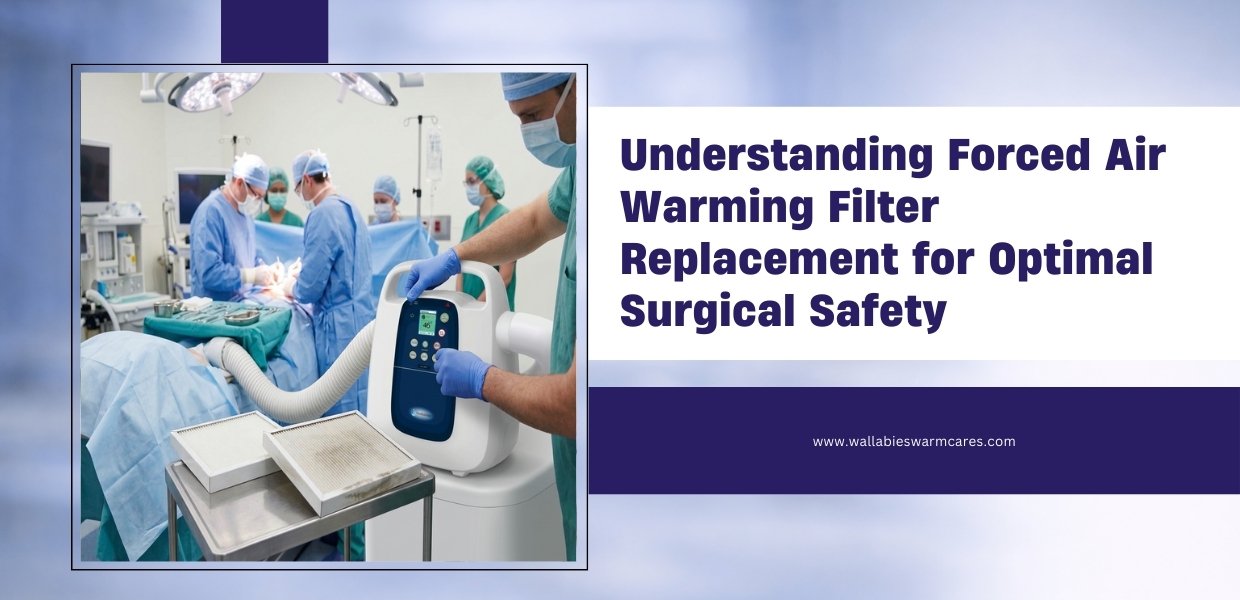
- Detailed Inspections: Annual thorough inspections that include cleaning of internal components and air filters.
- Documentation: Keep precise records of all maintenance activities, as recommended in the EPA recommended maintenance checklist.
By conducting these regular check-ups, healthcare facilities can significantly improve their operational efficiency and maintain compliance with health standards.
Best Practices for Maintaining Forced Air Warming Units
Incorporating best practices is integral to enhancing the efficiency and longevity of forced air warming units. This section discusses essential practices for healthcare facilities.
Calibration Techniques
Effective calibration techniques are vital for maintaining forced air warming units. Regular calibration should be performed using appropriate tools to ensure the accuracy of temperature outputs. Calibration should occur:
- At least monthly for active units.
- After any significant repairs or unit relocations.
Frequent calibration not only maintains patient safety but also ensures that the equipment operates within defined parameters.
Troubleshooting Common Issues
Healthcare technicians should also be adept at troubleshooting common HVAC issues that arise with forced air warming units. Common problems may include:
- Temperature Fluctuations: Often caused by faulty sensors; recalibrating can resolve issues.
- Alarm Malfunctions: Regular checks on alarm settings can prevent failures.
- Airflow Problems: Cleaning and inspecting air ducts and fans can enhance airflow efficiency.
Referencing the AHRI guidelines on HVAC systems can further inform technicians about troubleshooting practices and operational guidelines.
The Financial Impact of Preventive Maintenance on Healthcare Facilities
Implementing a preventive maintenance program can be a financially sound decision for healthcare facilities. This section explores the cost implications and benefits of maintaining HVAC units.
Regular maintenance prevents costly repairs and downtime. A proactive strategy can result in:
Cost-Benefit Analysis
- Reduced emergency repair costs as issues are addressed before they escalate.
- Extended life of HVAC units, resulting in lower overall replacement costs.
- Improved energy efficiency, leading to reduced operational costs.
Understanding the economic impact of preventive maintenance offers a clear incentive for healthcare facilities to invest in regular service and repairs.
Resource Allocation for Maintenance
Effective resource allocation is vital for successful maintenance strategies. Facilities should:
- Develop a budget specifically for HVAC maintenance.
- Train staff to handle routine checks, reducing dependency on external services.
- Schedule maintenance during off-peak hours to minimize operational disruption.
Proper resource allocation ensures continual compliance and maintenance of high standards, safeguarding both patients and the institution’s infrastructure.
Emerging Trends in HVAC Maintenance for Forced Air Warming Units
As technology evolves, so do HVAC maintenance practices. This section highlights emerging trends that are transforming approaches to maintaining forced air warming units.
Smart Technologies in HVAC Systems
The integration of smart technologies into HVAC systems allows for predictive maintenance capabilities. These technologies can:
- Track performance metrics to anticipate maintenance needs.
- Provide real-time data concerning unit operations, contributing to preemptive action.
By leveraging these innovative tools, healthcare facilities can optimize maintenance schedules and enhance workflow efficiencies.
The Future of Preventive Maintenance
Looking ahead, the future of preventive maintenance in HVAC appears promising. Anticipated developments include:
- Increased reliance on data analytics to fine-tune maintenance practices tailored specifically for patient care needs.
- Greater automation in HVAC systems to streamline operations and minimize human error.
By staying aware of these emerging trends, healthcare facilities can remain competitive and effective in providing continuous patient care.
Frequently Asked Questions
Q: How often should preventive maintenance be performed on forced air warming units?
Preventive maintenance should generally be conducted monthly, with comprehensive checks annually to ensure all aspects of the unit function optimally.
Q: What are the common issues faced with forced air warming units?
Common issues include temperature calibration failures, incorrect alarm settings, and airflow problems that may require specific troubleshooting methods.
Q: How does preventive maintenance impact patient safety?
Regular maintenance ensures that heating units operate efficiently, reducing the risk of equipment failures that could compromise patient safety during procedures.
Q: What should be included in a preventive maintenance checklist for HVAC units?
A checklist should include daily tasks like temperature checks, weekly alarm tests, and monthly thorough inspections to verify airflow and unit calibration.
Conclusion
Preventive maintenance is crucial for ensuring the reliability and safety of forced air warming units in healthcare settings. Implementing structured checklists and following best practices can greatly improve patient safety and operational compliance. Moreover, emerging technologies in HVAC present new opportunities for enhancing maintenance practices effectively and efficiently. Learn more about maintaining your forced air warming units by checking our other resources and guides. Regular preventive maintenance not only meets compliance standards but also significantly enhances patient care quality.