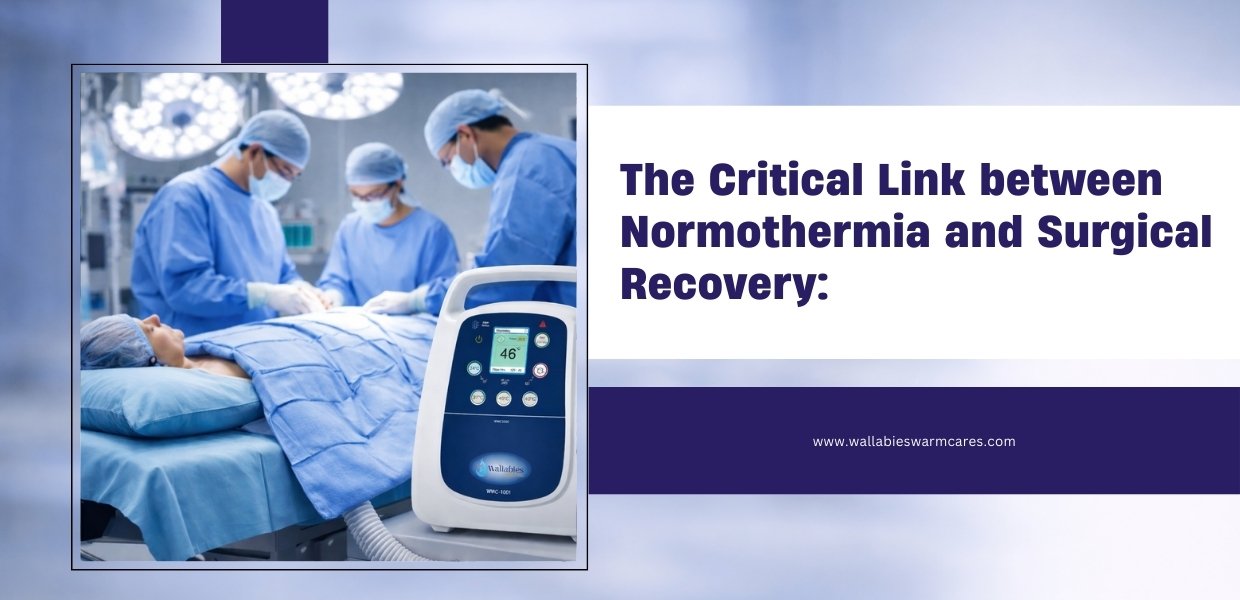
When we think of successful surgery, we often focus on the precision of the incision or the success of the procedure itself. However, there is a “silent” vital sign that can make or break a patient’s recovery: Normothermia.
Maintaining a core body temperature between 36.0°C and 37.5°C isn’t just about patient comfort—it is a clinical necessity that significantly reduces complications and speeds up the journey from the operating table to home.
The Hidden Danger: Inadvertent Perioperative Hypothermia
As soon as a patient enters the operating room, they are at risk. The combination of cold surgical environments, the administration of room-temperature IV fluids, and the effect of anesthesia—which inhibits the body’s natural ability to regulate temperature—leads to Inadvertent Perioperative Hypothermia.
Even mild hypothermia (a drop of just 1–2°C) can trigger a domino effect of complications:
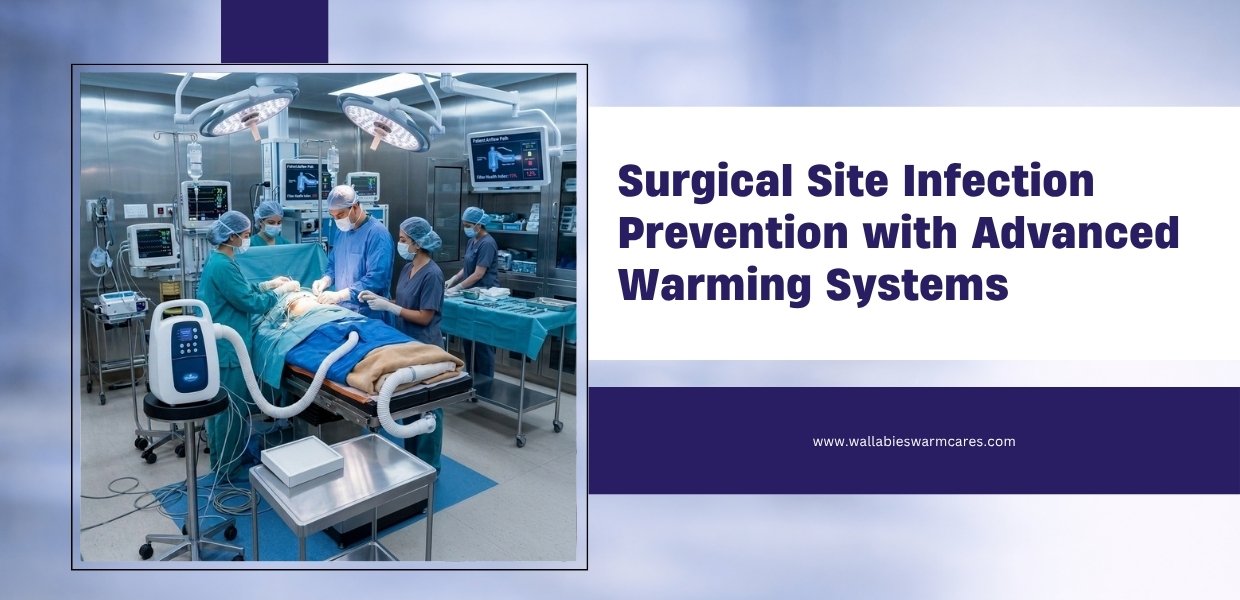
- Increased Infection Risk: Cold temperatures cause vasoconstriction, reducing oxygen delivery to tissues and weakening the immune response, making surgical site infections (SSIs) more likely.
- Surgical Bleeding: Hypothermia impairs blood clotting, leading to increased blood loss and a higher need for transfusions.
- Prolonged Recovery: It slows down drug metabolism, meaning patients take longer to wake up from anesthesia and spend more time in the PACU.
Why Normothermia is the “Critical Link” to Recovery
By utilizing advanced warming solutions like the Wallabies Warm Care System, hospitals can bridge the gap between surgery and a healthy discharge.
- Lower Infection Rates:
Clinical studies show that maintaining normothermia can reduce the risk of wound infections by up to 64%. When the body stays warm, blood flow remains optimal, allowing the body’s natural defenses to fight off bacteria at the surgical site.
- Cardiological Safety:
Hypothermia places immense stress on the heart. Keeping a patient warm prevents shivering—which can increase oxygen consumption by 400%—thereby protecting the patient from cardiac distress during the most vulnerable moments of surgery.
- Enhanced Patient Comfort & Satisfaction:
Patient satisfaction scores are directly tied to “Thermal Comfort.” Patients frequently rank the cold and shivering they experience in the OR or Recovery (PACU) as one of the most distressing parts of their surgery—sometimes more than the pain of the incision itself. By using active warming, you improve the patient’s psychological well-being and reduce preoperative anxiety.
The Wallabies Advantage: Innovation in Warming:
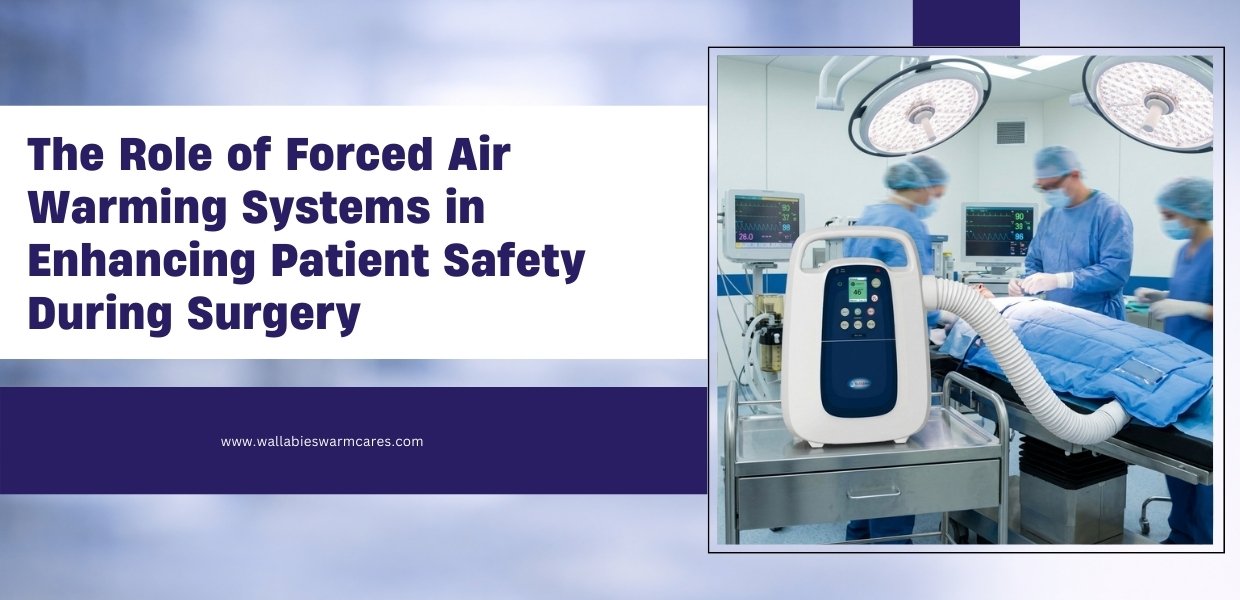
At Wallabies Warm Cares, we’ve engineered our WWC 1001 Forced Air Patient Warming Machine to be more than just a heater. It is a precision medical tool designed for:
- Advanced and Uniform Air Distribution: Our blankets feature a bottom layer of spun-bond breathable PE film with micropores. This design provides better air-permeability and ensures the delivery of uniform warming.
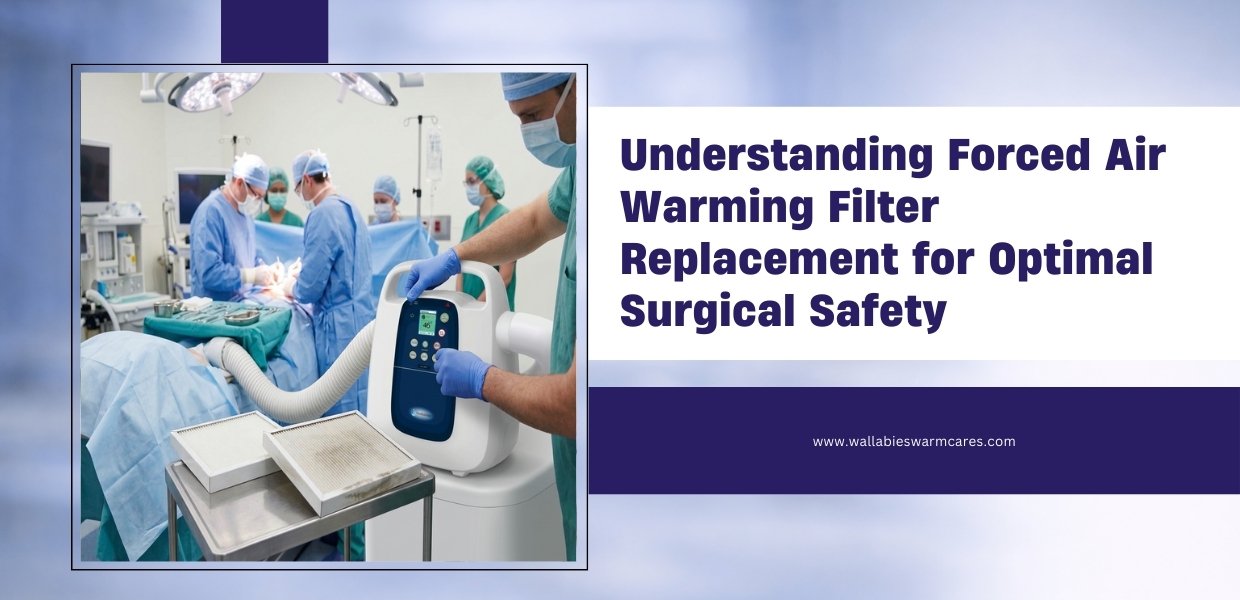
- Safety & Purity: The system utilizes a MERV 14 standard HEPA filter with a 0.2-micron rating. This ensures that the air used for warming is clean, further reducing the risk of infection.
- Precision Monitoring: Our WWC 1001 and 1002 units feature digital sensors in the hose and advanced microprocessor control to provide real-time, accurate temperature management.
Conclusion: Making Normothermia the Standard of Care:
The link between normothermia and recovery is undeniable. By prioritizing temperature management, surgical teams can improve outcomes, reduce hospital stays, and lower healthcare costs.
At Wallabies Warm Cares, our mission is to provide the technology that keeps patients safe and warm, ensuring that “recovery” starts the moment the surgery begins.